The Annual Dilemma: Is the iPhone 18 Pro Max Worth the Upgrade Over the 17 Pro Max?
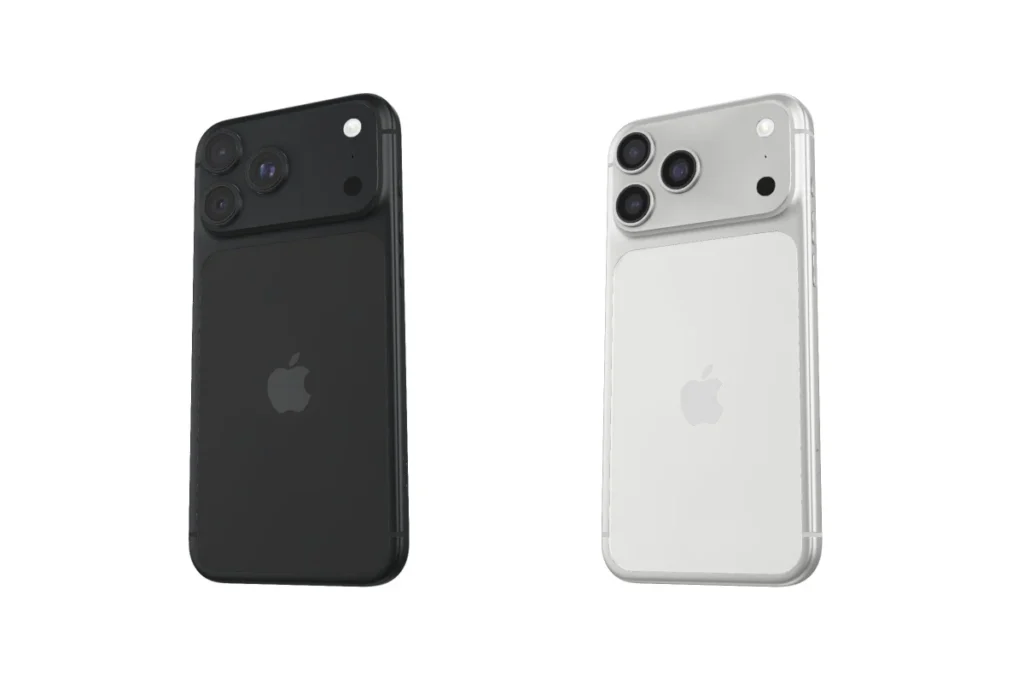
The arrival of a new iPhone Pro Max is a ritual that defines the smartphone industry. With the release of the Apple iPhone 18 Pro Max, the company has once again set the stage for its flagship battle: innovation versus iteration. As enthusiasts and professionals rush to weigh the benefits of the latest silicon and camera hardware against the proven reliability of the previous generation, a critical question emerges. Is the incremental jump to the 18 Pro Max justified, or does the iPhone 17 Pro Max still hold the crown for value-conscious power users?
Main Facts: The Core Advancements
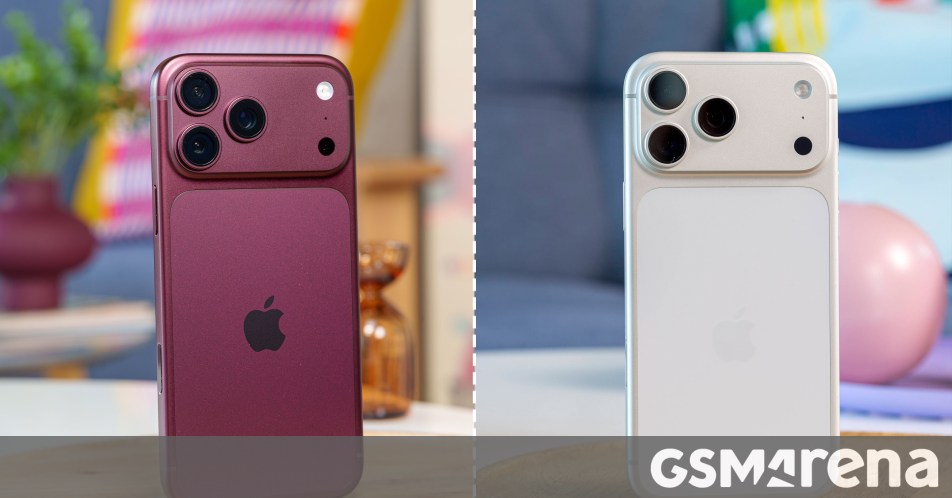
At first glance, the iPhone 18 Pro Max and its predecessor, the 17 Pro Max, appear to be cut from the same cloth. Both devices retain the iconic, robust design language that Apple has perfected over the last several years. Both feature an aluminum unibody construction, IP68 water and dust resistance (rated for 30 minutes at 6 meters), and the signature Ceramic Shield protection for both the front and rear glass.
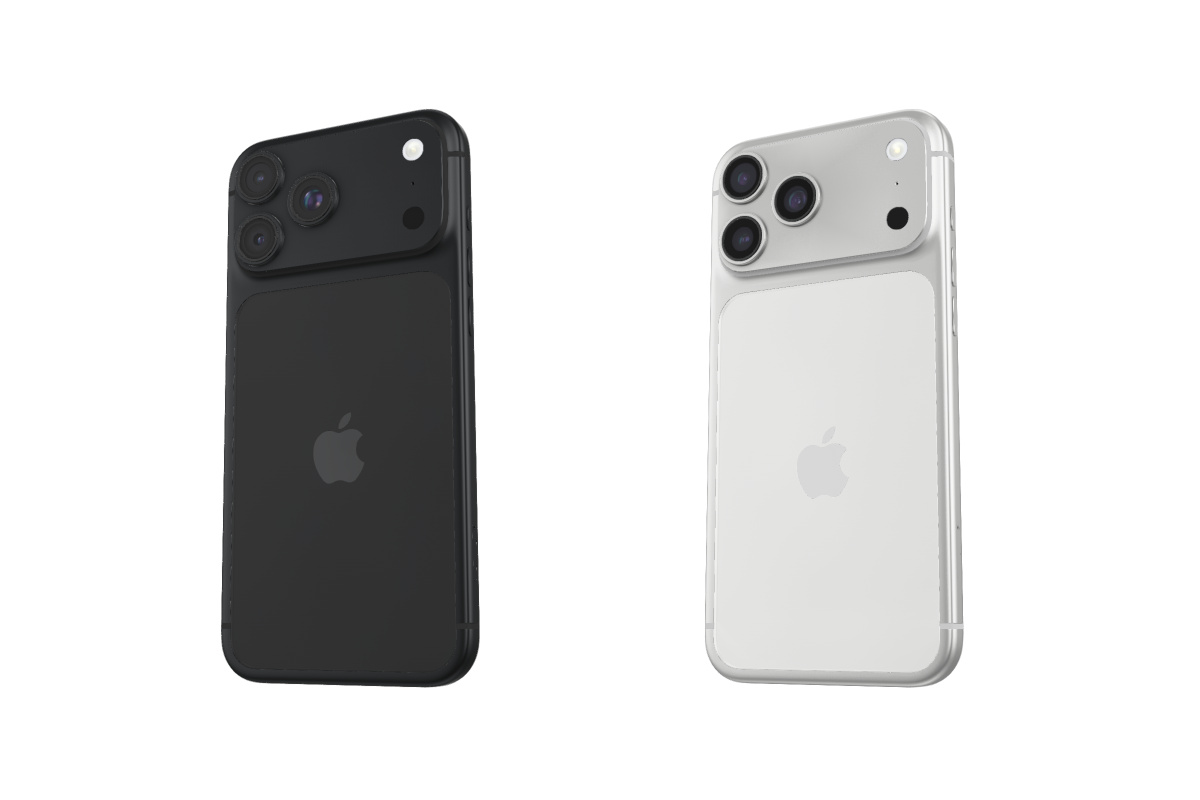
However, the 18 Pro Max arrives with a distinct internal evolution. The most visible aesthetic change is the Dynamic Island, which has been reduced by 35% compared to the 17 Pro Max. This reduction was achieved by relocating the infrared camera directly beneath the display, a testament to Apple’s ongoing pursuit of a truly "all-screen" experience. Beneath the surface, the 18 Pro Max carries a 5,391mAh battery—a significant jump over the 17 Pro Max—and incorporates a much larger vapor chamber cooling system. These hardware shifts contribute to a slightly heavier device, adding 15 grams to the total weight, a trade-off for improved thermal management and longevity.

Chronology of Development: From 17 to 18
The transition from the A19 Pro chip in the 17 Pro Max to the A20 Pro in the 18 Pro Max represents a leap in manufacturing technology. Moving from a 3nm process to a 2nm architecture, the A20 Pro brings more than just raw speed; it introduces a 96-bit memory bus that increases memory bandwidth by 50%.

While the 17 Pro Max introduced the groundwork for the current telephoto and selfie camera systems, the 18 Pro Max focuses on refining the primary shooter. The integration of a variable aperture lens (f/1.48 to f/4.0) on the 18 Pro Max marks a departure from the fixed f/1.78 aperture of the 17 Pro Max. This shift suggests a pivot toward providing professional-grade control to mobile photographers, allowing for more intentional depth-of-field manipulation that was previously limited to software-based portrait modes.

Supporting Data: Benchmarks and Performance
When put to the test, the performance gap between the two generations becomes quantifiable. The A20 Pro’s 6-core CPU—boasting "Super Cores" clocked at 4.93GHz—outpaces the A19 Pro by roughly 30% in synthetic CPU benchmarks. The GPU performance tells a similar story, with the 18 Pro Max delivering a 30% boost in graphical tasks.

Perhaps more impressive is the battery life optimization. Despite the more powerful processor, the 18 Pro Max achieves an Active Use Rating of 19:20 hours, compared to the 17:58 hours of the 17 Pro Max. This is largely attributed to the efficiency gains of the 2nm chip and the increased battery capacity. Charging speeds also see a marked improvement; the 18 Pro Max draws 53W of power, reaching a 50% charge in a mere 15 minutes, whereas the 17 Pro Max requires significantly more time to reach the same milestone.

Camera Performance Analysis
The camera comparison reveals a nuanced reality. In daylight, the 18 Pro Max produces images with slightly finer detail and a warmer color science. However, the much-touted variable aperture does not always result in a night-and-day difference in broad daylight. The most significant camera advantage for the 18 Pro Max is not found in the sensor itself, but in the new, deeper manual controls. Users can now adjust shutter speed and white balance alongside aperture in a native, albeit menu-driven, interface.

In low-light scenarios, the two phones perform with similar competence. While the 18 Pro Max’s f/1.48 aperture technically allows more light in, the 17 Pro Max remains remarkably capable. In video recording, both devices excel with 4K60 and Dolby Vision support, but the 18 Pro Max takes the lead with its ability to record in 4K60 via Cinematic mode, providing a smoother, more filmic output for creators.

Official Responses and Market Positioning
Apple continues to market the 18 Pro Max as the pinnacle of professional mobile technology, emphasizing its superior thermal performance, faster charging, and advanced manual camera controls as the primary selling points for content creators. Conversely, the company’s sustained pricing of the 17 Pro Max in the secondary and retail markets positions it as the "intelligent upgrade" for those who prioritize value over cutting-edge novelty.

There has been no official acknowledgment from Apple regarding the lack of a "dramatic" leap in image quality between the two models, but the industry consensus is that we have reached a point of diminishing returns in smartphone photography hardware. The focus has shifted from raw sensor improvements to computational photography and manual user control.

Implications for the Consumer
The implications of these findings are clear for different segments of the market:

For the Content Creator
If your workflow relies on mobile video, the 18 Pro Max is the superior tool. The combination of 4K60 Cinematic mode, expanded manual video controls, and significantly faster charging makes it a more reliable "workhorse" device. The increased thermal headroom provided by the new vapor chamber ensures that long-form recording or heavy post-processing won’t lead to thermal throttling.

For the Casual User
If you are coming from an older device (such as the 15 Pro Max or earlier), the 18 Pro Max is an exceptional leap forward. However, if you are currently using an iPhone 17 Pro Max, the differences are largely marginal. You are not losing out on core features like the 120Hz ProMotion display, the overall build quality, or the essential camera focal lengths. The 17 Pro Max remains a top-tier device that will continue to receive software updates and perform flawlessly for years to come.

The Value Proposition
The financial implications are equally important. With the 17 Pro Max available at a significantly lower price point, it represents one of the best value propositions in the current smartphone ecosystem. Consumers must ask themselves if the "smaller cutout" and 15-minute charging gains are worth the price premium of the 18 Pro Max. For most, the answer will be no.

Final Verdict
The Apple iPhone 18 Pro Max is undeniably the most powerful smartphone the company has ever produced. It refines the rough edges of the previous generation, offers a faster charging experience, and provides tools that will genuinely benefit professional photographers and videographers. It is a refinement of a masterpiece.

However, the iPhone 17 Pro Max has not been rendered obsolete. In fact, its longevity is a testament to the high bar Apple set the previous year. It remains a powerhouse that holds its own in almost every metric that matters to the average user.

In conclusion, the iPhone 18 Pro Max is for those who demand the absolute latest in silicon efficiency and granular camera control. For everyone else, the 17 Pro Max stands as a fantastic, budget-conscious alternative that proves that in the world of high-end smartphones, being a year behind the curve is no longer a disadvantage—it’s a smart investment.