The Architecture of Influence: A Proven Three-Part Funnel to Mastering LinkedIn
In the contemporary digital economy, LinkedIn has evolved from a static digital Rolodex into the primary battleground for B2B lead generation. Yet, many professionals remain trapped in a cycle of sporadic posting and inconsistent results, hindered by the "imposter syndrome" of the blank text box.
Will McTighe, a prominent LinkedIn strategist, posits that the secret to transforming this platform into a $2 million revenue engine lies not in creative genius, but in the rigorous application of a structured, funnel-based content strategy. By treating LinkedIn as a professional obligation rather than a casual hobby, creators can shift from merely "posting" to strategically engineering an audience of high-intent buyers.
The Foundation: Why Strategy Triggers Growth
The most significant barrier to entry on LinkedIn is the fear of negative feedback. However, data suggests that the platform’s algorithm acts as a natural filter; subpar content is rarely amplified, effectively shielding the creator from widespread embarrassment.
The transition from amateur to authority begins with a mental pivot: moving away from sporadic, hobbyist posting toward a systematic, data-driven approach. McTighe’s methodology—which has propelled his own ventures to significant annual revenues—is built on a three-stage funnel designed to move prospects from complete strangers to loyal clients.
The Three Stages of the Funnel
- Awareness: Capturing the attention of your target audience and converting them into followers.
- Trust: Demonstrating consistent value and expertise to bridge the gap between "follower" and "buyer."
- Lead Generation: Removing purchase friction by showcasing tangible results and social proof.
Stage 1: Awareness—Broadening the Top of the Funnel
Awareness is the engine of growth. To effectively scale a following, content must be categorized into two distinct buckets: Educational and Broadly Relatable.
Educational content is the superior converter. When you provide actionable insights—such as analyzing industry shifts or interpreting new AI tools—you establish yourself as a source of intelligence. The key is extreme niche specificity. Content regarding AI’s impact on cybersecurity will naturally underperform with a general marketing audience but will thrive with a Chief Information Security Officer (CISO) demographic.

Broadly relatable content (e.g., universal themes like burnout) serves a different purpose. While it garners high engagement—likes and impressions—it often fails to convert casual observers into followers because it lacks a clear "expert" signal. To maximize conversion, frame relatable struggles through the lens of your specific target audience. Instead of "managing burnout," discuss the specific pressures of "CISO burnout" to attract the exact demographic you intend to serve.
Technical Best Practices for Reach
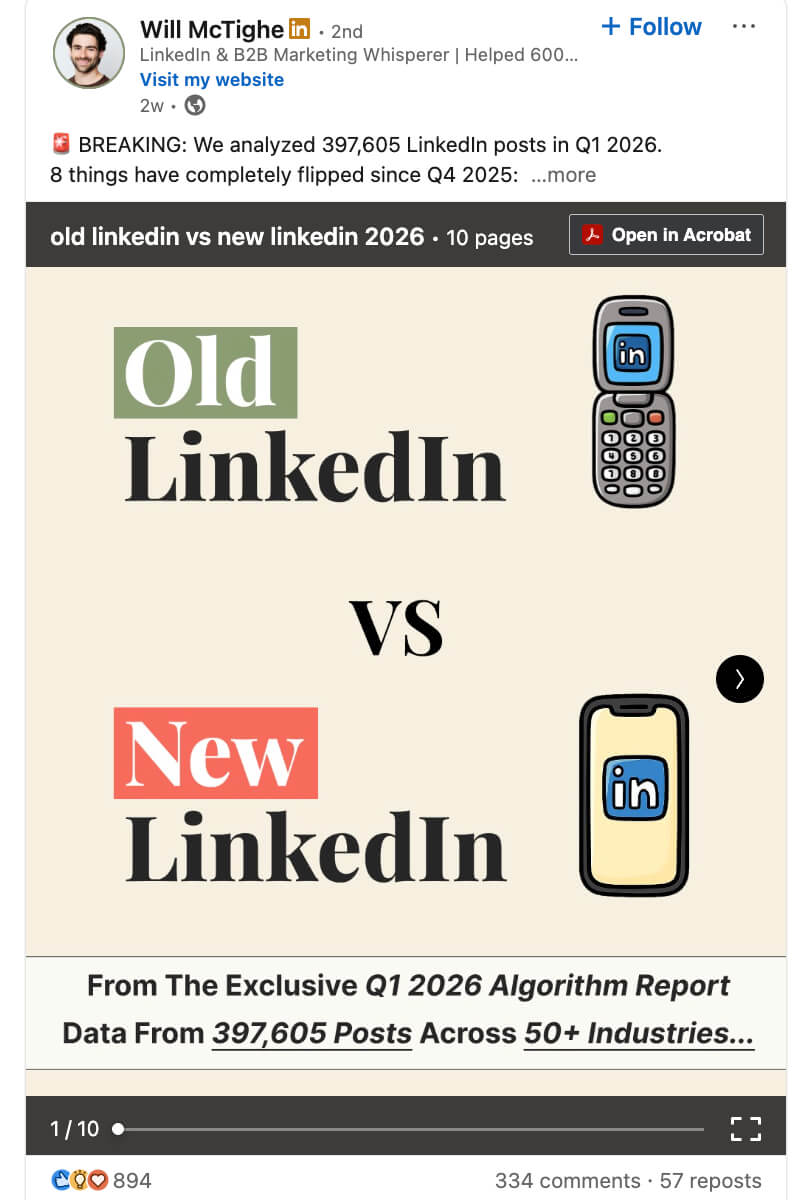
Research indicates that infographics and carousels remain the most potent formats for organic reach. Text-only posts, while useful, consistently underperform. When incorporating imagery into text-heavy posts, creators must ensure the visual aligns with the opening hook. A cognitive disconnect between the first two lines of text and the accompanying image results in high bounce rates as users scroll past.
Stage 2: Trust—Converting Followers into Prospects
Once a user follows you, the "why buy from me?" phase begins. Trust-building is not about confession; it is about utility. A common failure in this stage is the "pain dump"—sharing a difficult personal story without a takeaway.
Effective trust-building content follows a strict Story → Lesson → Application framework. The story is merely the vessel; the lesson is the commodity. Whether using an Authoritative Hook (leading with credentials) or a Personal/Emotive Hook (leading with a relatable human experience), the reader must walk away with a clear, actionable insight.
The Power of Multimedia in Trust
While static images are excellent for awareness, video creates a unique, high-fidelity sense of familiarity. Although video often generates fewer views than carousel posts, its ability to build rapport is unmatched. When a prospect eventually jumps on a sales call, they often cite the creator’s videos as the reason for their comfort, proving that video "familiarity" is a critical catalyst for the final sale.
Pro-tip for Content Mining: Leverage AI tools like Claude or ChatGPT to analyze transcripts of your previous client calls. AI can extract the exact stories or insights that resonated with clients in real-time, providing you with a goldmine of pre-validated content that you may have otherwise forgotten.

Stage 3: Lead Generation—De-risking the Purchase
The final stage of the funnel addresses the buyer’s primary anxiety: risk. Lead generation content must demonstrate that individuals with the prospect’s specific problems have achieved the desired outcome through your methods.
Generic testimonials are insufficient. The most effective format is the Transformation Case Study. These posts should follow a predictable, high-impact arc:
- The Hook: A dramatic outcome achieved in a specific timeframe (e.g., "How a client gained 10,000 followers in seven days").
- The Conflict: The starting point, articulated in a way that allows the reader to say, "That is exactly where I am right now."
- The Resolution: The process of working together, with the client positioned as the hero of the story.
When presenting evidence, "raw" content often outperforms "polished" content. Screenshots of text messages or unedited video clips are perceived as more authentic than professionally produced assets, effectively reducing the prospect’s skepticism.
Supporting Data: The 4-2-1 Ratio
Consistency is the ultimate competitive advantage. To maintain a healthy pipeline, McTighe recommends a weekly posting cadence following a 4-2-1 ratio:
- 4 Awareness Posts: Designed to capture new eyeballs.
- 2 Trust-Building Posts: Designed to solidify your authority and deepen relationships.
- 1 Lead Generation Post: Designed to drive action and conversions.
This ratio acts as a sustainable baseline for most professionals. During product launches or high-stakes events, creators may deviate, but the 4-2-1 balance ensures that the audience remains nurtured without being overwhelmed by sales pitches.
Implications for Modern B2B Marketing
The transition to a funnel-based LinkedIn strategy marks a departure from the "post and pray" methodology that defined the early days of social media. For the modern professional, this approach implies several critical shifts:
- Platform Utility: Viewing LinkedIn as a CRM and marketing channel rather than a digital resume.
- Operational Rigor: Using tracking tools (like simple Google Sheets) to monitor which themes and formats resonate, allowing for constant iteration.
- Client-Centricity: Realizing that the creator is not the protagonist of the brand story—the client is.
Official Guidance and Conclusion
For those just beginning, the message is clear: do not wait for the perfect strategy. The "trial-and-error" phase is a prerequisite for success. By mapping your audience’s pains and desires, and systematically cycling through the Awareness, Trust, and Lead Generation phases, you can transform your LinkedIn presence from a neglected asset into a consistent, predictable source of revenue.
As you embark on this framework, remember that the most successful LinkedIn creators are those who treat their content as a long-term business investment. By focusing on the transformation of the reader rather than the ego of the writer, you ensure that your content not only reaches your ideal prospects but actively moves them toward a partnership.