The Cinematic Evolution: Honor’s ‘Robot Phone’ Prepares for Global Debut Amidst Major Brand Rebranding
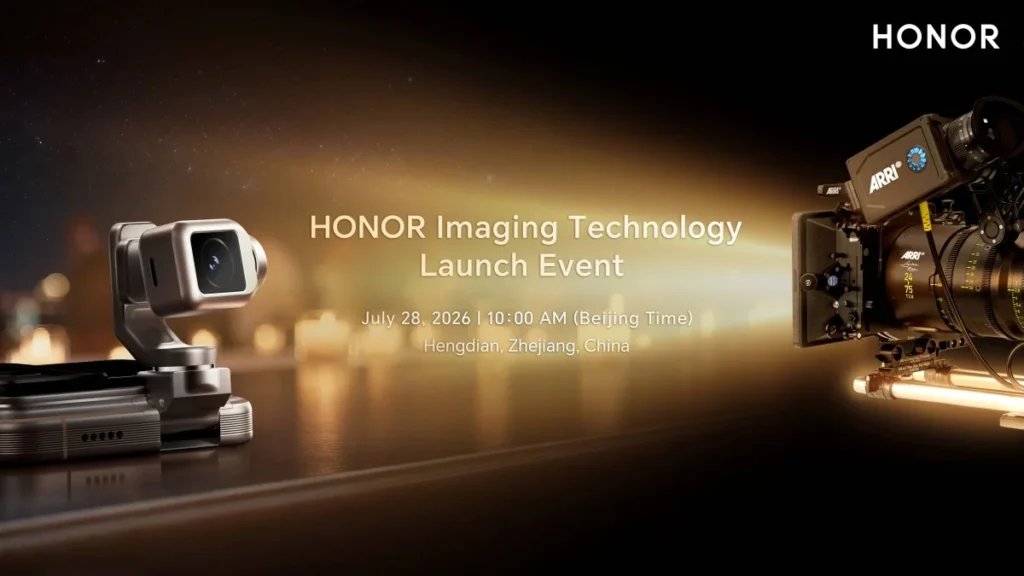
The smartphone industry is on the cusp of a significant shift in mobile cinematography. Honor, the technology powerhouse, has officially signaled that its highly anticipated "Robot Phone"—a device that has spent months generating buzz through high-profile, real-world appearances—is finally stepping out of the shadows. With an "Imaging Technology Launch Event" scheduled for Tuesday, July 28, the company is positioning this device not merely as a smartphone, but as a professional-grade tool capable of a "full-stack cinematic workflow."
This launch marks a pivotal moment for Honor, coinciding with a comprehensive corporate rebranding that includes a new logo and a bold, forward-looking tagline: "Dare To Be." As the tech community waits for the final specifications, the narrative surrounding the Robot Phone has shifted from mere speculation to a calculated demonstration of industrial strength.
The Main Facts: A Convergence of Optics and Mobility
The core of the upcoming announcement centers on the partnership between Honor and Arri, the legendary German manufacturer of professional motion-picture film equipment. This collaboration is the bedrock of the Robot Phone’s value proposition. By integrating Arri’s cinematic expertise into a mobile form factor, Honor is aiming to bridge the gap between amateur mobile videography and professional film production.
The "full-stack cinematic workflow" mentioned in Honor’s teaser implies that the device will offer more than just high-resolution sensors or standard video modes. It suggests a comprehensive system that includes end-to-end support for color grading, high-dynamic-range (HDR) capture, advanced stabilization, and perhaps even proprietary compression formats that align with professional editing suites.
While the device has been colloquially dubbed the "Robot Phone" due to its distinctive, mechanical-inspired design and sophisticated camera housing, it remains the most mysterious flagship in the current market. Despite being teased for months, Honor has maintained a tight lid on technical specifications, leaving analysts to parse through its public appearances for clues.
Chronology: A Calculated Path to Market
The journey of the Honor Robot Phone is a masterclass in modern product teasing, relying on "guerrilla marketing" rather than traditional press releases.
The Initial Tease
The device first made waves months ago when it was unveiled at a major industry trade show. Its design, which deviates sharply from the monolithic, glass-slab aesthetic of current flagships, immediately caught the attention of enthusiasts. Its modular-looking rear camera housing suggested an internal complexity that hinted at a focus on imaging optics rather than raw processing power.
The Film Festival Circuit
In an effort to prove the device’s pedigree, Honor took the prototype to the Shanghai International Film Festival. By placing the phone in the hands of professional cinematographers and directors, Honor sought to validate the device’s imaging capabilities in a real-world, high-pressure creative environment. This was not a test of consumer photography, but a test of professional utility.
The Global Stage: FIFA World Cup 2026
The most significant exposure occurred during the FIFA World Cup 2026 final. The appearance of the device in such a global, high-stakes venue served a dual purpose: it demonstrated the phone’s ability to capture high-speed, dynamic action and cemented Honor’s status as a brand that competes at the highest level of global spectacle. It was a clear signal that the Robot Phone is designed for those who document history.
The July 28 Pivot
Now, the "Imaging Technology Launch Event" represents the transition from prototype to commercial reality. By aligning this event with their brand refresh, Honor is signaling that the Robot Phone is the definitive vessel for their new corporate identity.
Supporting Data: The Arri Factor and Imaging Trends
To understand why this partnership is critical, one must look at the influence of Arri in the film industry. Arri cameras, such as the Alexa series, are the industry standard for Hollywood productions. They are prized for their "color science"—the way they interpret skin tones and light—and their dynamic range.
If Honor has successfully integrated even a fraction of Arri’s image processing logic into a mobile chipset, the Robot Phone could disrupt the mobile market in the same way that Leica’s partnership with Huawei did nearly a decade ago.
The Market Context
Currently, the mobile imaging market is dominated by software-driven computational photography—using AI to "guess" how a photo should look. Honor’s approach appears to be leaning toward hardware-led cinematic integrity. The collaboration suggests that the Robot Phone will prioritize:
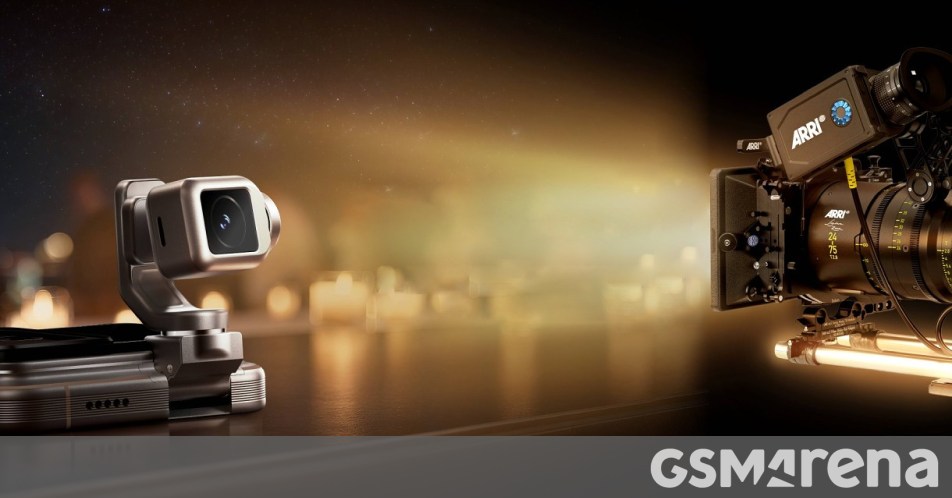
- Sensor Size: A likely departure from standard mobile sensor sizes to accommodate larger optical elements.
- Optics: Custom glass elements developed in tandem with professional optical standards.
- Workflow Integration: Direct compatibility with professional editing software, potentially allowing for log-profile recording that offers editors greater flexibility in post-production.
Official Responses and Corporate Evolution
The July 28 event is not just about a phone; it is about the transformation of the Honor brand. Accompanying the product announcement is the introduction of a new logo—a minimalist, split-ring design—and a new brand philosophy, "Dare To Be."
A New Identity
The split-ring logo is intended to represent the interconnectedness of technology and human experience. According to Honor’s internal communications, the logo symbolizes a bridge between the physical and digital worlds, a theme that mirrors the Robot Phone’s intent to bring cinematic quality into the pockets of everyday users.
The "Dare To Be" Philosophy
The tagline "Dare To Be" serves as a rallying cry for the company’s new direction. By shifting away from the traditional, tech-centric language of "specs and benchmarks," Honor is attempting to cultivate an emotional connection with its user base. They are positioning themselves as a brand for creators, visionaries, and those who refuse to be limited by the traditional constraints of mobile technology.
In a recent statement, an Honor spokesperson noted: "Our new brand identity reflects our commitment to innovation that transcends the hardware. We are not just building phones; we are building tools that allow our users to redefine the boundaries of their creativity. The Robot Phone is the first manifestation of this new era."
Implications for the Smartphone Industry
The arrival of the Honor Robot Phone has several far-reaching implications for the mobile industry.
1. The Death of the "Megapixel War"
For years, manufacturers have competed on raw megapixel counts. If Honor’s collaboration with Arri succeeds in making image quality (dynamic range, color accuracy, and cinematic depth) the primary differentiator, it may force the rest of the industry to pivot away from the megapixel race and toward the more meaningful metrics of cinematography.
2. The Professionalization of Mobile Content
As social media platforms continue to prioritize short-form video, the demand for professional-grade mobile production tools is at an all-time high. The Robot Phone could become the standard-bearer for a new class of "pro-sumer" devices that render dedicated mid-tier cameras obsolete.
3. Supply Chain and Hardware Challenges
The "Robot" moniker and the complex design suggest that this phone may be expensive to produce. If Honor manages to bring this device to market at a competitive price point, it will pose a massive challenge to established players like Apple and Samsung, who have historically relied on their existing ecosystems to retain customers.
4. The Future of Brand Identity
Honor’s decision to refresh its logo and tagline simultaneously with a flagship launch is a calculated risk. It forces the market to associate the new identity with the most innovative product in their lineup. If the phone lives up to the hype, the new logo will instantly become a symbol of high-end, professional performance. If it falters, the brand refresh could be overshadowed by the product’s failure.
Conclusion: The Road to July 28
As the countdown to the July 28 event begins, the technology world is watching closely. The Honor Robot Phone represents a rare instance where the hype has been sustained through a series of high-visibility, real-world demonstrations rather than leaked renders or abstract marketing promises.
By leveraging the prestige of Arri and committing to a fundamental shift in how mobile devices handle video, Honor is positioning itself as a disruptor. The "full-stack cinematic workflow" is an ambitious promise, but given the company’s recent trajectory, it is one that the industry is taking seriously.
Whether the Robot Phone succeeds as a commercial product remains to be seen, but its impact on the industry’s trajectory is already evident. It has shifted the conversation from "How many cameras can we fit on the back of a phone?" to "How can we make a phone capture the soul of a film?"
On July 28, the "Dare To Be" era begins, and the world will finally see if the Robot Phone can deliver on its cinematic potential. The industry is waiting, and for once, the wait seems fully justified.