The Electric SUV Showdown: 2026 Citroen eC3X vs. Tata Punch EV – A Comprehensive Comparison
By Saurav Suman
Updated: June 17, 2026
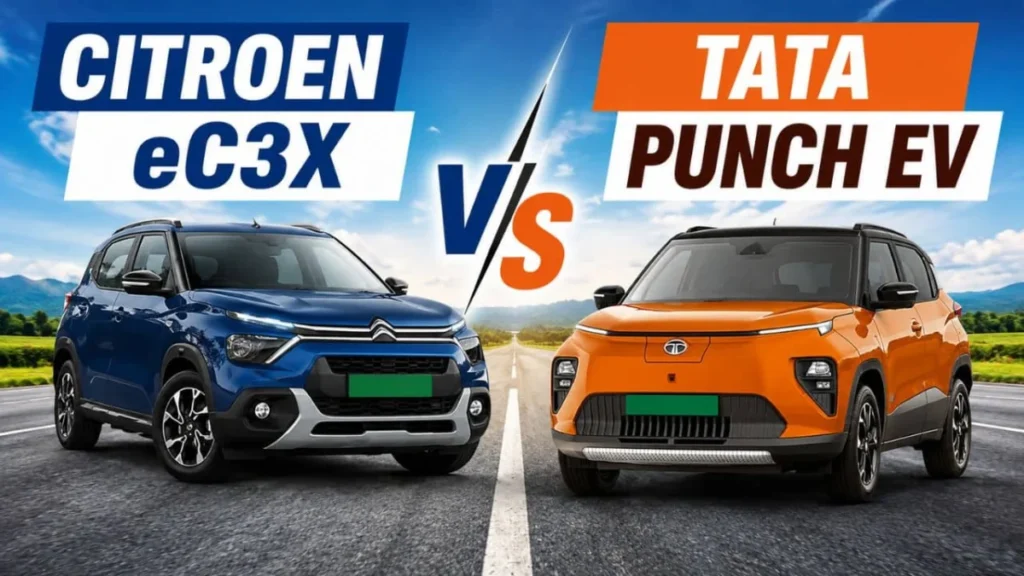
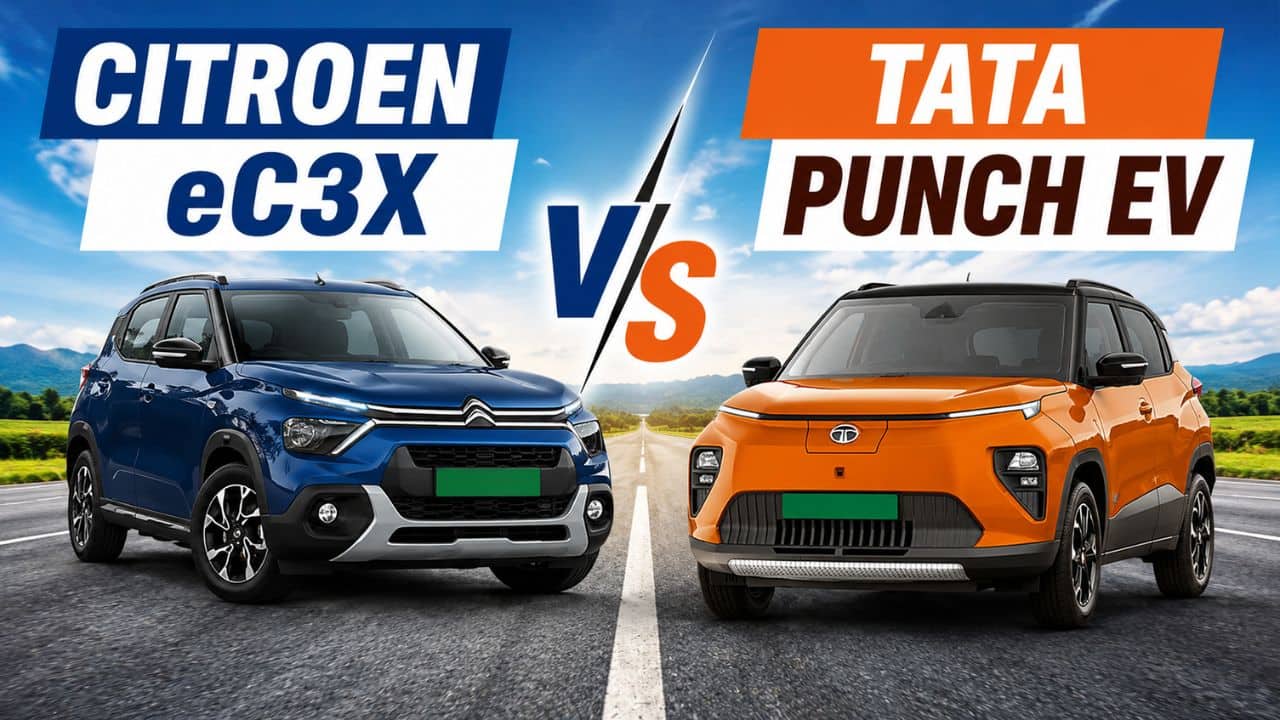
The Indian electric vehicle (EV) market has hit a pivotal juncture in mid-2026. As consumers increasingly pivot toward sustainable mobility, the sub-compact SUV segment has emerged as the primary battlefield for automakers. With the launch of the 2026 Citroen eC3X, the French manufacturer has fired a bold shot across the bow of the segment leader, the Tata Punch EV. This head-to-head comparison explores the critical nuances between these two contenders, evaluating their pricing strategies, technical prowess, and market positioning.
Main Facts: A New Competitive Landscape
The automotive landscape witnessed a significant disruption on June 17, 2026, with the official announcement of the Citroen eC3X pricing. Citroen has adopted an aggressive "value-first" strategy, launching the eC3X at a starting price of Rs 10.25 lakh (ex-showroom). Notably, this represents a significant Rs 1.74 lakh reduction compared to its predecessor, signaling Citroen’s intent to capture a larger slice of the mass-market EV pie.
The eC3X is available in three distinct trims: Live, Live (O), and Shine. This tiered structure is designed to cater to a wide spectrum of buyers, from cost-conscious fleet operators to feature-seeking private owners.
In contrast, the Tata Punch EV—the established benchmark in this segment—holds a lower entry price point, starting at Rs 9.69 lakh (ex-showroom). While the Punch EV enjoys the "first-mover" advantage and the widespread service network of Tata Motors, the eC3X’s price adjustment narrows the gap significantly, turning a battle of brand loyalty into a cold, calculated comparison of features and performance.
Chronology: The Evolution of the Sub-Compact EV
The journey to this showdown did not happen overnight. The rise of the sub-compact electric SUV in India can be traced back to a series of strategic maneuvers by both Tata and Stellantis-backed Citroen.
- Early 2024: Tata Motors consolidates its dominance in the EV space with the successful rollout of the Punch EV, leveraging its Acti.ev platform. The vehicle sets a high bar for range, safety, and tech-integration.
- Late 2024 – Mid 2025: Citroen struggles to gain significant traction with its initial EV offerings, hampered by a perceived lack of high-end features and a sparse service network.
- January 2026: Reports emerge of Citroen re-evaluating its product roadmap, with internal memos suggesting a major price correction and feature overhaul for the upcoming eC3X model.
- April 2026: Spy shots of the 2026 eC3X circulate, revealing a more modern aesthetic and improved interior quality, fueling speculation about a competitive pricing strategy.
- June 17, 2026: The official launch of the 2026 Citroen eC3X marks a new chapter. The aggressive pricing announcement confirms that Citroen is no longer content with a niche market share.
Supporting Data: Technical Specifications and Performance
When choosing between the Citroen eC3X and the Tata Punch EV, prospective buyers must look beyond the sticker price. Performance metrics and range anxiety remain the two most critical factors in the Indian EV context.
Battery and Range
The Tata Punch EV is known for its dual-battery options (25 kWh and 35 kWh), providing a versatile range between 315 km and 421 km (ARAI certified). It has been praised for its thermal management system, which holds up well in India’s extreme temperatures.
The 2026 Citroen eC3X, meanwhile, has focused its efforts on optimizing the powertrain efficiency of its updated platform. While specific real-world range figures are currently being validated, early data suggests a competitive edge in city driving efficiency, thanks to a revised regenerative braking system and a more lightweight chassis architecture.
Features and Tech
The Tata Punch EV is a feature-rich machine, offering ventilated seats, a 360-degree camera, and a large infotainment system that integrates seamlessly with Android Auto and Apple CarPlay. Tata’s "iRA" connected car technology is considered among the most reliable in the industry.
Citroen has responded by upgrading the Shine trim of the eC3X. The new model includes a more responsive touchscreen, improved cabin insulation, and a refined digital instrument cluster. While Tata may still lead in "creature comforts," Citroen is banking on a superior "ride quality," a hallmark of French engineering that the company claims will make the eC3X the most comfortable EV in its price bracket.
Official Responses and Strategic Outlook
Representatives from both companies have offered contrasting perspectives on the current market state.
The Citroen Strategy:
A spokesperson for Citroen India noted, "The 2026 eC3X is a response to the evolving needs of the Indian consumer. By optimizing our manufacturing costs and localizing components, we have managed to deliver a product that is not just competitive in price, but superior in driving dynamics. The price correction is a testament to our long-term commitment to the Indian market."
The Tata Perspective:
Tata Motors has remained unfazed by the aggressive pricing of competitors. "We welcome competition as it validates the growth of the EV ecosystem," said a senior official from Tata Passenger Electric Mobility. "Our focus remains on the ‘Acti.ev’ platform’s safety, our established service infrastructure, and the trust that millions of Indian families have placed in the Punch brand. We are not just selling a car; we are providing an entire electric mobility solution."
Implications for the Indian EV Market
The rivalry between the Citroen eC3X and the Tata Punch EV is a microcosm of the broader shift in the Indian automotive industry. Several key implications arise from this competition:
1. The Death of the "Premium" EV Myth
For years, EVs were considered "premium" purchases reserved for the affluent. With the eC3X dipping into the Rs 10 lakh bracket, the threshold for EV entry is effectively being lowered. This will likely pressure other manufacturers to reconsider their pricing strategies, potentially leading to a price war that benefits the consumer.
2. Infrastructure and Service
While pricing is a headline-grabber, the true winner will be the company that best manages its after-sales service. Tata’s advantage in charging station density is significant. Citroen, by comparison, must prove that its smaller service footprint can handle the increased volume that a competitive price point is bound to generate.
3. The Shift to "Value-Engineered" EVs
Both companies are moving away from imported tech to locally sourced components. This localization is the only way to achieve the aggressive price points seen today. The success of the 2026 eC3X will likely encourage further investment in domestic battery manufacturing, a critical goal for the Indian government under the FAME and PLI schemes.
Conclusion: Which Should You Choose?
The decision between the 2026 Citroen eC3X and the Tata Punch EV is no longer a simple matter of choosing the cheaper car. It is a choice between two distinct philosophies.
Choose the Tata Punch EV if:
- You prioritize a comprehensive service network and high resale value.
- You want a car packed with premium electronic features like a 360-degree camera and advanced connectivity.
- You desire a proven, battle-tested platform with a long history of reliability in diverse Indian road conditions.
Choose the 2026 Citroen eC3X if:
- You value ride comfort and handling above all else.
- You are looking for a unique, European-designed aesthetic that stands out in a crowded market.
- You want a modern, efficient EV at a price point that offers significant value for money without sacrificing build quality.
As we move further into 2026, the battle for the sub-compact electric SUV segment will only intensify. For the consumer, this is a golden era. Whether you side with the established powerhouse or the ambitious challenger, the transition to electric mobility has never been more accessible or more exciting.
Disclaimer: Prices and features mentioned are subject to change based on local taxes, dealership policies, and regional availability. It is recommended to visit the official websites of both manufacturers for the most up-to-date information before making a purchase decision.