The Trump Mobile T1 Phone: A Deep Dive into the Most Controversial Hardware Release of the Year
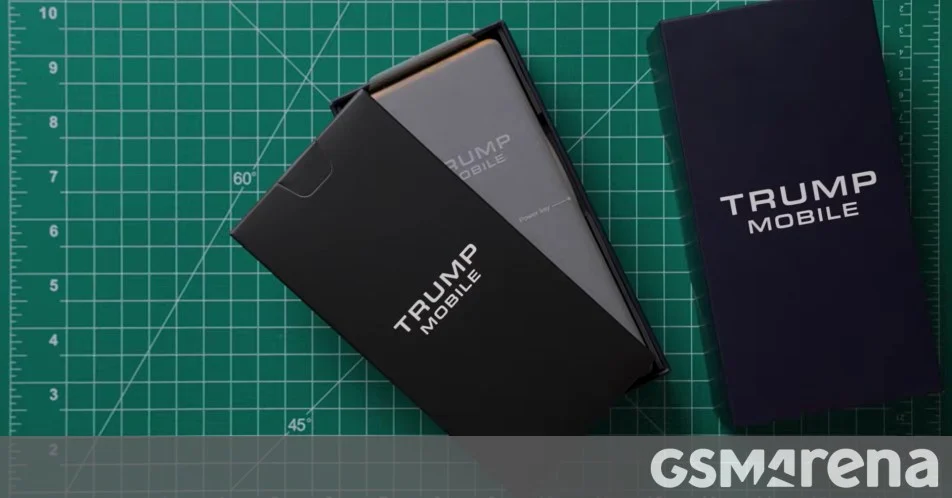
In the rapidly evolving landscape of consumer electronics, few product launches have generated as much digital noise—and genuine confusion—as the arrival of the Trump Mobile T1 Phone. Recently, tech enthusiast and YouTuber Quinn Nelson of Snazzy Labs became one of the first independent reviewers to acquire the device, offering a candid, exhaustive, and often humorous look at what lies beneath the branding. What began as a curiosity regarding a politically branded smartphone quickly devolved into a masterclass in the logistical, software, and hardware challenges that plague niche, non-traditional device manufacturers.
Main Facts: What is the T1?
At its core, the Trump Mobile T1 Phone is not a ground-up innovation in mobile engineering. As previous teardowns and industry reports suggested, the device is essentially a rebranded, cosmetically modified HTC U24 Pro—a mid-range handset originally released in 2024.
While the aesthetic exterior bears the marks of its specific branding, the internal architecture remains largely familiar to those acquainted with HTC’s recent hardware. The device features a 6.8-inch OLED display with a 120Hz refresh rate and a resolution of 1,080 x 2,346 pixels. Powering the experience is the Qualcomm Snapdragon 7 Gen 3 chipset, a reliable mid-range workhorse. The T1 comes configured with 12GB of RAM and 512GB of internal storage, a respectable offering for a device priced around the $500 mark.
One of the most notable technical deviations from the base HTC U24 Pro model is the battery. While the original HTC handset utilizes a 4,600mAh battery capable of 60W rapid charging, the T1 incorporates a larger 5,000mAh battery, though it is limited to 30W charging speeds. Other functional inclusions, such as a 3.5mm headphone jack, a microSD card slot, and a front-facing notification LED, provide a nostalgic touch for users who prioritize legacy hardware features.
Chronology: A Reviewer’s Odyssey
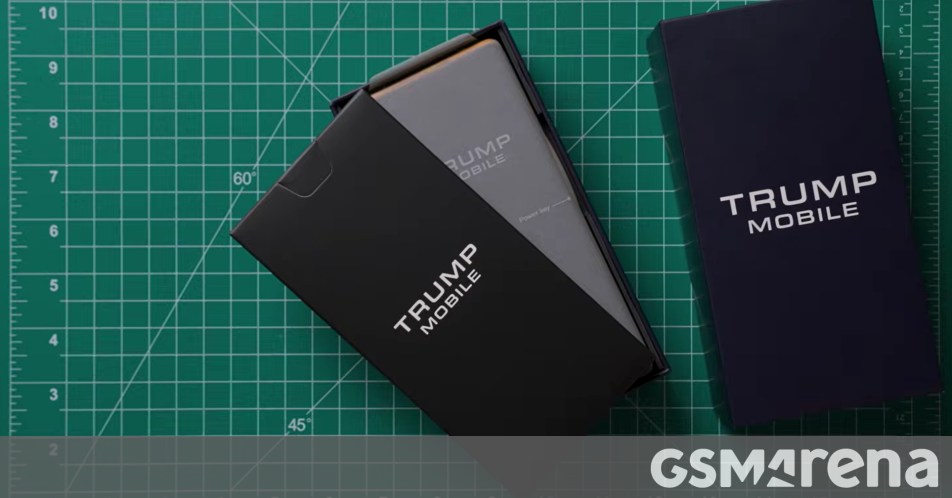
The experience of acquiring the T1 proved to be a saga in itself, as documented by Quinn Nelson. The review, which serves as both an unboxing and a critical post-mortem, begins with a two-minute breakdown of the fundamental struggles faced by the Trump Mobile team in simply communicating with customers. Nelson notes that the company’s automated emails were consistently flagged as spam by providers like Gmail, creating an immediate barrier to the user experience.
The friction continued into the payment process. Nelson dedicated four minutes of his video to the labyrinthine purchasing system, which requires users to subscribe to a specific "47 Plan" to secure the device. This gatekeeping measure, coupled with the difficulty of navigating the transactional interface, paints a picture of a company struggling to master the basics of modern e-commerce.
Following the procurement phase, the review shifts to the hardware analysis. After confirming the device’s lineage as an HTC product, Nelson evaluates the daily usability of the unit. He notes significant issues, including a non-functional optical fingerprint reader—which may be a hardware defect specific to his unit—and erratic behavior within Google Messages. These software inconsistencies suggest that the custom software layer, or the lack of proper optimization, leaves much to be desired for the average consumer.
Supporting Data: Specifications and Performance
To understand where the T1 fits in the current market, it is helpful to look at its hardware specs in comparison to its contemporaries.
| Feature | Specification |
|---|---|
| Display | 6.8" OLED, 120Hz, 1,080 x 2,346px |
| Processor | Qualcomm Snapdragon 7 Gen 3 |
| RAM | 12GB |
| Storage | 512GB (Expandable) |
| Battery | 5,000mAh |
| Charging | 30W Wired |
| Extras | 3.5mm Jack, Notification LED |
For a $500 handset, the specifications are objectively solid. In an era where many manufacturers are skimping on base storage or removing utility ports, the T1 provides a generous 512GB of storage and the convenience of a headphone jack. However, the "RAMpocalypse"—the industry-wide trend of inflating RAM requirements—makes the 12GB of memory a welcome inclusion that keeps the device feeling snappy during multitasking, provided the software layer remains stable.
The contrast between the 30W charging of the T1 and the 60W capacity of the original HTC U24 Pro is a point of contention. While the battery capacity is larger, the slower charging speeds might be a deterrent for power users who rely on the rapid-charge capabilities inherent in modern mid-range hardware.
Official Responses and Transparency
One of the most pressing questions surrounding the Trump Mobile T1 is the nature of its data privacy and security. Given the political branding and the unconventional distribution model, users are naturally concerned about whether the device is designed to "spy" on its owners or collect telemetry data that exceeds standard industry practices.
To date, the company has maintained a relatively low profile regarding the specific software modifications made to the Android base. While the Snazzy Labs review provides a technical look at the device’s performance, the definitive answer regarding privacy requires a deep, packet-level analysis of the device’s outbound traffic. Nelson’s review hints at the complexity of this investigation, teasing the findings of his security analysis in the final segments of his video.
The lack of an official white paper or a transparent technical FAQ from the Trump Mobile team has left a void, which is currently being filled by independent tech creators. This absence of formal communication serves to heighten the skepticism surrounding the product’s origins and its long-term software support.
Implications: The Future of Niche-Branded Hardware
The launch of the Trump Mobile T1 carries broader implications for the smartphone industry. It highlights the growing trend of "re-badging" where companies with high brand recognition but no manufacturing infrastructure partner with established OEMs (like HTC) to white-label existing technology.
The Challenges of Re-Branding
When a company takes an existing product and overlays its own branding, it assumes the responsibility of the entire software ecosystem. As seen with the T1, if that software is not properly maintained, the user experience suffers. The "buggy" nature of Google Messages and the broken fingerprint sensor on the review unit suggest that the software optimization process was either rushed or poorly managed.
The Marketing vs. Utility Divide
The T1 is a case study in the tension between political or ideological marketing and utility. For the average consumer, a smartphone is a tool. When the barrier to entry (the purchasing process) and the barrier to utility (the software bugs) become too high, the brand loyalty that the phone is meant to foster may be replaced by frustration.
What This Means for Consumers
If you are considering the Trump Mobile T1, it is essential to look past the branding and evaluate the hardware on its merits. At $500, it competes with devices from manufacturers like Google (the Pixel ‘a’ series) and Samsung (the Galaxy A series). These established players offer consistent software updates, reliable security patches, and optimized hardware-software integration.
The T1, while capable in terms of raw specifications, represents a significant risk. Without a proven track record of long-term support or a transparent stance on privacy, the device remains an outlier. For enthusiasts, it is a fascinating piece of tech history and a testament to the complexities of modern manufacturing. For the average user, however, it serves as a cautionary tale: a phone is more than just a list of specs on a website; it is an ecosystem that requires professional oversight to function correctly.
Ultimately, whether the Trump Mobile T1 becomes a collector’s item or a forgotten footnote in the history of smartphones depends on the company’s willingness to provide the support and transparency that users demand. Until then, prospective buyers are encouraged to watch the full analysis provided by reviewers like Quinn Nelson to understand exactly what they are—and aren’t—paying for.