The Evolution of Instagram Marketing: A Strategic Deep Dive into New Conversion and Branding Tools
In a digital landscape where attention is the primary currency, Instagram is undergoing a significant transformation. Long criticized for its "walled garden" approach to outbound traffic—symbolized by the ubiquitous "link in bio" phrase—the platform is finally introducing features that bridge the gap between social engagement and direct conversion. From clickable caption links to sophisticated grid customization and advanced native video editing, these updates represent a pivotal shift in how brands and creators interact with their audiences.
This report analyzes the latest suite of Instagram tools, drawing on insights from industry expert Chelsea Peitz, to provide a comprehensive guide for marketers looking to optimize their presence in 2024 and beyond.
I. Main Facts: The Four Pillars of the Instagram Update
The current wave of updates focuses on four distinct areas of the user experience: traffic generation, profile optimization, brand identity, and content production.
- Clickable Caption Links: Meta is currently testing the ability for users to include active, clickable hyperlinks directly within post captions. This feature is currently restricted to Meta Verified subscribers using Creator or Publisher account types.
- Grid Customization and Thumbnail Editing: Users can now reposition, zoom, or entirely replace post thumbnails within their profile grid without altering the original post. Furthermore, a drag-and-drop feature allows for the reordering of the grid layout.
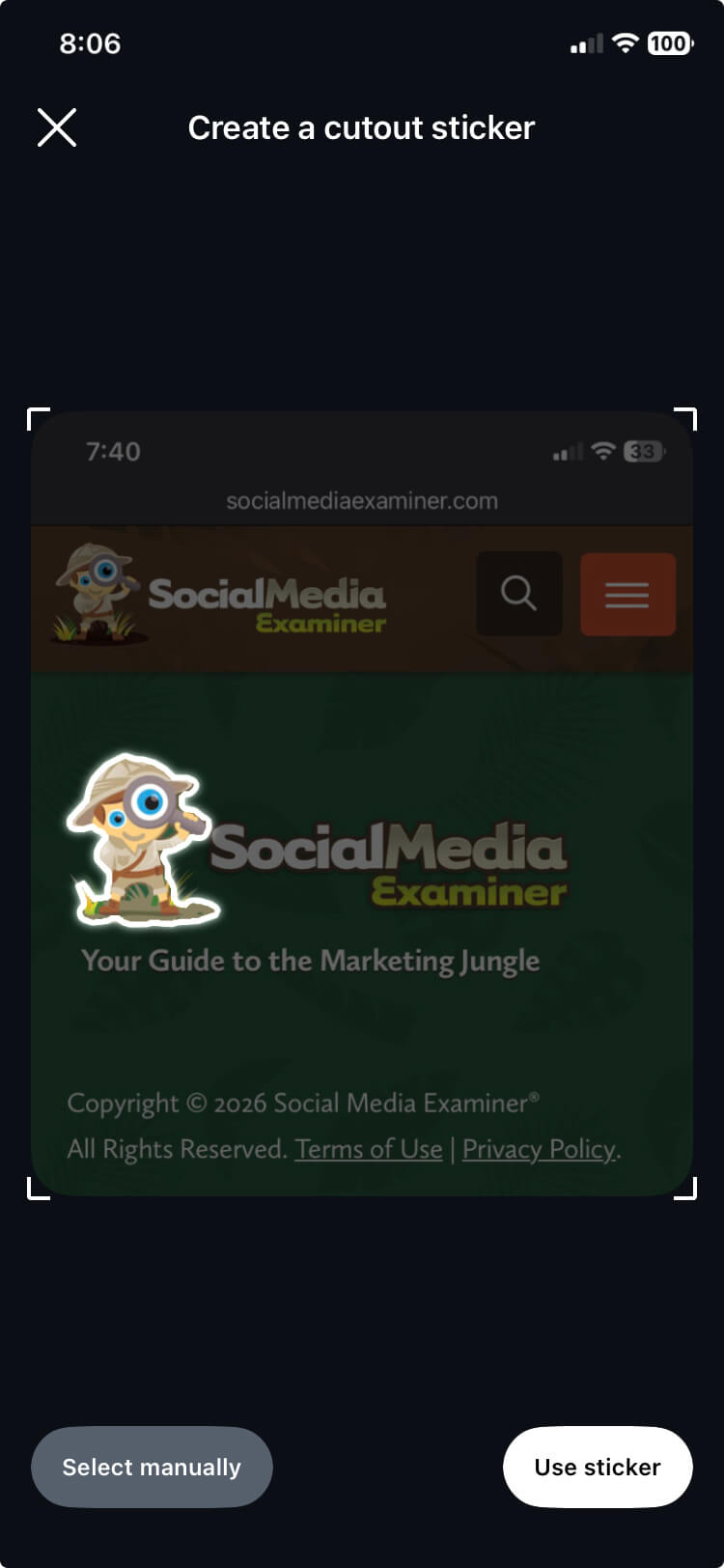
- Enhanced Custom Stickers: The expansion of "Cutouts" and integration with Giphy allows brands to create reusable, discoverable visual assets that can be used by the broader community, facilitating user-generated content (UGC).
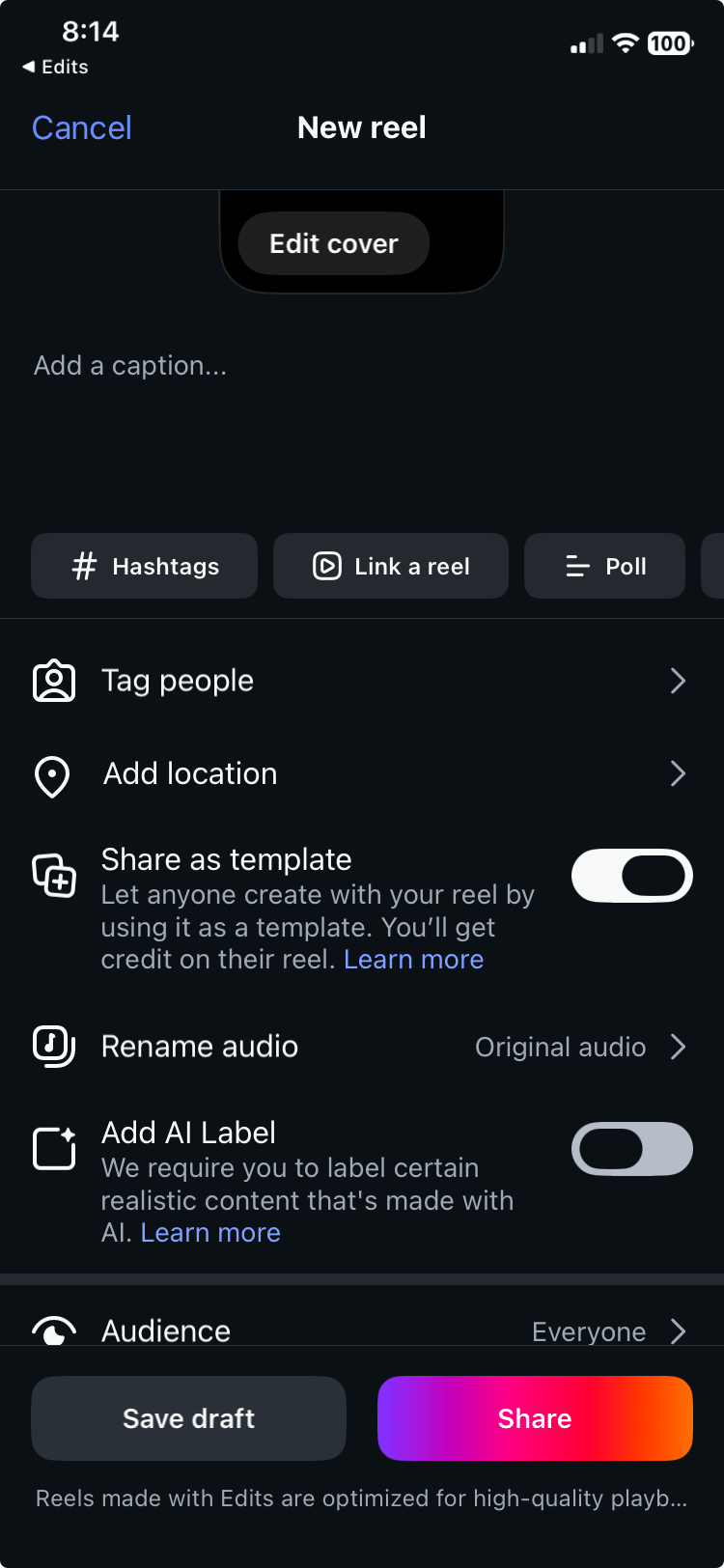
- Advanced Video Capabilities via the Edits App: Instagram’s native video editor has introduced shared templates, a dual-mode teleprompter (including a specialized voiceover mode), and the ability to link to other Reels or profiles from within a video.
II. Chronology: From Static Gallery to Dynamic Conversion Engine
To understand the weight of these changes, one must look at the trajectory of Instagram’s development. For nearly a decade, Instagram’s architecture was designed to keep users on the platform. The "link in bio" was the only sanctioned exit point, creating a bottleneck for marketers and a friction-filled experience for consumers.
In 2021, the expansion of the "Link Sticker" in Stories began to crack this foundation. However, the feed remained a "look but don’t touch" environment for URLs. The introduction of caption links in late 2023 and early 2024 marks the most significant departure from this philosophy. It signals a move toward a model more akin to Facebook or LinkedIn, where the post itself serves as a direct portal to external commerce.

Simultaneously, the evolution of the "Grid" has moved from a chronological record to a curated portfolio. The new ability to rearrange posts and edit thumbnails represents the culmination of years of user requests to treat the Instagram profile as a professional landing page rather than a simple photo stream.
III. Supporting Data and Strategic Details
The Strategic Shift in Traffic: Caption Links
The introduction of caption links is not a universal rollout; it is a calculated experiment in monetization and account categorization. Currently, the test allows for up to 10 clickable links per month.
- Account Type Nuance: A critical hurdle for many marketers is the distinction between "Business" and "Creator/Publisher" accounts. As Chelsea Peitz observes, many business owners find themselves locked out of new features because of their account designation. Switching to a "Creator" account often unlocks the full music library and, increasingly, these new testing features. Peitz suggests that if a full switch is undesirable, adjusting the "Category" in the backend settings of a Business account can sometimes act as a workaround.
- The Meta Verified Hedge: Why is this feature tied to a paid subscription? Social media platforms typically view outbound links as a negative metric because they reduce "time on site." By tying caption links to the Meta Verified tier (particularly the higher-priced tiers, such as the $49/month option), Meta effectively offsets the lost ad revenue from shortened session times with direct subscription revenue.
Profile Optimization: The Digital Storefront
While many users interact with content primarily through the home feed, the "Profile Visit" remains the highest-intent action on the platform.

- Desktop vs. Mobile: Peitz highlights a growing trend: high-value profile visits often occur on desktop browsers, triggered by Google searches, LinkedIn referrals, or even AI recommendations like ChatGPT. In these instances, the grid layout is the first impression of brand authority.
- Thumbnail Hooking: The ability to edit thumbnails allows marketers to go back to high-performing legacy content and add "hooks" or clarifying text. This "retroactive optimization" can significantly increase the click-through rate (CTR) for new visitors exploring an older catalog of content.
The Branding Mechanic: Custom Stickers and Giphy
Branded stickers have historically failed when they are too "corporate." The new tools allow for a more organic approach.
- The Meme Strategy: Successful stickers capture a "feeling" rather than a "logo." Peitz recommends brands create stickers that represent a shared identity or a specific mood.
- Giphy SEO: For brands using Giphy to make stickers discoverable, Peitz offers a "Pro Tip" regarding searchability. To ensure internal teams can find specific branded assets without them getting lost in millions of global results, she suggests using a "nonsense" tag—a unique string of characters—that acts as a private key for the team to access their assets.
Production Efficiency: The Edits App
The Instagram Edits app is positioning itself as a legitimate competitor to third-party tools like CapCut.
- Democratization of Video: The shared template feature allows non-technical users to produce high-quality Reels by simply "dropping in" footage into a pre-timed framework.
- The Voiceover Teleprompter: This is perhaps the most practical update for solo creators. Unlike traditional teleprompters that require you to look at the camera, the voiceover teleprompter allows you to record audio while reading a script, without the distraction of watching the video playback. This reduces "performance anxiety" and ensures a tighter, more professional narrative.
IV. Official Responses and Meta’s Stance
While Meta rarely provides granular data on algorithm suppression, their public-facing documentation and developer blogs emphasize "user value." The company’s stance on caption links is framed as an "exploration of creator tools," yet the underlying strategy is clearly focused on the Meta Verified ecosystem.
By restricting the most powerful conversion tools (like caption links) to Verified accounts, Meta is sending a clear signal: the platform is transitioning into a "pay-to-play" environment for those who wish to use it as a direct sales funnel. This move aligns with broader industry trends seen on platforms like X (formerly Twitter), where premium features are used as an incentive to stabilize revenue through subscriptions rather than relying solely on fluctuating ad spends.
Regarding grid customization, Instagram head Adam Mosseri has frequently mentioned the desire to give creators more "control" over their expression. These updates are a direct response to the "aesthetic anxiety" that has long plagued professional Instagrammers who felt trapped by a chronological grid that didn’t always represent their best work.
V. Implications and Future Outlook
The convergence of these tools suggests three major shifts in the social media marketing landscape:
- The Death of the "Link in Bio" Monopoly: While link-in-bio tools (like Linktree or Beacons) will remain useful for organizing a permanent directory of resources, the "single-post conversion" will become the new gold standard for product launches and time-sensitive promotions. Marketers must now learn to write captions that function as high-converting sales copy, complete with a direct call to action.
- Social Media as a Search Engine: With the ability to optimize thumbnails and rearrange the grid, the Instagram profile is becoming more like a website’s landing page. SEO (Search Engine Optimization) will extend beyond just captions and hashtags into the visual hierarchy of the profile itself.
- The Rise of Native Production: By improving the Edits app, Instagram is attempting to close the loop on content creation. If creators can film, script (via teleprompter), edit (via templates), and link (via in-Reel links) all within one app, the friction to post increases, potentially leading to a higher volume of platform-native content that the algorithm tends to favor.
Conclusion
For the modern marketer, these updates demand a move away from "autopilot" posting. The ability to drive traffic directly from a caption, coupled with the power to curate a professional digital storefront through grid reordering, offers a level of sophistication previously unavailable on the platform. As Instagram continues to blur the lines between social networking and e-commerce, those who master these technical tools while maintaining an authentic brand voice will be the ones who thrive in this new era of digital engagement.