The Evolving Landscape of Mobile Hardware: From Foldable Innovations to Mid-Range Powerhouses
Following a high-octane week dominated by the launch of the iPhone 18 Pro series, the focus of the mobile industry has shifted back to the robust ecosystem of Samsung Galaxy devices and the aggressive disruption of boutique manufacturers. This analysis explores the current state of the foldable market, the competitive tension in the mid-range segment, and the shifting value propositions within Samsung’s own S-series hierarchy.
Main Facts: The Current State of Foldables
The foldable smartphone market has reached a point of maturity where manufacturers are no longer just asking, "Can we make it fold?" but rather, "How can we make it practical?"
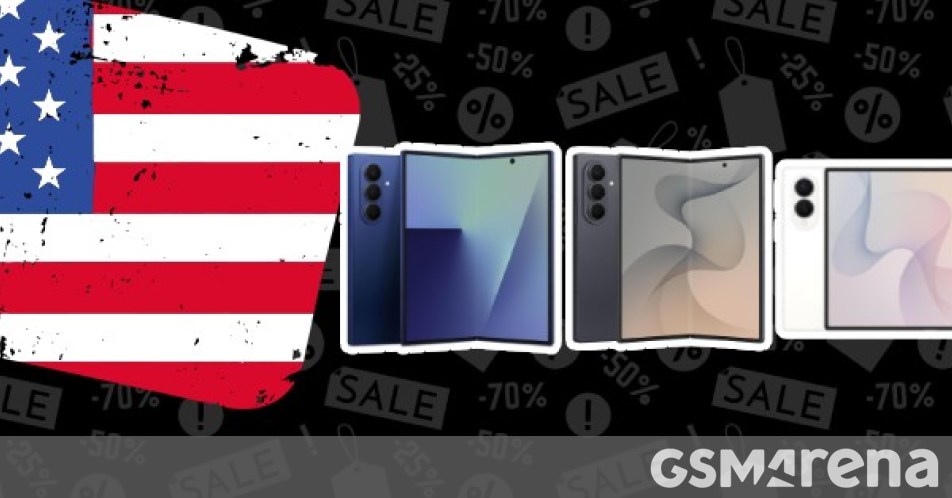
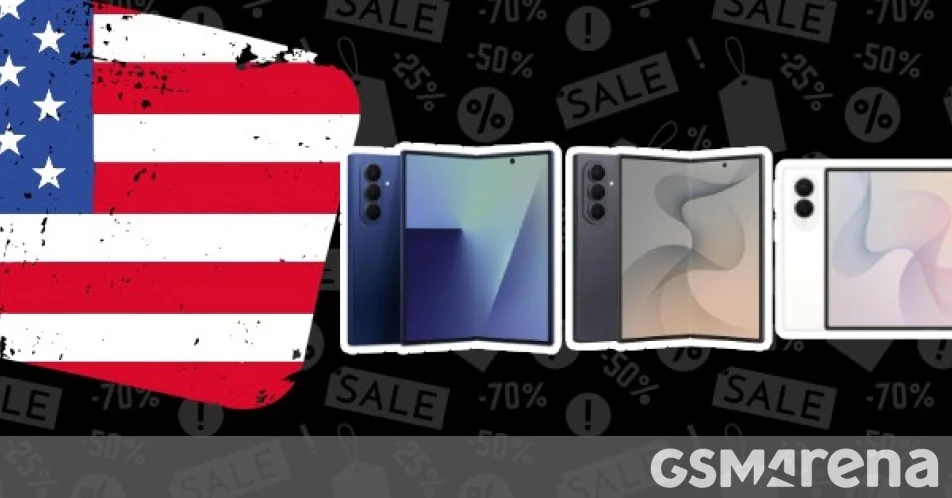
The Samsung Galaxy Z Fold7, last year’s flagship, is currently positioned as a high-value entry point for those looking to adopt book-style foldables. Priced at approximately $1,350, it offers a significant $550 discount compared to its direct successor, the Z Fold8 Ultra. Both devices share an impressive physical profile, measuring just 8.9mm in thickness and weighing in at a balanced 215g.
However, the Z Fold8 Ultra represents a iterative leap in engineering. Key improvements include a 600mAh boost to the battery capacity (up from the 4,400mAh found in the Z Fold7) and a marked improvement in power delivery, with wired charging increasing from 25W to 45W and wireless charging bumping from 15W to 20W. Under the hood, the transition from the Snapdragon 8 Elite to the 8 Elite Gen 5 chipset ensures sustained performance, while a significant upgrade to the ultra-wide camera—from 12MP to 50MP—addresses one of the few weak points in the previous generation.
Chronology of Product Evolution
To understand the current market, one must look at the diverging paths of the Z Fold series:
- The Z Fold7 (Legacy Flagship): Established the modern standard for slim, lightweight book-style foldables. It remains a capable device with a 200MP main camera and a 10MP 3x telephoto lens.
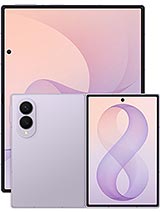
- The Z Fold8 (The Wide Alternative): Samsung has positioned this as a distinct branch of the tree. By moving to a 4:3 inner screen aspect ratio and a 3:2 cover display (5.5 inches), the Z Fold8 is designed for those who prefer a traditional smartphone feel when closed. It is exceptionally light at 201g, though slightly thicker at 9.7mm.
- The Z Fold8 Ultra (The Powerhouse): The pinnacle of the current lineup. It maintains the taller, slimmer profile (6.5-inch cover display with a 21:9 ratio) favored by power users, incorporating the highest-tier camera hardware and the most robust battery specifications in the series.
Supporting Data: The Mid-Range Battlefield
Beyond the foldable niche, the mid-range segment is witnessing a fierce conflict between long-standing industry giants and upstart challengers.
The Nothing Phone (4a) Pro vs. Samsung Galaxy A57
The Nothing Phone (4a) Pro, priced at $450, has set a high bar for value. It features:
- Display: A massive 6.83-inch 144Hz OLED panel at 1260p+ resolution.
- Performance: Snapdragon 7 Gen 4 chipset.
- Battery: 5,080mAh with 50W charging.
- Optics: A standout 50MP main sensor paired with a 50MP 3.5x periscope telephoto lens—a feature rarely seen at this price point.
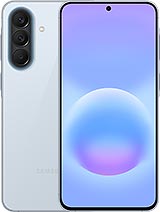
In contrast, the Samsung Galaxy A57 occupies the same $450 bracket but emphasizes different priorities. While it falls short on display sharpness (1080p+ at 120Hz) and lacks a dedicated telephoto lens, it counters with superior build quality, including an IP68 water resistance rating (compared to the (4a) Pro’s IP65) and a superior software commitment, offering six years of OS updates against Nothing’s three.
The S-Series Conundrum: FE vs. Plus
The Galaxy S26 FE has faced criticism for its stagnant pricing strategy. At a $700 entry point for the 128GB model, it sits in a precarious position. Market analysis suggests that consumers are better served by "stepping up" to the Galaxy S26+. For an additional $100, the S26+ provides a superior 1440p+ LTPO display, the more powerful Snapdragon 8 Elite Gen 5 chipset, and an upgraded camera array.
Official Responses and Strategic Positioning
Samsung’s strategy appears to be one of "segmentation by design." By offering the Z Fold8 with a wider aspect ratio, they are explicitly targeting the subset of the market that found previous iterations too narrow for comfortable typing.
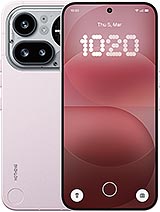
Regarding the TCL P80 series, the company has doubled down on its unique selling proposition: the NxtPaper display technology. The TCL NxtPaper 70 Pro, while utilizing an IPS LCD rather than the newer OLED versions of the technology, offers a distinct eye-protection feature set. With a 6.9-inch screen, 5,200mAh battery, and a Dimensity 7300 chipset, TCL is targeting the productivity-first, media-consumption-heavy user who values eye health over raw benchmark scores.
Implications for the Consumer
The current market cycle holds several critical implications for those looking to upgrade their mobile devices:
- The "Ultra" Tax: The Z Fold8 Ultra is objectively the superior device, but for the average user, the Z Fold7 offers roughly 85% of the experience for a significantly lower price. The decision to "Ultra" is now strictly a matter of whether the 200MP camera and increased battery capacity justify the premium.
- Software Longevity as a Currency: Samsung’s aggressive update cycle for the A57 highlights a shift where the "value" of a phone is measured not just in hardware, but in the years of support provided. This is a direct competitive response to Nothing, which prioritizes hardware "flash" and unique specifications over long-term software lifecycle management.
- The Death of the "FE" Value Proposition: The S26 FE is currently caught in a "no-man’s-land." Unless Samsung introduces significant discounts, the device fails to differentiate itself from the base-tier flagships or the feature-rich mid-range devices. The recommendation for budget-conscious buyers remains to look toward the S25 FE, which offers a comparable experience at a lower price point, provided they can manage the limitations of the older Exynos 2400 chipset.
Future Outlook
As we look toward the remainder of the quarter, the industry is expected to lean further into display innovation—as seen with TCL’s NxtPaper—and refined form factors. The "wide" foldable design of the Z Fold8 is likely a testbed for future form factors that will eventually merge with the standard flagship line. For the consumer, the takeaway is clear: the hardware gap between "mid-range" and "premium" is shrinking, and the choice between them now relies entirely on the specific niche features—be it a periscope camera, a specialized eye-care display, or long-term software support—that the individual user values most.
Disclaimer: This report contains information regarding market pricing and hardware specifications. We may receive a commission from qualifying sales made through retail partner links.