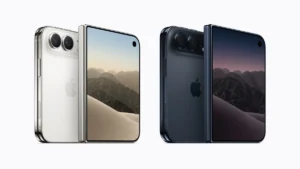
The Foldable Frontier: Apple’s Strategic Entry and the 2027 Market Outlook
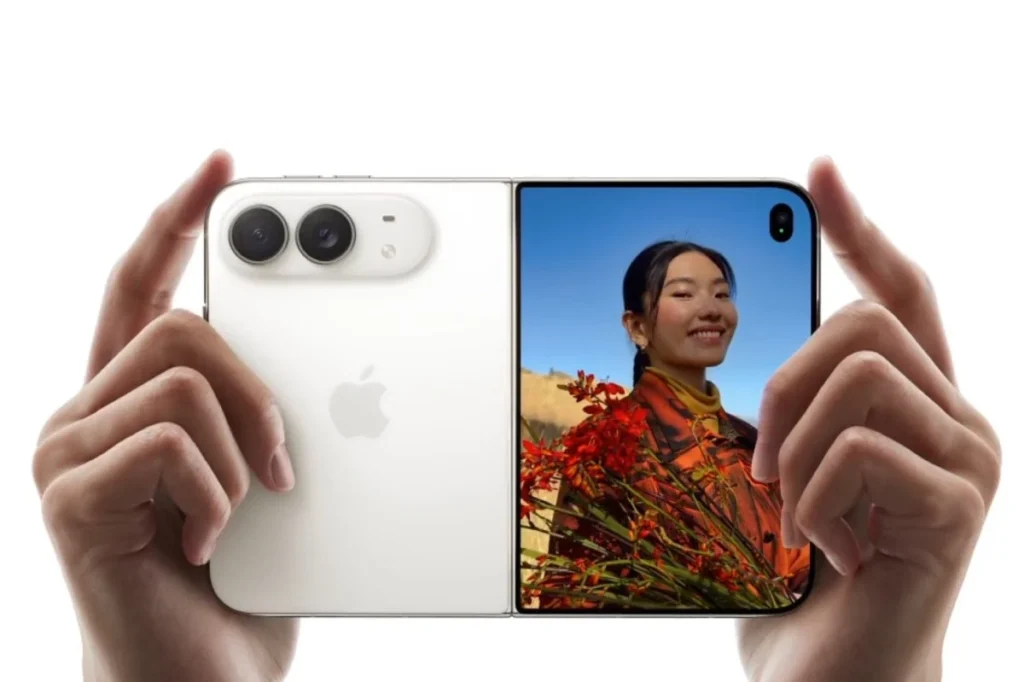
Following the highly anticipated announcement of the iPhone Duo, the technology sector is recalibrating its long-term forecasts. A comprehensive new report from industry research powerhouse TrendForce has provided a detailed roadmap for the foldable smartphone market through 2027. The findings suggest a seismic shift in the mobile landscape, with Apple poised to disrupt a segment that has been dominated by Samsung and Huawei for nearly a decade.
Main Facts: Apple’s Imminent Market Impact
The central finding of the TrendForce report is the projected trajectory of Apple’s entry into the foldable device category. By the end of 2027, the firm estimates that Apple will ship approximately 5 million units of its inaugural folding handset. While conservative by Apple’s typical volume standards, this entry is expected to instantly secure the company a 24.8% market share.
This projection positions Apple as a formidable contender, placing it in an effective tie for second place with Huawei, while trailing behind the long-standing market leader, Samsung. The introduction of the "iPhone Duo" is viewed by analysts as the "legitimization" moment for the foldable form factor. Historically, Apple has waited for nascent technologies to mature before adopting them; its entry into the foldable space is interpreted as a signal that the hardware, hinge durability, and software optimization have reached the threshold required for mass-market adoption.
Chronology: The Evolution of the Foldable Sector
To understand the weight of these predictions, one must look at the timeline of the foldable smartphone industry.
The Early Adopters (2019–2022)
The foldable market was effectively birthed in 2019, plagued by early reliability issues, high prices, and niche appeal. Samsung took an early, aggressive lead, iterating rapidly from the original Galaxy Fold to the more refined Z Fold and Z Flip series. During this era, foldables were largely categorized as "experimental" devices intended for power users and tech enthusiasts.
The Refinement Phase (2023–2025)
Between 2023 and 2025, the market saw incremental but crucial improvements. The "crease" issue—a major point of contention for early consumers—was significantly mitigated through new water-drop hinge designs. Software ecosystems began to catch up, with Android manufacturers optimizing multi-window multitasking and app continuity. Despite these gains, global shipments remained relatively stagnant, struggling to transition from a niche luxury item to a mainstream consumer requirement.
The Apple Catalyst (2026–2027)
The current year marks the beginning of the "Apple Catalyst" phase. With the announcement of the iPhone Duo, the industry is entering a period of anticipated growth. TrendForce projects that 2026 will see total global folding phone shipments reach 20.2 million units. While this represents a modest 0.5% growth rate over 2025, it serves as the foundation for a more significant expansion in 2027, where total shipments are projected to climb to 23.5 million units.
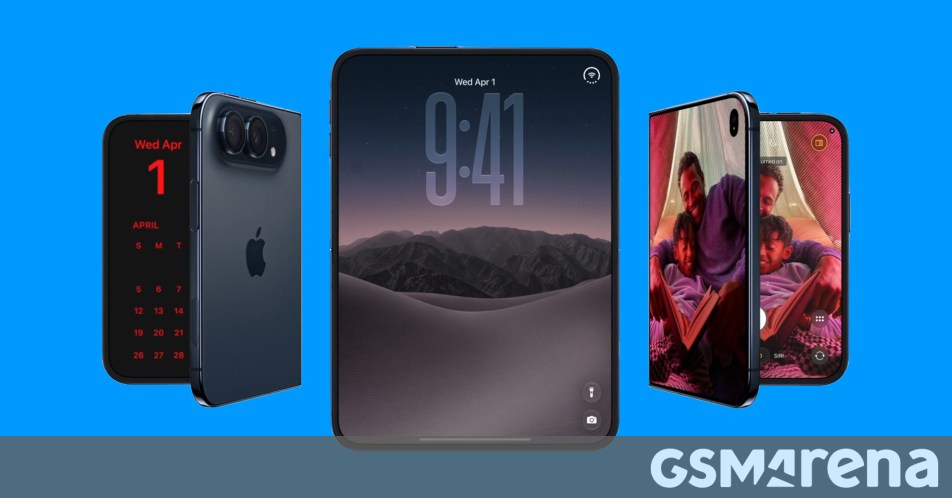
Supporting Data: A Competitive Breakdown
The competitive landscape for 2027 is projected to be tightly contested, defined by a three-way battle between Samsung, Apple, and Huawei.
Samsung’s Continued Dominance
Despite increased competition, TrendForce expects Samsung to retain its leadership position. With a projected 7.1 million shipments in 2027, the South Korean giant is expected to hold a 35% market share. Samsung’s advantage lies in its vertical integration—manufacturing its own flexible OLED panels and having years of experience in consumer feedback and supply chain optimization.
The Apple-Huawei Rivalry
The battle for the second-place spot will be a defining narrative of the next two years. Both Apple and Huawei are projected to ship 5 million units each by 2027, effectively splitting the second-place ranking with 24.8% market share apiece.
Market Growth Factors
The projected growth from 20.2 million units in 2026 to 23.5 million units in 2027 is driven by two primary catalysts:
- Hardware Maturation: Advancements in display technology, specifically the integration of Ultra-Thin Glass (UTG) and more durable, multi-link hinge mechanisms, have significantly lowered the failure rate of foldable devices.
- AI Integration: The report highlights "AI use cases" as a critical driver. The ability for foldables to serve as specialized "productivity hubs" is being bolstered by on-device generative AI. The large-screen real estate afforded by foldable devices provides the ideal canvas for AI-driven multitasking, such as real-time language translation, advanced photo editing, and complex document summarization.
Official Responses and Industry Sentiment
While Apple has historically maintained a "no comment" policy regarding future product sales projections, industry analysts have been vocal about the implications of the TrendForce report.
"The entry of Apple into the foldable market is not merely about selling units; it is about setting a new standard for user experience," says Sarah Jenkins, an independent supply chain analyst. "The industry has been waiting for an ‘Apple-grade’ folding device to force the rest of the market to stop treating these phones as expensive prototypes and start treating them as essential productivity tools."
Samsung, for its part, has publicly welcomed the competition. In recent investor briefings, Samsung executives have noted that "market entry from other major players validates the foldable category," suggesting that as the total addressable market grows, Samsung’s established ecosystem will benefit from the increased consumer interest.

Implications: The Future of the Smartphone
The ripple effects of this shift will be felt across the entire tech ecosystem.
1. The Death of the "Standard" Phone?
As foldables become more accessible, the industry may see a bifurcation in the smartphone market. We are moving toward a world where the standard "slab" phone is the baseline, while the foldable becomes the premium "Pro" or "Ultra" tier. If Apple manages to replicate its success in the premium market, the price premium for foldables will likely drop as manufacturers achieve economies of scale.
2. Software Ecosystem Challenges
The biggest implication for developers is the need for platform-agnostic foldable optimization. With three major players (Apple, Samsung, Huawei) vying for dominance, app developers will be under increased pressure to ensure that their software feels native on both traditional screens and expanding, flexible displays. This is where Apple’s walled garden may pose a challenge, as it historically forces developers to adopt its design language, potentially creating a "foldable-first" app store ecosystem that could diverge from the Android standard.
3. Supply Chain Reconfiguration
The projected shipment volumes will require a massive ramp-up in the production of flexible components. Display manufacturers like Samsung Display, BOE, and LG Display are likely to see their order books swell, as the demand for high-quality, long-lasting flexible panels becomes the primary bottleneck for growth.
4. Consumer Behavior and Loyalty
Finally, the introduction of the iPhone Duo will test the brand loyalty of the Apple user base. For years, iPhone users have had to defect to the Android ecosystem to experience foldable technology. With an Apple-branded solution, the company is expected to retain a significant segment of "switchers" who were previously hesitant to leave the iOS ecosystem but desired modern hardware innovations.
Conclusion
The TrendForce report paints a picture of an industry on the precipice of a significant transformation. By 2027, the foldable form factor will have matured from a risky experimental design into a standard feature of the high-end smartphone market. With Apple, Samsung, and Huawei locked in a competitive cycle, consumers stand to benefit the most from improved hardware durability, more sophisticated AI integration, and the normalization of premium mobile technology.
As the calendar turns toward 2027, all eyes will be on whether the actual shipment numbers can meet these ambitious forecasts. If they do, the foldable phone will officially be crowned the new king of the smartphone world.