The Future of B2B Social Media: Strategic Imperatives for 2025
The digital architecture of business-to-business (B2B) marketing is undergoing a seismic shift. As we transition into 2025, the traditional, rigid corporate veneer that once defined B2B interactions is rapidly dissolving, replaced by a demand for human-centric, authentic, and highly personalized digital experiences. For marketing leaders, the challenge is no longer just "being on social media"; it is about mastering the nuance of engagement in an increasingly saturated and AI-driven ecosystem.
This report summarizes critical insights drawn from the latest industry data and expert deliberations from the Social Pros podcast, outlining the essential playbook for B2B brands aiming to maintain a competitive edge in the coming year.
The Core Transformation: From Corporate to Human
The 2024 Netline B2B Content Consumption Report highlights a clear trend: the B2B buyer is no longer satisfied with static white papers or clinical, impersonal corporate messaging. They are demanding the same level of relatability and storytelling commonly associated with B2C marketing.
In 2025, the hallmark of a successful B2B brand will be its ability to bridge the gap between complex solutions and emotional resonance. This shift involves moving away from product-first broadcasting and toward values-based storytelling. By highlighting the internal culture, the specific challenges solved for clients, and the "human truth" behind a product, companies can foster deeper loyalty and trust.
Chronology of Trends: A Brief History of B2B Social Evolution
To understand where we are going, we must acknowledge the trajectory of the last decade:

- 2015–2018: The era of "social presence," where having a LinkedIn company page was considered sufficient.
- 2019–2021: The rise of content marketing and gated assets, focusing on lead generation through volume and volume alone.
- 2022–2024: The pivot toward community building, the emergence of the B2B influencer, and the early adoption of generative AI.
- 2025 and Beyond: The era of Contextual Relevance. Algorithms are now sophisticated enough to penalize fluff. Success now hinges on hyper-targeted, high-value, and authentic content delivered through the right mediums.
Supporting Data: The Video Dominance
Video content remains the undisputed champion of the modern marketing stack, though its application is diversifying. According to recent metrics, 72% of B2B marketers report measurable success in lead generation specifically through short-form video content.
The Duality of Video Strategy
- Short-Form Video (TikTok/Reels/Shorts): These are the top-of-funnel engines. They serve as "hooks," providing quick, digestible insights that capture attention in a cluttered feed. Effective short-form content focuses on quick tips, behind-the-scenes culture, and high-level industry commentary.
- Long-Form Video (YouTube/Webinars): These remain the bedrock of the middle-to-bottom funnel. Platforms like YouTube act as search engines for professional development. Brands such as Salesforce and HubSpot have set the gold standard by utilizing long-form content to host deep-dive product demos, technical tutorials, and fireside chats that establish long-term authority.
Official Responses and Expert Perspectives
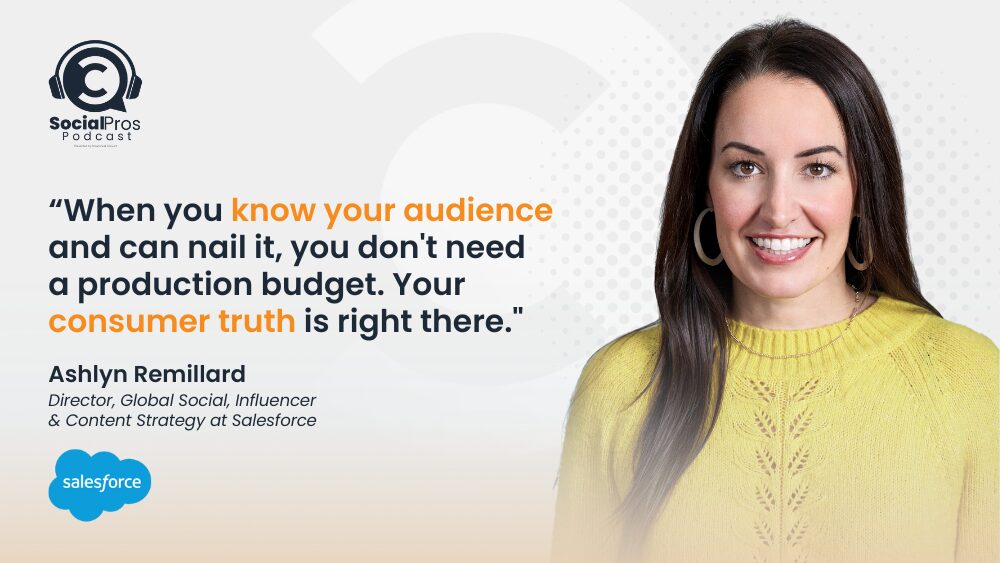
During a recent episode of the Social Pros podcast, industry strategists emphasized that budget is not the primary barrier to success. Ashlyn Remillard of Salesforce noted, "When you know your audience, and can nail it, you don’t need a massive production budget. Your consumer truth is right there."
This sentiment echoes across the industry: the "polished" look is losing favor to the "authentic" look. Brands that are willing to show the messiness of their processes or the genuine struggles of their clients often see higher engagement rates than those relying on over-produced corporate videos.
Implications: The New Pillars of B2B Success
1. The Rise of the B2B Influencer
The B2C space has long benefited from influencer partnerships, and the B2B sector is finally catching up. In 2025, a B2B brand’s reach is only as good as the credibility of its advocates. By partnering with subject matter experts—rather than just "celebrity" influencers—brands can tap into pre-existing, highly qualified communities.
- Strategic Advantage: Influencers provide a "warm intro" to a cold audience, effectively bypassing the skepticism usually directed at corporate social media accounts.
2. AI Integration: Efficiency vs. Soul
AI and automation are no longer optional. They are the tools that allow teams to scale. However, the implication for 2025 is clear: AI should be used for optimization, not creation.
- Key Applications: Using AI to analyze sentiment trends, optimize posting schedules based on audience activity, and repurpose long-form webinars into bite-sized social snippets.
- The Risk: Over-reliance on AI for content creation leads to a "generic" output that audiences are increasingly adept at identifying and ignoring. The human element remains the final, critical filter.
3. Thought Leadership as SEO
LinkedIn has evolved from a job board into the primary publishing platform for industry thought leaders. Brands that empower their executives to share genuine insights—rather than marketing jargon—reap the benefits of improved SEO and brand affinity. When an executive discusses future industry trends, they aren’t just selling a product; they are selling the vision of the company.
4. The "Pain-Point First" Strategy
The most successful content in 2025 will be that which directly addresses the "nighttime worries" of a prospective buyer. If a company can identify a specific friction point—whether it is budget constraints, integration difficulties, or staffing shortages—and create content that offers a path to a solution, they move from being a "vendor" to being a "trusted advisor."
Strategic Recommendations for 2025
To navigate this landscape, organizations should adopt a three-pronged approach:
- Audit for Authenticity: Review your current social output. If your content sounds like a press release, it is time to pivot. Prioritize content that features employees, addresses common customer failures, and highlights industry challenges.
- Invest in "Educational" Video: Move beyond product commercials. Create a content library that teaches your audience how to be better at their jobs, regardless of whether they buy your software today. This creates "brand debt"—an audience that owes their success to your insights.
- Leverage Expert Networks: Stop trying to build every community from scratch. Identify 5–10 niche experts in your field and facilitate collaborations. Their endorsement is the most cost-effective marketing lever available in the current climate.
Conclusion: The Path Forward
The landscape of B2B social media is not shrinking; it is maturing. As we move through 2025, the brands that win will be those that treat their social channels as a platform for service and education rather than a digital billboard. By embracing the tension between AI efficiency and human empathy, B2B marketers can build resilient, high-trust relationships that drive long-term business growth.
The era of "corporate shouting" is over. The era of the "thoughtful conversation" has begun. Brands that adapt to this shift will find themselves not just reaching their audience, but resonating with them on a level that drives sustainable, meaningful results.