The Future of Care: 5 Essential Video Editing Tools for Healthcare Marketing in 2025
In an era where digital presence dictates patient trust, the healthcare industry is undergoing a visual revolution. Gone are the days when medical information was confined to sterile brochures and dense white papers. Today, video marketing has emerged as the primary vehicle for humanizing healthcare brands, demystifying complex medical procedures, and fostering a deeper connection between providers and patients.
For hospitals, private practices, and medical technology firms, video content is no longer a luxury—it is a necessity. However, the stakes are uniquely high. Unlike retail or lifestyle marketing, healthcare communication must navigate a minefield of regulatory hurdles, including stringent HIPAA compliance, the need for absolute scientific accuracy, and the delicate balance of maintaining professional authority while appearing accessible.
As we move deeper into 2025, the demand for high-quality, trustworthy, and visually engaging content has never been higher. To meet this demand, marketers require tools that are not only powerful but also intuitive enough to handle the nuances of medical storytelling. Below, we explore five of the best video editing platforms that are defining the landscape of healthcare marketing this year.

The Landscape: Why Video is the New Medical Standard
The shift toward video in healthcare is supported by compelling data. Recent industry trends indicate that patients are 75% more likely to trust a medical provider if they have viewed a video introduction or a patient testimonial. Video serves as a digital "first encounter," allowing patients to vet the bedside manner of a surgeon or the facilities of a hospital from the comfort of their homes.
The Chronology of Digital Healthcare Communication
- The Pre-2015 Era: Communication was primarily text-based, relying on static websites and print media.
- The Rise of Social Integration (2015–2020): Hospitals began adopting social media, but video was often an afterthought, characterized by low-production quality.
- The Pandemic Pivot (2020–2022): The COVID-19 pandemic forced a rapid transition to telehealth and video-based public health messaging, normalizing the presence of digital healthcare content.
- The Professionalization Era (2023–Present): Healthcare organizations are now investing in professional-grade production, recognizing that the quality of their video content is a direct proxy for the quality of their clinical care.
1. Adobe Premiere Pro: The Gold Standard for Professionalism
For healthcare organizations that require clinical precision and high-end production, Adobe Premiere Pro remains the industry leader. It is the powerhouse behind most professional medical documentaries and institutional promotional films.
Why It Leads the Market
Premiere Pro provides a non-linear editing environment that allows for complex multi-camera setups—essential for filming surgical procedures or multi-physician roundtables. Its integration with the Adobe Creative Cloud ensures that graphics, audio, and visual effects are perfectly synchronized.
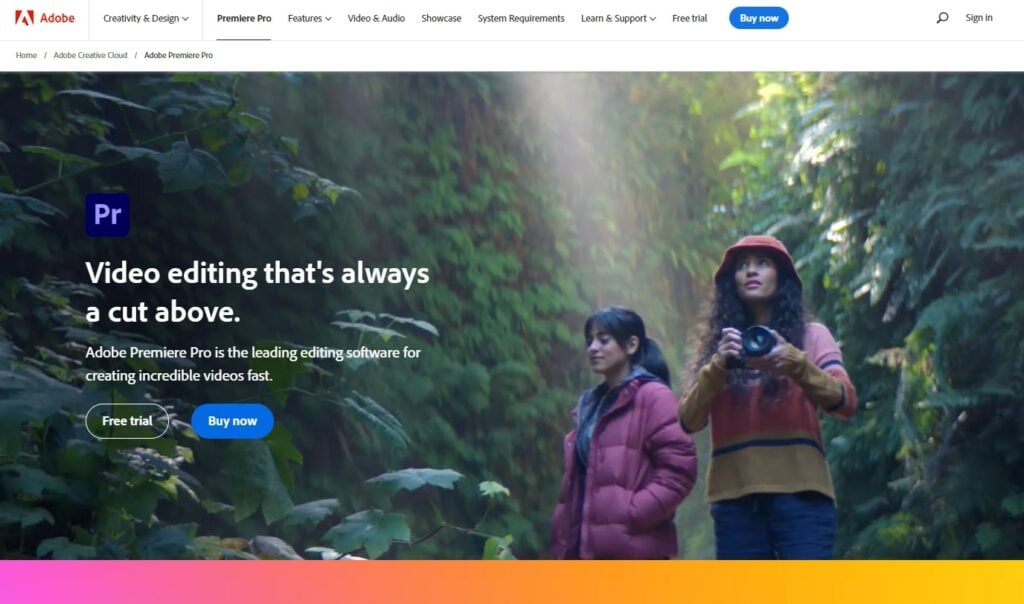
- Key Features: Advanced color correction, AI-powered audio cleanup, and deep integration with Adobe After Effects for motion graphics.
- Pros: Industry-standard interface, infinite scalability, and unmatched precision for long-form content.
- Cons: The learning curve is steep; it is not designed for the casual user.
- Best For: Large hospital networks and medical device manufacturers producing high-stakes educational or corporate content.
- Pricing: $20.99/month.
2. Animaker: Humanizing Data through Animation
Medical concepts are often abstract and intimidating. Animaker has become the premier solution for healthcare marketers who need to turn complex physiology or clinical data into digestible, friendly visuals.
Bridging the Gap in Patient Education
Animaker’s strength lies in its library of medical-themed assets and its AI-driven character animation. For public health campaigns—such as explaining the benefits of a new vaccination or the mechanism of a chronic condition—animation removes the "clinical coldness" often associated with medical imagery.
- Key Features: Drag-and-drop character builder, vast library of medical icons/templates, and automated voice-over syncing.
- Pros: No technical animation skills required; highly accessible for non-designers.
- Cons: Limited in terms of live-action color grading and high-end cinematic effects.
- Best For: Pediatric care, public health outreach, and clinic explainer videos.
- Pricing: Free plan available; Paid tiers start at $15/month.
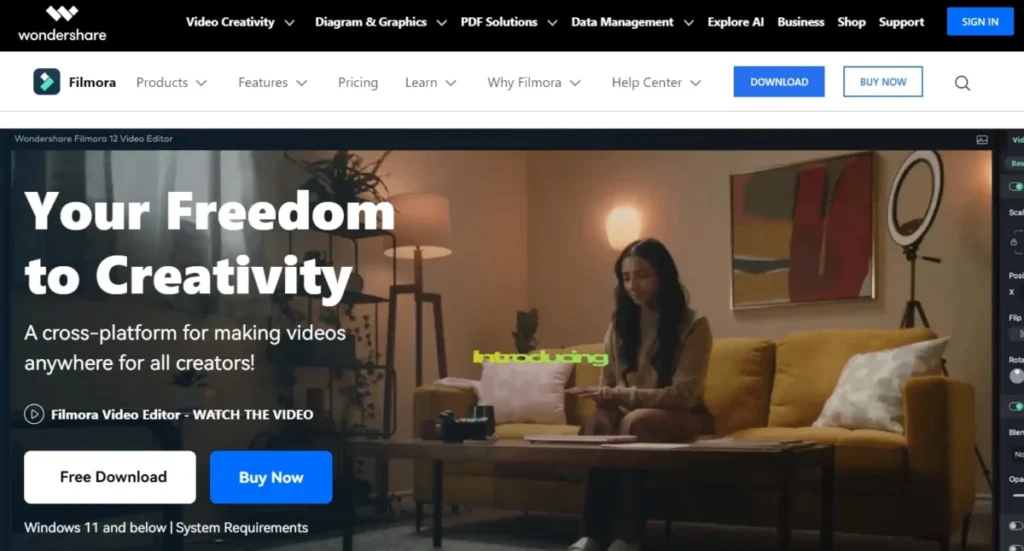
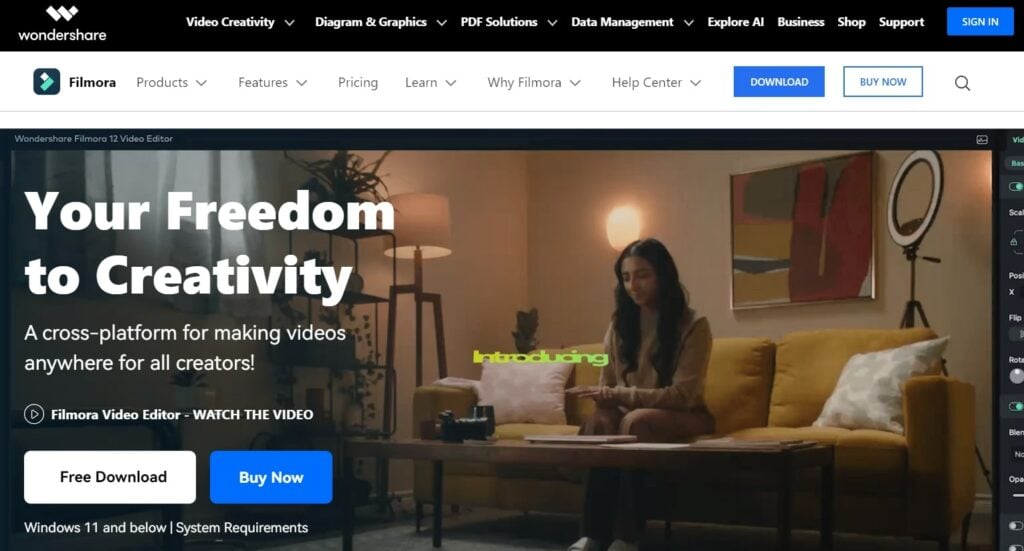
3. Filmora: The Efficiency Expert
Time is the most valuable resource in a medical setting. When a social media manager needs to turn a quick interview with a physician into a viral reel, Filmora offers the perfect balance of speed and professional polish.

The Storytelling Advantage
Filmora simplifies the creative process with a vast array of pre-built effects and transitions. It allows marketers to maintain a consistent brand identity across various platforms without spending hours on individual frame-by-frame edits.
- Key Features: Motion tracking, AI-powered background removal, and an extensive library of royalty-free medical stock music.
- Pros: Intuitive interface, fast export speeds, and regular updates with modern features.
- Cons: Some advanced features are locked behind a paywall; performance can lag on older hardware.
- Best For: Private practice marketing, facility virtual tours, and patient success stories.
- Pricing: Starts at $49.99/year.
4. iMovie: Accessibility for the Mac-Centric Clinic
For the independent practitioner or the small clinic staff that already operates within the Apple ecosystem, iMovie remains an unbeatable, zero-cost entry point into video marketing.
Keeping it Simple
Healthcare marketing doesn’t always need a cinematic masterpiece. Sometimes, a well-lit, authentic video of a doctor explaining a seasonal health tip is more effective than a high-budget production. iMovie allows for clean, crisp editing that prioritizes clarity over complexity.
- Key Features: Simple trimming tools, built-in sound effect library, and seamless compatibility with iPhones and Macs.
- Pros: Completely free, user-friendly for beginners, and highly stable.
- Cons: Limited in terms of advanced color grading and multi-layer compositing.
- Best For: Simple social media updates, FAQ videos, and quick patient testimonials.
- Pricing: Free.
5. DaVinci Resolve: The Cinematic Visionary
When a hospital system aims for a "cinematic" look—think high-end documentary style—DaVinci Resolve is the tool of choice. Originally a professional color-grading suite, it has evolved into a comprehensive editing, VFX, and audio-mixing powerhouse.
Professional-Grade Visuals
In the medical field, visual clarity is paramount. DaVinci Resolve’s color-grading capabilities ensure that skin tones are natural and medical imagery is presented with high fidelity. It is the tool for organizations that want their brand to reflect a premium, cutting-edge image.
- Key Features: Industry-leading color correction, Fairlight audio post-production, and Fusion VFX integration.
- Pros: The free version is incredibly powerful and includes most professional features.
- Cons: Requires a powerful computer to run effectively; high complexity.
- Best For: High-budget promotional campaigns and medical brand documentaries.
- Pricing: Free version available; Studio version: $295 (one-time).
Implications for Healthcare Marketing in 2025
The proliferation of these tools has profound implications for the industry. First, the democratization of production means that smaller clinics can now compete with massive hospital networks in terms of visual quality. Second, the rise of AI integration across these platforms allows marketers to spend less time on technical tasks and more time on the ethical and narrative aspects of their content.
Ethical Considerations
As marketers adopt these tools, they must remember the "do no harm" principle. Every video must undergo a rigorous review process.
- HIPAA Compliance: Never use real patient data or recognizable faces without explicit, signed consent.
- Accuracy: Even with high-end effects, the clinical accuracy of the information should never be sacrificed for visual flair.
- Tone: The balance between "marketing" and "education" is delicate. The most successful videos in 2025 will be those that prioritize patient empowerment over aggressive sales tactics.
Conclusion: Choosing Your Path
The choice of video editor should align with your organization’s goals. If you are a large hospital system focusing on high-end documentary work, Adobe Premiere Pro or DaVinci Resolve is your best bet. If you are a private clinic focused on patient education and social media engagement, Filmora or Animaker offers the perfect balance of efficiency and impact. For those just starting their journey, iMovie provides a frictionless way to begin building your brand’s visual identity.
By integrating these tools into your workflow, you aren’t just creating content; you are building a bridge of trust between your institution and the patients who rely on your expertise. In the competitive landscape of 2025, that trust is the most valuable asset you can possess.