The Future of Display Technology: An In-Depth Look at the TCL P80 Ultra
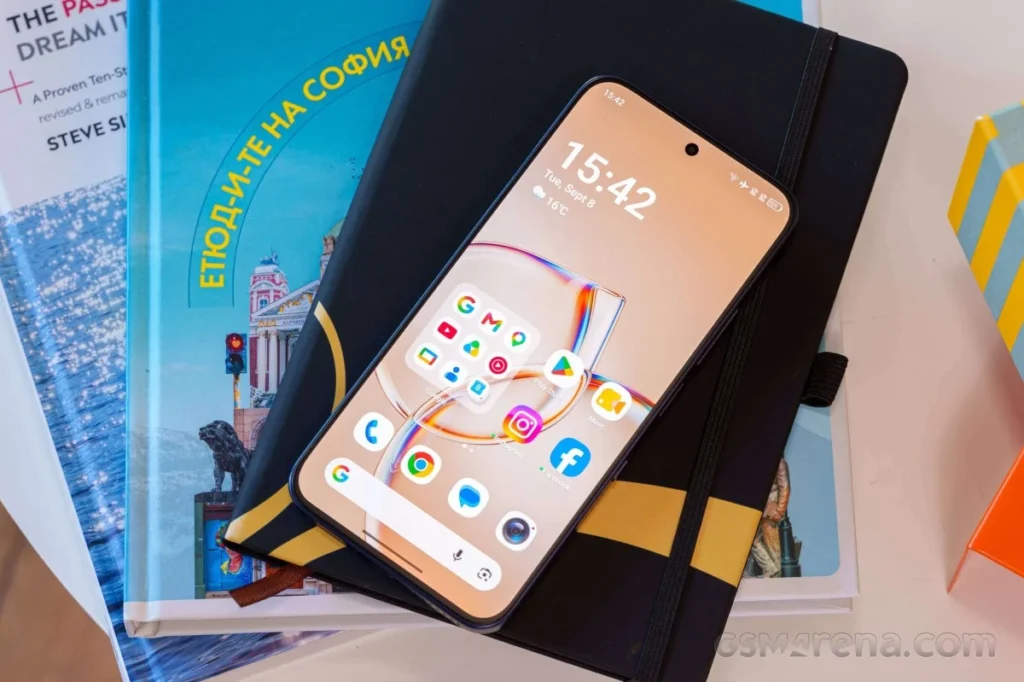
The smartphone market has largely plateaued, with incremental updates becoming the industry standard. However, occasionally, a device arrives that attempts to fundamentally shift how we interact with our digital content. The TCL P80 Ultra is one such device. By integrating the world’s first AMOLED NxtPaper display, TCL is challenging the dominance of traditional glossy screens, offering a hybrid experience that oscillates between a high-end smartphone and a dedicated e-reader.
Main Facts: A New Paradigm in Visuals
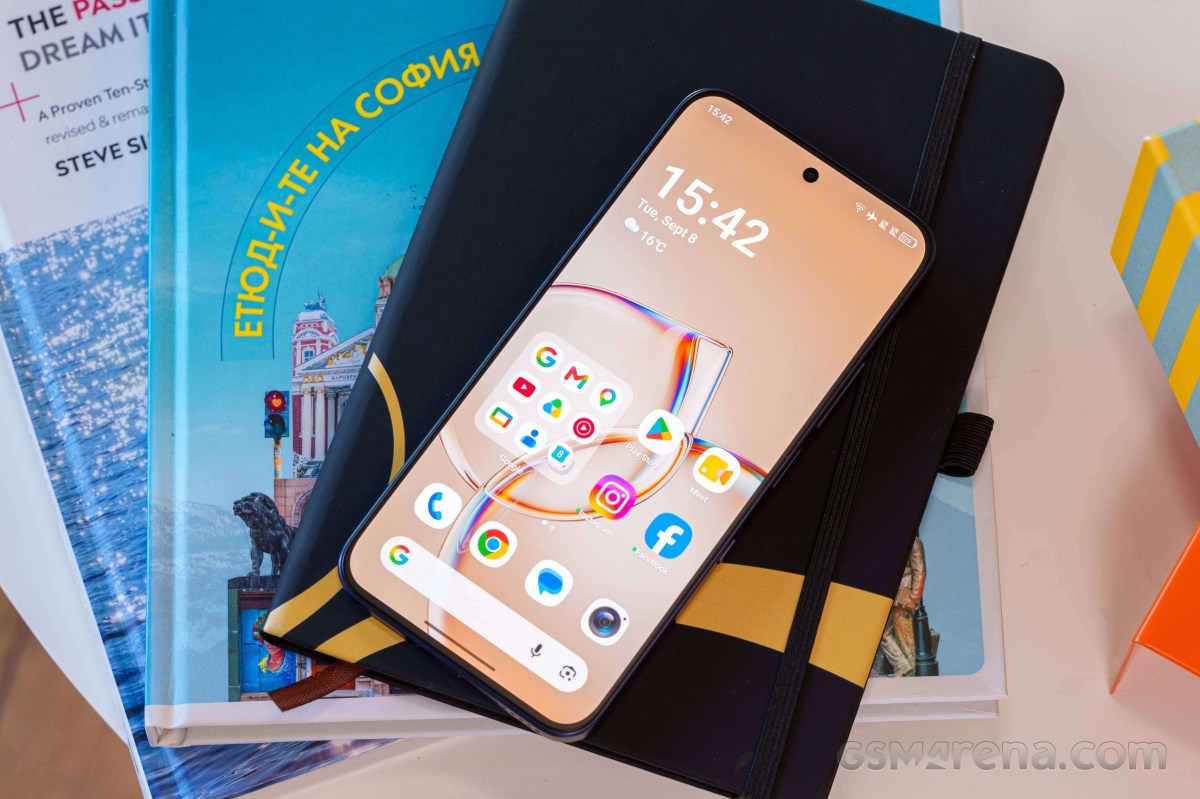
At its core, the TCL P80 Ultra is a premium-feeling device that prioritizes the user’s optical comfort without sacrificing technical specifications. The centerpiece is its massive 6.83-inch AMOLED panel, capable of hitting a staggering 3,200 nits of peak brightness. Unlike standard panels, this is a 10-bit unit supporting one billion colors, ensuring high-fidelity visual output.
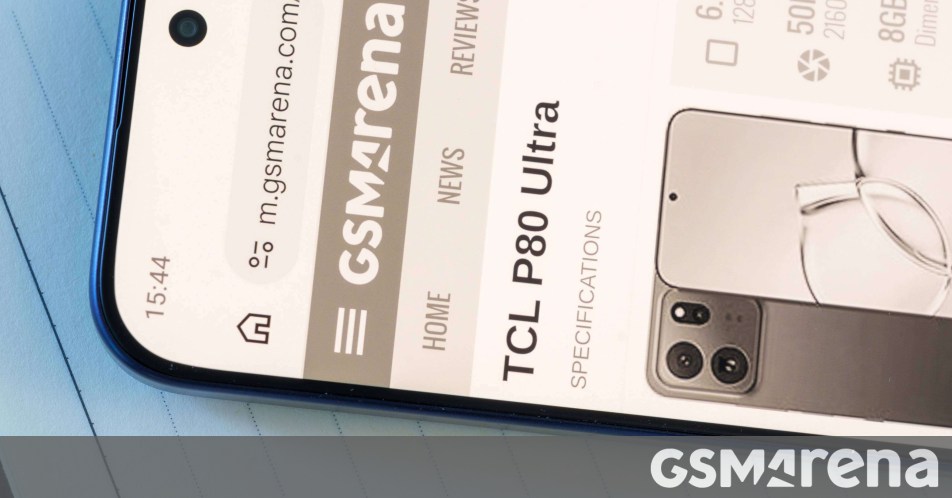
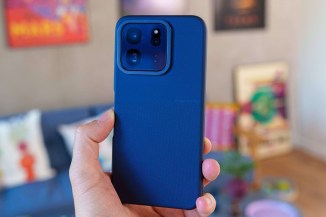
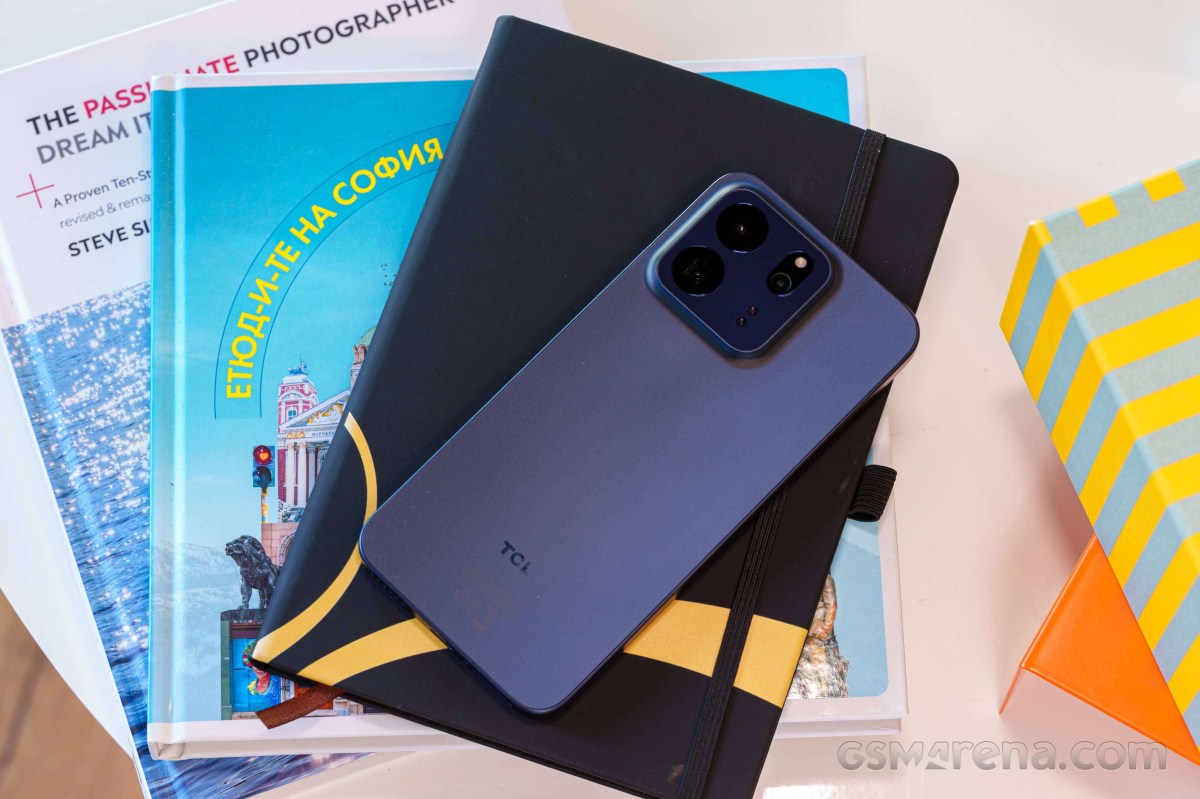
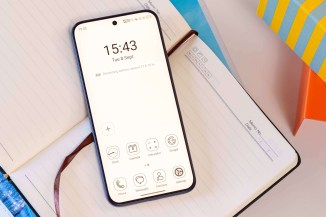
Beyond the raw specs, the phone distinguishes itself through its matte finish—not just on the rear casing, but across the entire display surface. This anti-glare treatment makes for an incredibly tactile experience, providing a smoother, more natural friction for finger swipes compared to the sticky, smudge-prone glass found on flagship competitors.
The device is powered by a generous 5,800mAh battery, housed within an 8.3mm chassis. It is available in three striking colorways: Midnight Blue, Sunlit Gold, and a trendy Burgundy. Pricing is aggressive, starting at €550 for the 8/256GB model and €600 for the 8/512GB configuration, positioning it as a value-oriented powerhouse in an era of inflating handset costs.
Chronology: The Evolution of NxtPaper
TCL’s journey to the P80 Ultra has been years in the making. The company first introduced the "NxtPaper" branding on its tablet line, aiming to solve the issue of eye strain associated with long-term screen use. The technology evolved from simple LCD-based matte layers to the sophisticated AMOLED implementation we see today.
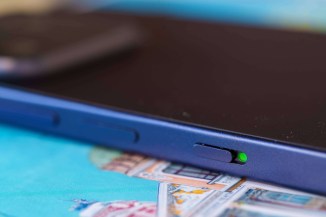
The transition from a static reading device to a dynamic smartphone necessitated a hardware-level solution. The P80 Ultra represents the culmination of this research, introducing a dedicated physical slider on the side of the device. This "NxtPaper slider" serves as the bridge between two worlds.
When the user toggles the switch, they are met with a visual transition—an animation where the vibrant colors of the AMOLED panel fade into a sepia-toned, e-ink-like aesthetic. This was not a minor software tweak; it required a complete reconfiguration of how the display driver processes light and color output to ensure that the "Max Ink" or "Paper Mode" delivers an authentic reading experience.
Supporting Data: Performance and Utility
The utility of the P80 Ultra is defined by its two primary display modes.
The "Max Ink" Experience
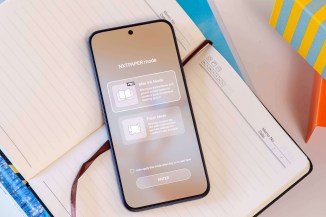
When shifted into "Max Ink" mode, the P80 Ultra effectively performs a digital detox. It strips away the distractions of modern mobile OS notifications, background processes are largely suspended, and the interface simplifies into a minimalist, reader-centric hub.
The efficiency gains here are significant. TCL claims the device can last up to seven days of continuous reading in this mode. While the preloaded reader app is currently a "mixed bag"—offering 500 free books but lacking robust search and organization tools—the integration of AI-driven features like text-to-speech narrations and simulated podcast generation hints at a future where the device acts as a personalized library.
The "Paper Mode" Flexibility
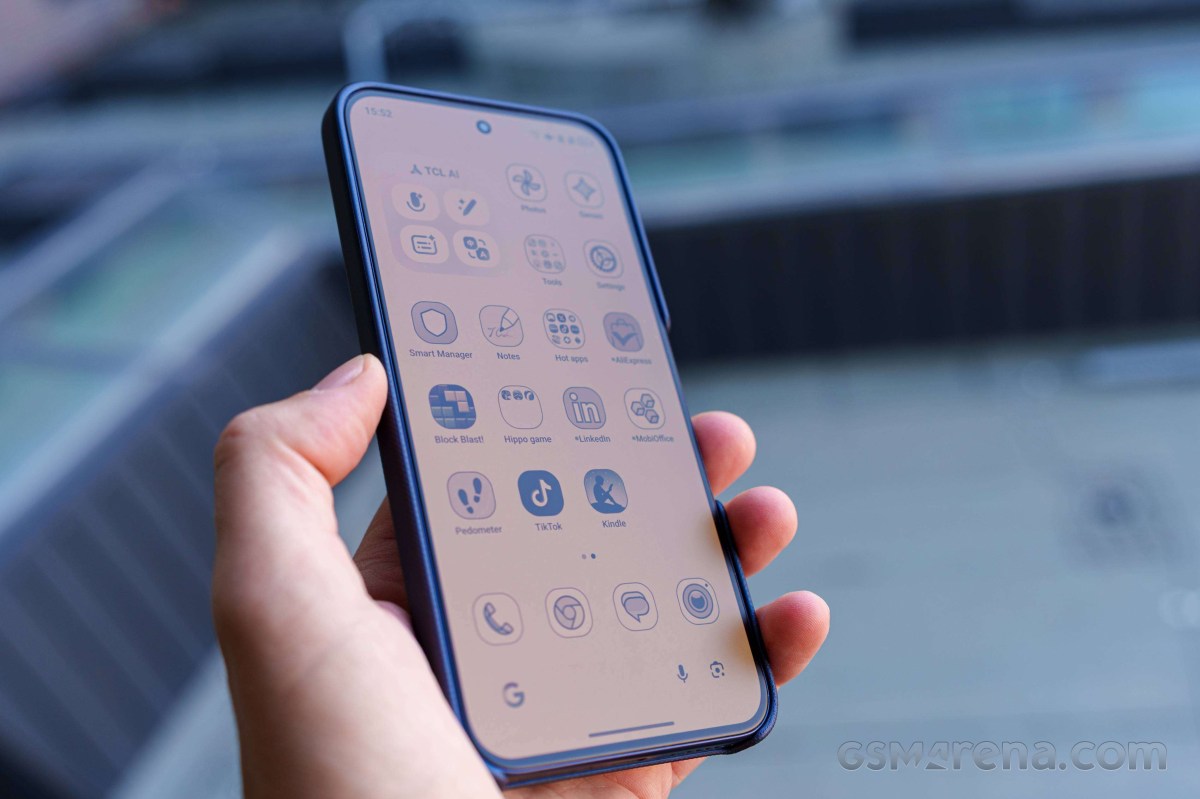
"Paper Mode" acts as the middle ground. It maintains the phone’s primary UI but renders it in a monochrome, paper-like format. Critically, TCL allows for app-specific exceptions; for instance, users can configure the YouTube app to automatically revert to color mode when opened, providing the best of both worlds without requiring the user to flip the physical switch constantly.
Hardware and Ergonomics
The build quality reflects a shift in TCL’s design philosophy. The unboxing experience—including a premium braided USB cable and a high-quality textured case—signals that this is not a budget afterthought. The 5,800mAh battery provides a reliable backbone for the high-brightness AMOLED panel, and the device’s matte finish significantly reduces glare in direct sunlight, providing better outdoor legibility than conventional glass displays.
Official Responses and Industry Context
TCL has marketed the P80 Ultra as a response to the growing consumer demand for "calm technology." In various briefings, the company has highlighted that the NxtPaper display isn’t just about reading; it’s about reducing the psychological fatigue caused by blue light exposure and constant visual stimulation.
Critics, however, have pointed out that the anti-glare finish inherently impacts viewing angles, which are narrower than those of a traditional flagship smartphone. TCL’s response is pragmatic: they emphasize that the reduction in reflections and the tactile comfort of the matte surface are significant net positives that outweigh the loss of extreme-angle visibility.
Implications for the Mobile Industry
The P80 Ultra is a proof-of-concept that may well dictate the next trend in hardware design. If consumers respond positively to the hybrid NxtPaper display, we may see a migration away from the "glossy-at-all-costs" aesthetic that has defined smartphones since the iPhone’s inception.
The Shift Toward Intentional Design
The physical slider is perhaps the most important innovation here. It introduces "intent" back into the user experience. By forcing a physical action to change the display mode, TCL is encouraging users to be mindful of how they are using their device—shifting from an "always-on" consumption state to a "focused" reading state.
Market Positioning and Pricing
By pricing the P80 Ultra at under €600, TCL is effectively undercutting the premium market while offering a feature—the NxtPaper display—that no other manufacturer currently provides. The decision to offer a massive 512GB of storage for only €50 more than the base model is a calculated move to capture users who want a device that can hold a vast library of e-books, audiobooks, and media files without the need for cloud-dependent storage.
Long-term Outlook
The success of the P80 Ultra will likely hinge on software refinement. While the hardware is arguably ahead of the curve, the ecosystem—specifically the book reader app—requires further development to meet the standards of dedicated e-readers like Kindle or Kobo. If TCL can refine its search algorithms, improve library management, and perhaps open the API to third-party developers, they may create a new category of "hybrid-lifestyle" devices.
Ultimately, the TCL P80 Ultra is a bold experiment. It does not attempt to compete with the sheer horsepower of a top-tier gaming phone; instead, it offers a sophisticated, thoughtful alternative for users who are weary of the constant, high-intensity bombardment of modern mobile displays. In a market where every phone looks and acts the same, TCL has managed to do something truly difficult: they have made the smartphone interesting again. Whether this becomes the new industry standard or remains a niche masterpiece will depend on how much the average user values comfort over pure, raw, reflective intensity. For now, the P80 Ultra stands as a testament to the fact that there is still room for innovation in the palm of our hands.