The Future of the Open Web: A Comprehensive Preview of WordCamp Europe 2026
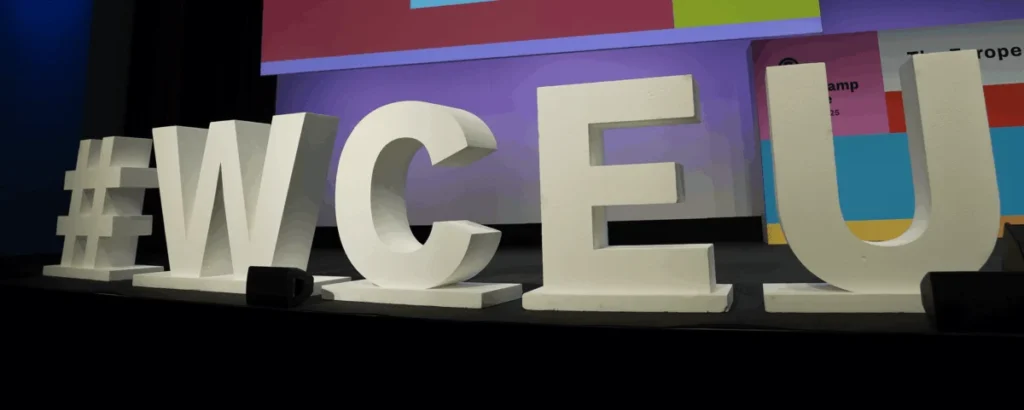
The global WordPress community is preparing for its most anticipated annual gathering. From June 4–6, 2026, the historic and vibrant city of Kraków, Poland, will host WordCamp Europe (WCEU) 2026. Held at the state-of-the-art ICE Kraków Congress Centre, the event serves as a focal point for the open-source project, bringing together developers, content creators, business owners, and educators to define the trajectory of the world’s most popular content management system (CMS).
As WordPress continues to evolve into a multifaceted ecosystem—spanning enterprise-grade infrastructure to individual creative endeavors—WCEU 2026 arrives at a critical juncture. With the rapid integration of artificial intelligence, shifting search engine landscapes, and the increasing demand for high-performance, accessible digital experiences, this year’s conference is designed not just to showcase current capabilities, but to architect the future of the open web.
Main Facts: The Intersection of Community and Innovation
WordCamp Europe 2026 is structured to facilitate deep engagement across three primary tracks: a dedicated Contributor Day, followed by two days of intensive conference sessions, workshops, and panels. The event is an expansive exploration of the WordPress project’s reach.
The program encompasses a wide array of topics, including:
- Technical Advancement: Deep dives into WordPress 7.0 and modern development practices.
- Strategic Growth: Insights into business sustainability and product-market fit.
- The AI Frontier: Practical applications of agentic AI and automated workflows.
- Digital Inclusion: Progressive methodologies in accessibility and inclusive design.
- Knowledge Preservation: The evolving role of documentation and communication in an AI-dominated information landscape.
By integrating these diverse pillars, WCEU 2026 aims to bridge the gap between high-level architectural shifts—such as the adoption of WordPress by massive institutions—and the day-to-day needs of freelancers and small business owners.

Chronology: A Three-Day Roadmap
The event follows a carefully curated schedule designed to maximize collaborative output and learning.
June 4: Contributor Day
The conference begins with the heart of the WordPress project: Contributor Day. This is where the open-source spirit comes to life. Contributors from around the world will gather to work on the core software, improve documentation, refine accessibility features, translate interfaces into local languages, and support the various community teams that keep the project running. It is a day of hands-on participation, where the barrier between user and creator is effectively dissolved.
June 5–6: Conference Days
The subsequent two days shift focus toward knowledge dissemination and strategic vision. The mornings will be anchored by keynote presentations, followed by a rigorous schedule of breakout sessions, interactive workshops, and panel discussions. Attendees will have the flexibility to curate their own experience, choosing between technical sessions aimed at developers or business-focused tracks for agency leads and site owners.
Supporting Data: WordPress at Institutional Scale
A major highlight of this year’s program is the opening keynote featuring representatives from CERN, the world’s largest particle physics laboratory. The migration of over 800 websites to a centralized, customized WordPress Service is a testament to the platform’s scalability and security.
This case study provides compelling data for enterprise stakeholders. It demonstrates that WordPress is no longer merely a blogging tool; it is a robust framework capable of supporting high-traffic, high-security, and high-complexity environments. By analyzing the governance and infrastructure requirements of the CERN project, attendees will gain a clearer understanding of how to manage large-scale digital transformations.

Official Perspectives: Shaping the Future
The keynote lineup for WCEU 2026 is designed to provide a macro-view of the ecosystem.
The Institutional Shift: CERN’s Vision
Joachim Valdemar Yde and Francisco Borges Aurindo Barros will present the technical and organizational strategies behind the CERN migration. Their talk is expected to address critical questions regarding multi-site management, security at scale, and the challenges of institutional governance within an open-source framework. This session is poised to be a benchmark for how other large organizations can leverage WordPress for future-proof web operations.
The Closing Reflection: Matt Mullenweg
As has become tradition, WordPress co-founder Matt Mullenweg will deliver the closing keynote. This session is historically the most anticipated moment of the conference, often serving as a barometer for the project’s health and a roadmap for the coming year. Mullenweg’s address will connect the dots between the technical advancements discussed throughout the week and the broader philosophy of the open web. In an era where proprietary walled gardens are encroaching on internet freedom, the conversation regarding WordPress’s role in maintaining an open, decentralized web will be of paramount importance.
Implications: Navigating the New Web Landscape
The themes identified for WCEU 2026 reveal the major challenges and opportunities facing the web today.
The Evolution of Search
The "Search, Visibility, and Discovery" track addresses the paradigm shift caused by generative AI. As search engines transition from providing lists of links to providing "answers," publishers and SEO professionals must adapt. The sessions on Generative Engine Optimization (GEO) and AI-assisted discovery are not merely technical topics; they are survival strategies for the modern digital economy.

AI as a Force Multiplier
Artificial intelligence is the recurring theme of 2026. Rather than viewing AI as a monolithic threat, the conference program frames it as a tool for efficiency. From Vito Peleg’s exploration of "Agentic AI" to practical marketing advice from experts like Monika Dimitrova, the focus is on augmenting human capability rather than replacing it. The implication is clear: the most successful WordPress professionals in the coming years will be those who master the integration of AI into their existing workflows.
Resilience Through Security
Security remains a cornerstone of the event. As headless WordPress architectures become more prevalent, the security surface area changes. The technical sessions focusing on API security and AI-assisted threat detection highlight the proactive stance required to maintain a secure environment in an increasingly hostile threat landscape.
Sustainable Growth
For the business-minded attendee, the focus on "Atomic Product-Market Fit" and ROI mapping represents a shift toward maturity. The WordPress ecosystem is maturing, and with that maturity comes a need for professionalized business metrics. The inclusion of these topics suggests that the community is increasingly focused on the longevity of the businesses that power the WordPress economy.
Conclusion: Why Kraków Matters
WordCamp Europe 2026 is more than a conference; it is a collaborative workshop for the future of the internet. By gathering in Kraków, a city defined by its resilience and rich history, the community is positioned to reflect on where it has been and where it is going.
The breadth of the program—from the technical nuances of the Abilities API to the high-level philosophical debates about the open web—ensures that every attendee, regardless of their role or expertise, will find actionable insights.

For those unable to attend in person, the commitment to live-streaming ensures that the knowledge shared will be accessible to the global community. However, for those who can make the journey to the ICE Kraków Congress Centre, the value lies in the human connections made in the hallways, the collaborative spirit of the Contributor Day, and the shared realization that WordPress is a project built by people, for people.
As we look toward June 2026, the message is clear: the future of WordPress is bright, complex, and deeply committed to the principles of open access and community-driven innovation. Tickets are currently available, and the schedule is live for those looking to plan their experience. Kraków is ready to host a defining chapter in the history of the web—the only question remaining is how you will contribute to the next evolution of WordPress.