WordPress 7.1 "Mary Lou" Released: A Milestone in Design Flexibility, Collaboration, and Browser-Based Performance
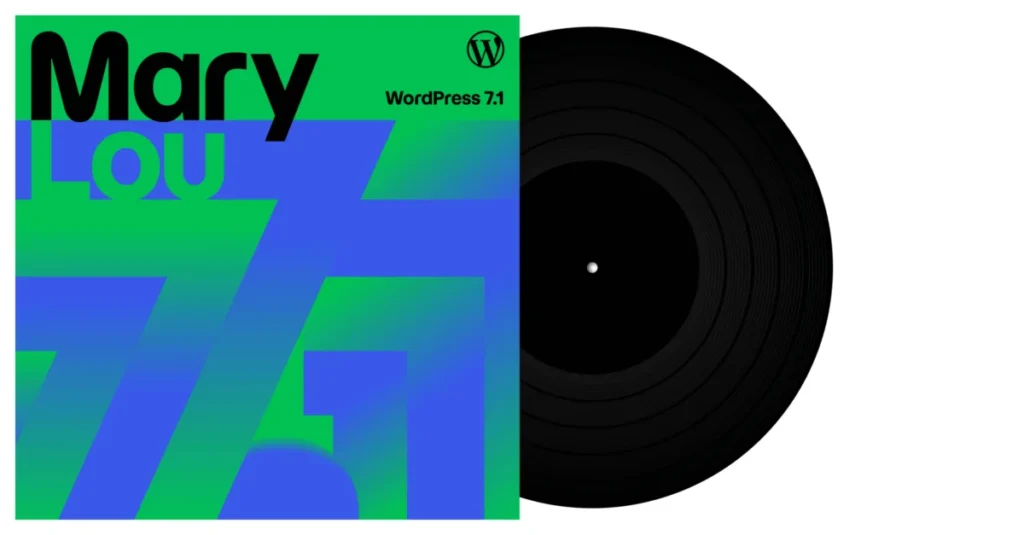
LOS ANGELES, CA — The WordPress open-source project has officially announced the global launch of WordPress 7.1, code-named “Mary Lou.” Honoring the legacy of pioneering jazz pianist, arranger, and composer Mary Lou Williams, this latest software iteration bridges the worlds of artistic reinvention and robust technical architecture.
Carrying forward a tradition of dedicating major releases to iconic musicians who transformed their fields, WordPress 7.1 introduces a sweeping array of features aimed at streamlining content management, elevating design control across multi-device viewports, improving collaborative feedback loops, and shifting heavy computational workloads directly to the browser.

Developed by a cross-functional release squad and supported by a global community of more than 800 contributors—including over 170 first-time participants—the new release delivers upwards of 1,500 enhancements, bug fixes, and developer-focused APIs.
Main Facts: What’s New in WordPress 7.1
WordPress 7.1 focuses heavily on user experience, removing the friction points typically associated with digital publishing, site architecture, and team workflows. Key feature highlights include:

- Persistent Admin Bar: The WordPress admin bar now remains consistently visible across the entire administration and editing experience. Whether drafting a post or fine-tuning global site templates, core tools remain instantly accessible.
- Native Responsive Styling Controls: Users can apply viewport-specific styling modifications directly within the Site Editor and Global Styles interface without relying on custom CSS or third-party plugins.
- Unified Media Editor: Image manipulation has been overhauled. A dedicated modal window combines freeform cropping, aspect-ratio adjustments, horizontal and vertical flipping, precise rotation, and metadata editing into a single consolidated workflow.
- Advanced Inline Collaboration: The platform’s Notes functionality has evolved to support rich-text formatting (bolding, italics, code blocks, and hyperlinks) alongside
@mentionsto notify specific team members, complete with multi-conversation support and collapsible margins. - In-Browser Media Processing: Utilizing a WebAssembly build of
libvips, WordPress 7.1 shifts image compression, resizing, and thumbnail generation directly to the client browser, mitigating server memory limits and upload timeouts. It also introduces out-of-the-box support for modern formats like AVIF, HEIC, and HDR gain maps. - New Native Blocks: Two new additions—the Playlist block (featuring interactive audio waveforms) and the Tabs block (for organizing dense information into clean, navigable panels)—expand default capabilities without adding plugin bloat.
Chronology of Development: From Concept to Launch
The journey toward WordPress 7.1 followed a carefully structured release cycle typical of modern WordPress core development, balancing community-driven feature proposals with rigorous beta testing phases.
Early 2026: Conceptualization and Naming
As previous development cycles concluded, core contributors began mapping out the roadmap for the mid-2026 release. Emphasizing Mary Lou Williams’ historical role in Harlem during the 1940s—where she turned her apartment into a nightly crucible for jazz innovators like Thelonious Monk and Dizzy Gillespie—the release squad adopted her ethos of collaboration and continuous reinvention as the guiding philosophy for version 7.1.

Mid-2026: Feature Freezes and Beta Testing
Throughout the spring and early summer of 2026, core teams pushed major architectural changes through GitHub repositories and the Make WordPress Core blog. The introduction of the public SVG Icon API and the expansion of the Abilities API (building on frameworks established in version 6.9) underwent intensive testing by developer communities. Simultaneously, accessibility squads worked to integrate wp_get_tooltip() and wp_get_toggletip() functions across admin interfaces.
August 2026: General Availability
Following successive beta and release candidate phases, WordPress 7.1 reached general availability in August 2026. Day-one statistics revealed exceptional international adoption, with more than 20 locales fully translated at launch—marking one of the most comprehensive simultaneous multi-lingual rollouts in the platform’s history.

Supporting Data and Technical Metrics
The scale of WordPress 7.1 reflects the sheer velocity of its open-source contributor ecosystem. Quantitative metrics highlighting the release include:
- Global Contributor Count: Over 800 individual contributors hailing from dozens of countries participated in testing, writing documentation, and pushing code.
- New Talent Integration: More than 170 individuals contributed to WordPress core for the very first time during the 7.1 development cycle.
- Ticket Resolution: More than 1,500 distinct enhancements, feature requests, and bug fixes were merged into core.
- Localization Reach: Over 20 languages achieved 100% translation status on launch day, ensuring that millions of users worldwide could access the software in their native tongue immediately.
- Performance Offloading: By shifting thumbnail generation and image compression to WebAssembly in the browser, server overhead for media-heavy sites is projected to drop significantly, cutting down common HTTP 504 gateway timeouts on shared hosting environments.
Official Responses and Community Perspectives
Leadership within the WordPress project emphasized that version 7.1 is designed to empower both non-technical creators and enterprise-level developers.

"Every release is an opportunity to look at how people actually build for the web and ask how we can make that experience more intuitive," noted lead project figures during the rollout. By honoring Mary Lou Williams, the project sought to underscore that software development, much like jazz, relies heavily on listening, adapting, and building upon the ideas of others.
Developers have praised the formalization of the SVG Icon API, which allows third-party agencies and plugin creators to register custom icon collections cleanly using functions like wp_register_icon_collection() and wp_get_icon(). Furthermore, the evolution of the Abilities API has drawn high praise from the engineering community, providing a standardized, filterable execution lifecycle that paves the way for advanced AI integrations and automated workflows.

Theme authors have likewise welcomed the integration of responsive pseudo-state styling (hover, focus, focus-visible, and active states) directly into theme.json, reducing the need for cumbersome external stylesheets.
Implications for Site Owners, Editors, and Developers
The release of WordPress 7.1 carries profound implications across the entire web publishing ecosystem:

For Content Creators and Editors
The upgraded editing experience—featuring persistent navigation via the universal admin bar and granular inline commenting—transforms WordPress into a viable alternative to dedicated proprietary document-collaboration tools. Writers and editors can now debate phrasing, assign tasks via @mentions, and review text-level feedback without breaking their creative stride.
For Site Administrators and Agencies
The browser-based media pipeline solves a long-standing pain point for sites dealing with high-resolution smartphone photography. Native support for HEIC, AVIF, and HDR gain maps, coupled with client-side image compression, means administrators no longer need to install specialized server modules or heavy optimization plugins just to maintain acceptable site speeds.

For Enterprise Developers
The expansion of the Design System, complete with semantic design tokens and the ThemeProvider React component, allows developers to build custom administrative interfaces that look, feel, and behave natively within WordPress. Combined with the refined DataViews and DataForm screens, enterprise teams can construct highly customized editorial dashboards with unprecedented ease.
Looking Ahead
As WordPress 7.1 rolls out across millions of web servers worldwide, the community’s focus shifts immediately toward ongoing support, translation finalization, and future feature planning. Educational resources, including instructional videos and interactive workshops, are already live on Learn WordPress, while detailed developer notes remain accessible via the WordPress 7.1 Field Guide.

For organizations and individuals looking to participate in shaping subsequent iterations, the global WordPress contributor community offers numerous entry points across design, core development, accessibility, and documentation through the official Make WordPress portal.