The Generative Pivot: How YouTube is Leveraging AI to Democratize Video Production and Influence
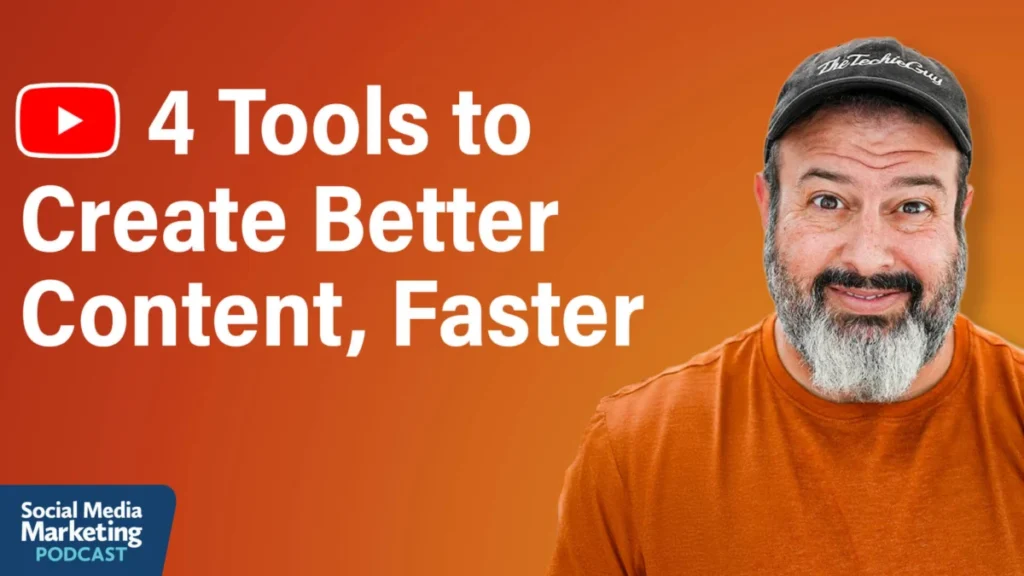
In an era where digital attention is the primary currency, YouTube is undergoing a fundamental transformation. No longer just a video-hosting repository, the platform is rapidly evolving into a full-stack creative suite powered by artificial intelligence. For years, the barrier to entry for high-quality video content was high, requiring expensive equipment, professional editing software, and significant time. However, YouTube’s latest suite of tools—ranging from AI-animated stills to Gemini-powered partnership platforms—signals a shift toward "frictionless production."
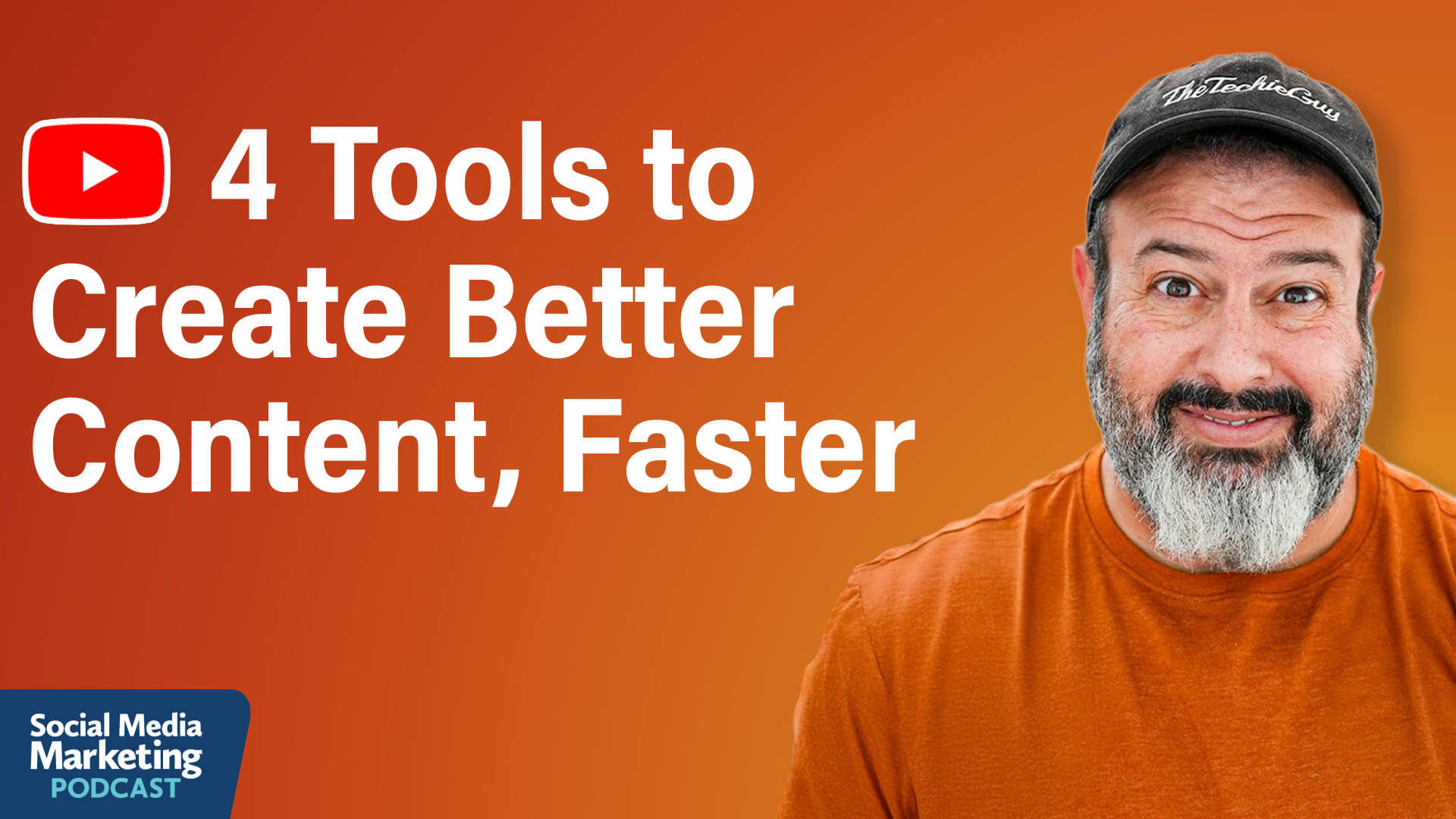
As small businesses and independent creators find themselves stretched thin across multiple social platforms, YouTube’s new features aim to scale human creativity rather than replace it. According to YouTube strategist Liron Segev, who recently discussed these updates with Michael Stelzner and Jerry Potter, the governing principle is clear: "Ideation still matters most. The tools lower the cost of execution, but the thinking still has to come from you."
I. Main Facts: The Four Pillars of YouTube’s New AI Ecosystem
The recent updates to the YouTube ecosystem are categorized into four primary functional areas designed to enhance content creation, engagement, and monetization:
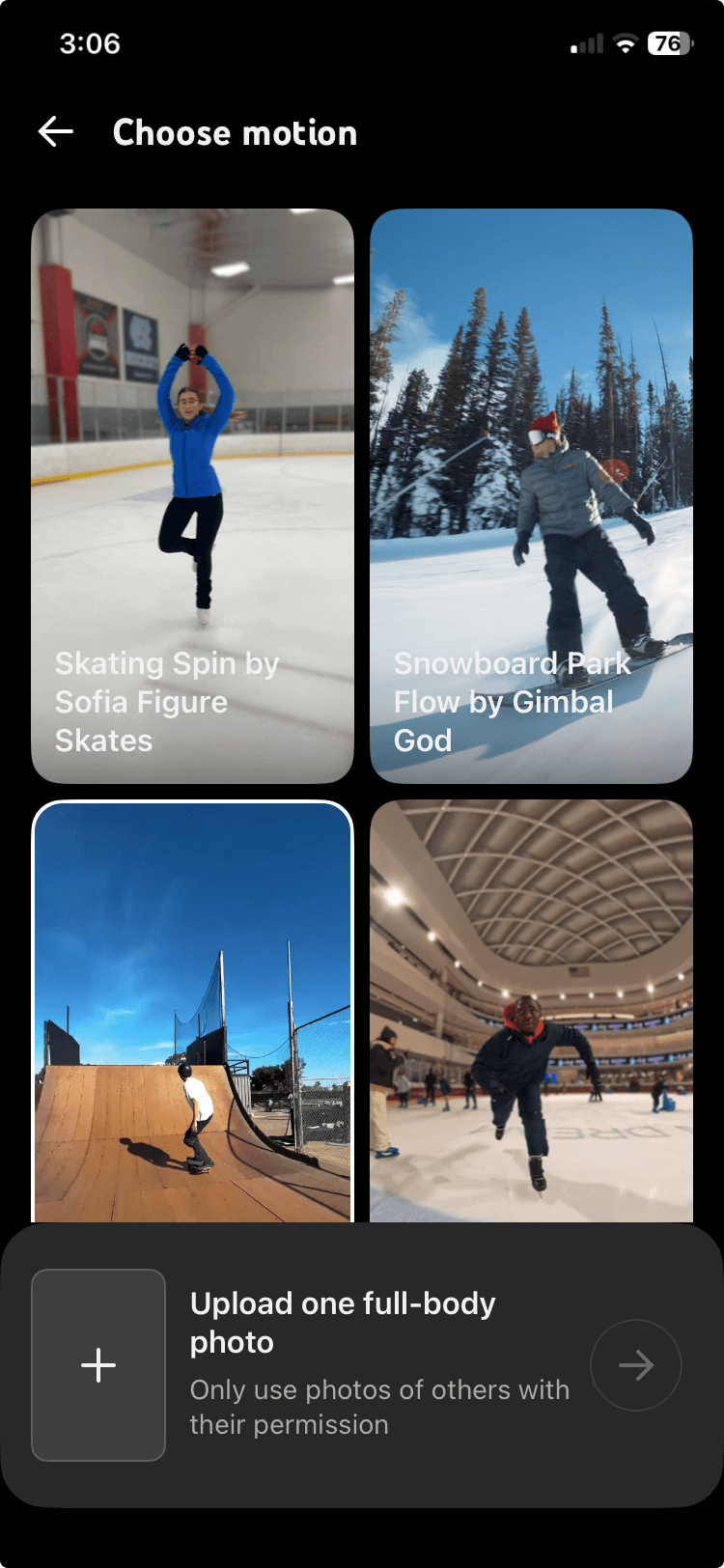
- Add Motion: A generative AI tool that converts static imagery into eight-second video clips for YouTube Shorts, effectively bridging the gap between photography and videography.
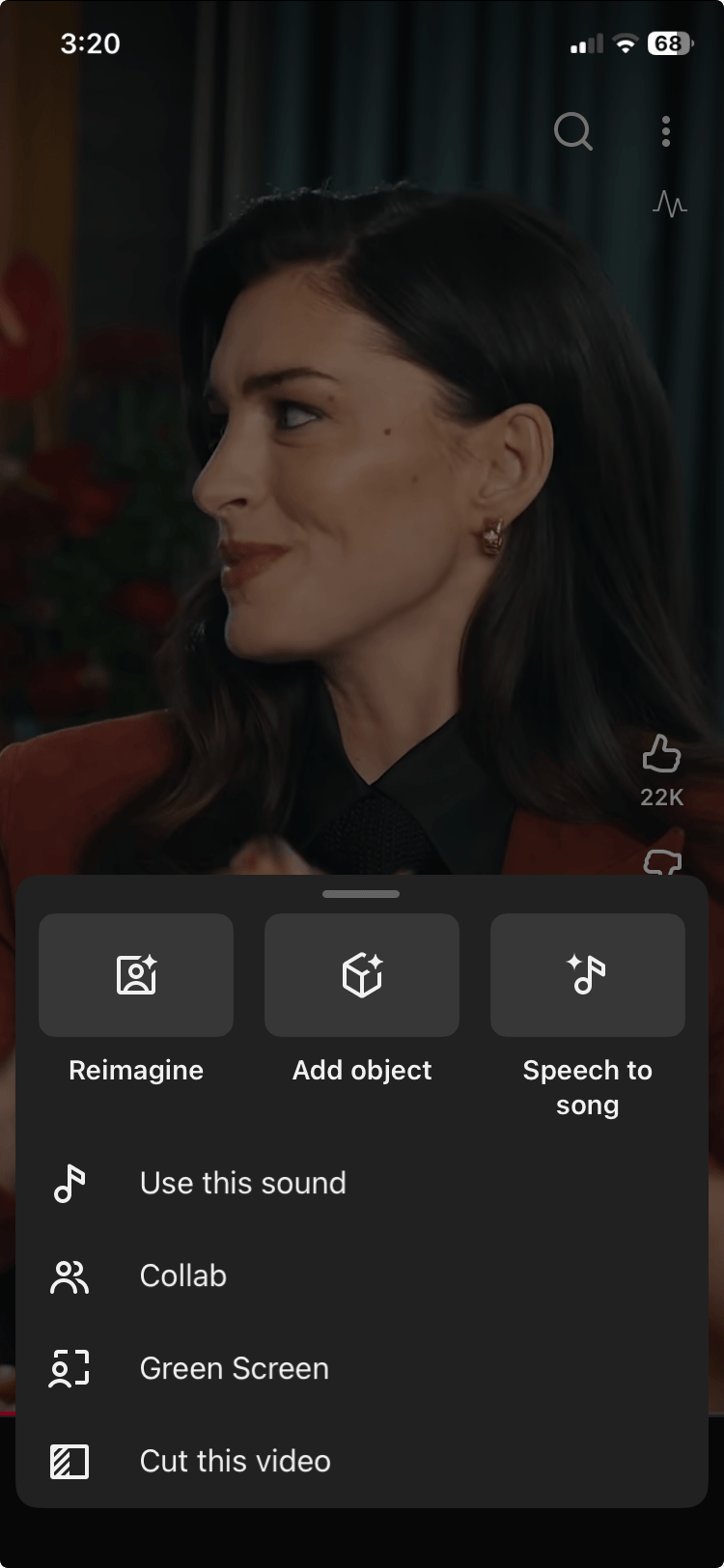
- Reimagine: An advanced remixing tool that allows creators to use AI to transform existing frames from other Shorts into entirely new visual contexts.
- Voice Replies: A mobile-integrated feature that permits creators to respond to comments with 30-second audio clips, complete with automatic transcriptions.
- YouTube Creator Partnerships: A reimagining of the "Brand Connect" platform, now integrated with Google Gemini to facilitate data-driven matches between brands and influencers.
These tools are not merely cosmetic; they represent a strategic attempt by Google to maintain YouTube’s dominance against short-form competitors like TikTok and Instagram Reels by reducing the technical overhead required to stay relevant in a fast-moving feed.
II. Chronology: From Hosting Site to AI Creative Partner
The rollout of these features follows a deliberate timeline of AI integration that began in late 2023 and accelerated through 2024.
- Phase 1: The AI Foundation (Late 2023): YouTube began testing "Dream Screen," allowing creators to generate AI backgrounds for Shorts. This established the platform’s willingness to integrate generative assets directly into the creator workflow.
- Phase 2: Engagement Evolution (Early 2024): The introduction of Voice Replies signaled a shift toward "humanizing" the algorithm. By allowing creators to use their literal voice in the comments, YouTube sought to deepen community ties.
- Phase 3: The Scaling of Production (Mid-2024): "Add Motion" and "Reimagine" were introduced to solve the "blank page" problem. These tools targeted small businesses that possessed assets (photos) but lacked the resources to produce daily video content.
- Phase 4: The Enterprise Integration (Present): The integration of Gemini into the Creator Partnerships platform represents the current phase: using Large Language Models (LLMs) to solve the complex business problem of influencer discovery and ROI.
III. Supporting Data and Technical Deep-Dives
Turning Static Assets into Dynamic Shorts
The "Add Motion" tool is perhaps the most significant update for small business owners. Many enterprises, particularly in industries like real estate, construction, or culinary arts, have high-quality photography but zero video footage. By uploading a single image, the AI applies preset motion effects, zoom-ins, and ambient soundscapes.
This creates a "no-video Short." For businesses that are "camera-shy," this allows for a brand presence on the Shorts feed without requiring a person to stand in front of a lens. Furthermore, the tool includes a "Reverse Remix" capability: other users can grab a single frame from your Short and use "Add Motion" to create their own derivative content. Crucially, attribution remains intact, ensuring the original creator receives the traffic and credit.
The Nuance of AI Remixing
The "Reimagine" tool takes the concept of "Remixing" to a technical peak. It allows a creator to pause any Short, grab a frame, and use it as a visual foundation. However, expert Liron Segev warns against "lazy" execution. The data suggests that low-effort remixes—such as "green-screen" reactions where the creator simply points at another person’s content—are losing efficacy.
"If you haven’t said anything or added anything of value, that kind of remix erodes your brand’s reputation," Segev notes. The strategic use of Reimagine involves "Authority Jacking"—taking a viral clip and adding expert context that the original creator may have missed, thereby shifting the audience’s attention to your own expertise.
Voice Replies: The Friction vs. Connection Paradox
Voice Replies offer 30 seconds of audio engagement. While the feature provides a "warmth" that text cannot replicate, it introduces "listener friction." Because viewers often browse comments while the main video is playing, an audio reply requires them to pause the primary content.
For "faceless" brands, voice replies can feel jarring or out of place. However, for thought leaders and consultants, the data suggests that personalized audio responses create a significantly higher "memory attachment" than text. The key metric for success here is "energy matching"—ensuring the tone of the voice reply matches the sentiment of the user’s comment.
The Gemini-Powered Partnership Model
The evolution of Brand Connect into the Creator Partnerships platform is a major data play. With over 3 million channels in the pool, Google Gemini now analyzes:
- Audience overlap statistics.
- Organic brand mentions (identifying who is already talking about you).
- Sentiment analysis of creator communities.
YouTube’s internal data indicates that creators who opt into "Analytics Sharing" within this platform receive 60% more visibility and double the inquiry rate from brands. This transparency allows businesses to move away from "vanity metrics" (subscriber counts) and toward "performance metrics" (actual engagement and conversion data).
IV. Official Responses and Expert Perspectives
YouTube’s official stance, articulated through its Creator Insider channels and blog posts, emphasizes that these tools are designed to "amplify human creativity, not replace it." The platform is positioning itself as an assistant that handles the "grunt work" of production, allowing the creator to focus on the "hook" and the "story."
Liron Segev echoes this, providing a rigorous four-step due diligence process for brands looking to use the new AI partnership tools:
- The Ten-Video Test: Review the last ten videos through the eyes of your customer, not as a subject matter expert.
- Sentiment Audit: Scrutinize the comment section to see if the audience is genuinely engaged or merely passive.
- Integration Quality: Look at how the creator handles previous sponsorships. Do they feel like "interruptions" or "integrations"?
- Data Transparency: Only prioritize creators who have enabled full analytics sharing within the YouTube Studio environment.
Segev further emphasizes that influencer marketing on YouTube is moving toward a "multi-touch" model. "A single placement might generate awareness, but a series of contextually integrated mentions generates credibility," he explains. He advises brands to think in terms of three to five appearances with a single creator rather than a one-off transaction.

V. Implications: The Future of the Creator Economy
The implications of these updates are profound for the future of digital marketing.
1. The Rise of the "Hybrid" Creator: We are entering an era where the distinction between "video creator" and "photographer" is blurring. Small businesses can now maintain a high-frequency video presence using static assets, effectively lowering the cost of "staying top-of-mind."
2. The Democratization of Professionalism: Tools like "Add Motion" allow a local bakery to produce content that rivals the visual energy of a professional agency. This shifts the competitive advantage from those with the "biggest budget" to those with the "best ideas."
3. The Public Record of Engagement: Because Voice Replies are public and searchable, the "comment section" is becoming a secondary content feed. This encourages creators to treat community management as a form of "micro-content" production rather than just administrative upkeep.

4. AI-Mediated Trust: While Gemini can find the "statistical match" for a brand partnership, the "human match" remains the final hurdle. The reliance on AI for discovery means that creators must work harder to ensure their "human brand"—their values, tone, and personality—is clearly articulated so that the AI can categorize them accurately.
In conclusion, YouTube is not just adding "filters"; it is rebuilding the engine of content creation. For the marketer or small business owner, the message is clear: the technical excuses for not being on YouTube have vanished. The platform has provided the tools to scale attention; the burden now lies on the creator to provide the intention. As these tools continue to roll out globally, those who master the balance between AI efficiency and human authenticity will be the ones who dominate the next decade of digital attention.