The Great Kitchen Rebrand: Can India’s Direct-to-Consumer Premium Staples Outgrow Their Niche?
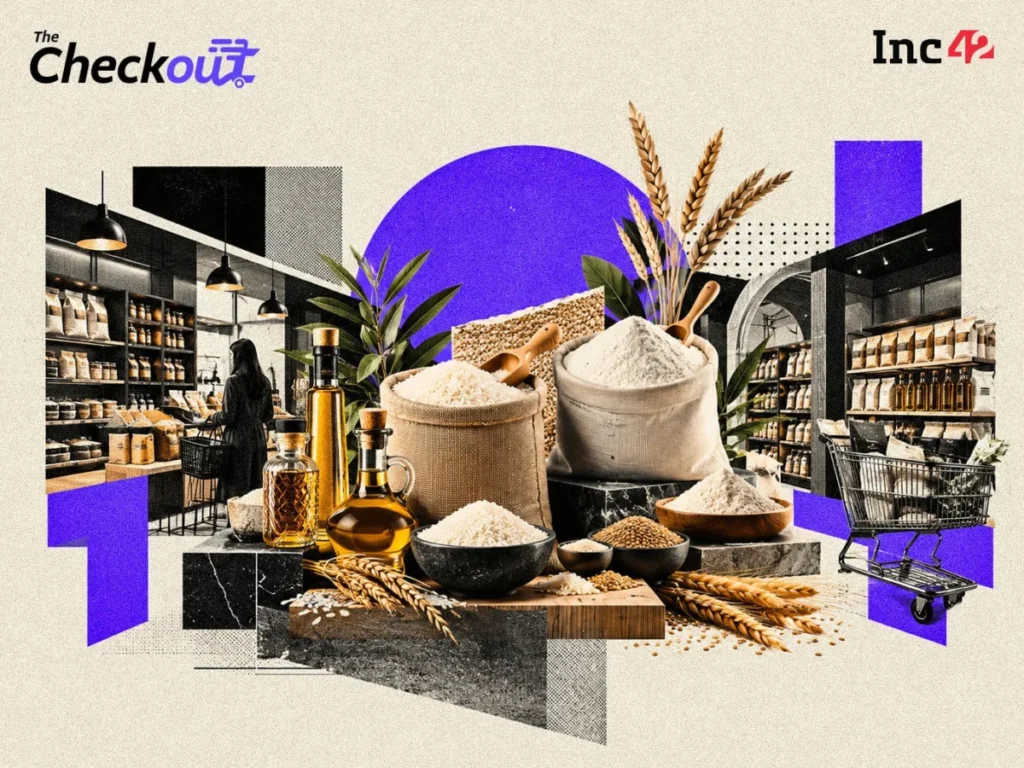
Atta, oil, ghee, salt. These foundational building blocks of the Indian kitchen have historically been treated as low-involvement commodities. For generations, households rarely paused to question the origins of their daily cooking oil or wheat flour. Today, however, a disruptive vanguard of direct-to-consumer (D2C) and new-age challenger brands is asking consumers to pause, reconsider, and ultimately rewrite their grocery lists.
By pitching products "back to the roots"—such as freshly stone-milled flours, traditional wood- and cold-pressed oils, and small-batch A2 cow ghee—these enterprises have ignited a movement. Yet, they face a foundational paradox: how do you convince a cost-conscious, habit-driven consumer base to fundamentally alter the bedrock of their daily nutrition at a significantly higher price point?
Main Facts: The Premiumisation Wave in Indian Kitchens
The modern Indian kitchen is undergoing a quiet revolution driven by three core pillars: taste, functional health benefits, and transparent sourcing. Brands like Anveshan, Barosi, Gramiyaa, Two Brothers Organic Farms, Khetika, Akshayakalpa Organic, Sid’s Farm, and KisaanSay are leading this charge.
However, getting a household to experiment with a new brand of cooking oil for a month is vastly different from establishing long-term brand loyalty. The primary friction point for these challengers is the deeply entrenched nature of culinary staples. Unlike personal care items or snacks, consumers rarely tinker with the basics of their daily diet.
Despite this psychological barrier, investor confidence remains remarkably high. Venture capital and debt funding rounds reported across players like Zoff, KisaanSay, Anveshan, Anmasa, Sid’s Farm, Doodhvale Farms, and Indic Wisdom crossed approximately INR 335 Cr in disclosed capital. This heavy financial backing is purposefully being deployed to build robust manufacturing capabilities, rigorous quality-testing laboratories, and resilient supply chains capable of delivering uniform quality across thousands of households.
At the same time, legacy giants are reacting. Traditional FMCG players are aggressively scaling their portfolios to capture the momentum. Tata Sampann surged past INR 1,500 Cr in FY26 revenue, registering a stellar 46% growth across its portfolio. Concurrently, brands like LT Foods’ Daawat introduced organic rice ranges, while Organic Tattva rolled out bulk-convenience packaging—such as three-litre cooking oil containers and one-litre A2 ghee packs—to capture better value and retain modern consumers.

Chronology: From Niche Sampling to Institutional Scale
Phase 1: The Quick Commerce Boom and Initial Sampling
In their earliest iterations, challenger brands leveraged modern trade channels and the explosive growth of quick-commerce platforms. These digital-first ecosystems allowed premium startups to bypass traditional, multi-layered distribution networks and directly place cold-pressed oils or artisanal ghee into the hands of urban, tech-savvy consumers.
Phase 2: The 2026 Funding Influx and Aggressive Revenue Targets
As customer acquisition channels matured, capital deployment accelerated dramatically. The first half of 2026 witnessed a wave of funding rounds that provided startups with the fiscal ammunition needed for large-scale procurement and localized distribution.
Consequently, revenue ambitions skyrocketed:
- Anveshan: Following its mid-year fundraise, the company reported an annual revenue run rate (ARR) of INR 280–300 Cr, setting its sights on crossing INR 1,000 Cr over the next 24 to 30 months.
- Khetika: Having recorded INR 247 Cr in FY25 revenue, Khetika outlined an aggressive ambition to hit INR 2,000 Cr within two to three years.
Phase 3: Regulatory Scrutiny and Market Maturation
By late 2026, the rapid scaling of clean-label and organic claims caught the attention of regulatory bodies. The Food Safety and Standards Authority of India (FSSAI) ramped up its oversight, issuing notices to at least 20 new-age food brands over advertising and labeling claims, underscoring the urgent need for verifiable transparency.
Supporting Data & Market Metrics
The financial and operational health of the premium staples segment can be evaluated through key reported figures:
- Total Disclosed Funding (2026): ~INR 335 Cr across multiple D2C food brands (including Zoff, Anveshan, Sid’s Farm, and Indic Wisdom).
- Tata Sampann FY26 Performance: Crossed INR 1,500 Cr in revenue, marking a 46% year-on-year growth.
- Anveshan Revenue Targets: Scaling from an ARR of INR 280–300 Cr toward a projected INR 1,000+ Cr milestone.
- Khetika’s Growth Trajectory: Moving from FY25 revenues of INR 247 Cr to a targeted INR 2,000 Cr medium-term goal.
- Customer Retention Benchmarks: D2C grocery startup Anmasa reported a roughly 50% repeat purchase rate within 90 days following its INR 30 Cr funding round, with repeat buyers contributing 70% of total direct-to-consumer revenues.
Official Responses and Industry Perspectives
The Investor View: Trust and Provenance as Moats
Industry leaders argue that commanding a premium requires more than slick packaging; it demands undeniable product integrity.

Pranav Pai, Founding Partner and Chief Investment Officer at 3one4 Capital, highlights four non-negotiable pillars for success:
- Provenance: A known, traceable source.
- Freshness: A genuine cold chain and shortened time-to-plate.
- Processing Integrity: Cold-pressing, clean labels, and zero adulteration.
- Functionality: Tangible health outcomes that the consumer can physically experience.
"Organic on its own tends to stall," cautions Pai, "because the difference is invisible in use while the price gap is large." However, he notes that physical supply chains, direct customer relationships, and uncompromising sourcing create natural moats that are difficult for competitors to replicate.
The Macroeconomic Reality Check
While premiumisation is undoubtedly gathering momentum, market analysts urge caution regarding its total addressable market (TAM).
Nikhil Sethi, Partner and Head of Consumer Goods at KPMG in India, notes: "Premiumisation is working, but the opportunity is often overstated. The number of households that can consistently spend meaningfully more on groceries remains relatively small, although this segment is growing quickly and has significant spending power."
Sethi further predicts a bifurcated market structure: "Large FMCG companies will increasingly create ‘mass-premium’ products that bring premium cues to a much larger audience, while specialist brands continue serving the top end of the market."
The Operator Perspective: Balancing Scale and Complexity
For operators on the ground, navigating logistics is an ongoing challenge. Arvind Mediratta, Founder and CEO of Elixiir Foods (operator of FreshTerra), points out the severe limitations of pure-play online models:

"High customer acquisition costs, repetitive ad spends, and courier logistics on bulky, heavy items force them to inflate retail prices simply to break even."
Similarly, Satyajit Hange, Co-founder of Two Brothers Organic Farms, emphasizes that consumer loyalty is earned meal after meal:
"The real test is whether the consumer comes back and makes it part of their routine. For a staple, the benefit has to matter at the next meal and the next grocery purchase."
Implications: The Path Forward for Premium Staples
As the dust settles on the initial wave of D2C disruption, the future of India’s premium staples market depends on navigating several structural realities:
- The Scrutiny of Claims: With regulatory bodies like the FSSAI aggressively auditing clean-label and organic marketing, brands can no longer rely on vague buzzwords. Scientific validation, batch-specific QR codes (such as those used by Gramiyaa), and laboratory test reports are becoming prerequisites for consumer trust.
- Omnichannel Realities: Pure-play digital distribution is giving way to hybrid models. To capture middle- and upper-middle-class households beyond metropolitan hubs, brands must integrate local retail discovery with quick-commerce fulfillment to optimize unit economics.
- Portfolio Expansion Challenges: When successful brands attempt to expand beyond a single category—such as branching out from ghee into flours and spices—they risk operational complexity. As Durlabh Rawat, Co-founder of Barosi, notes, expanding the kitchen basket can accelerate revenue growth toward the INR 1,000 Cr mark, but it demands meticulous supply chain discipline to protect product consistency.
Ultimately, the growth test for India’s premium grocery challengers is not merely about winning the first purchase through clever marketing. It is about proving that superior nutrition, transparent sourcing, and authentic taste are worth paying for—meal after meal, year after year.