The LinkedIn Content Architecture: How a Three-Tiered Funnel Drives Seven-Figure Revenue
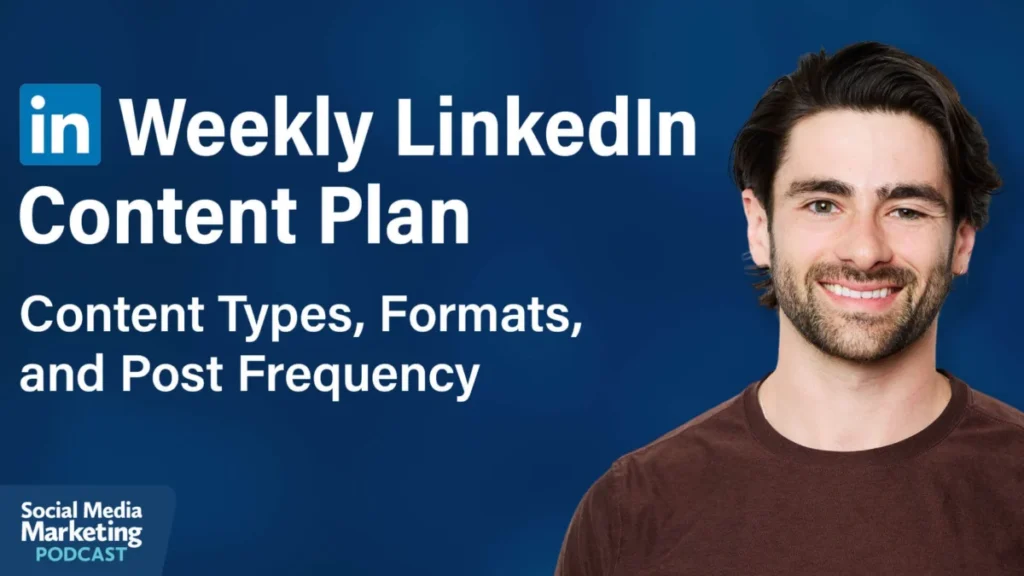
In the evolving landscape of digital B2B marketing, LinkedIn has transitioned from a static repository for professional resumes into a dynamic, high-yield lead generation engine. However, for many entrepreneurs and marketing professionals, the platform remains an enigma characterized by fluctuating engagement and a lack of clear ROI. According to Will McTighe, founder of WM Media and a leading LinkedIn strategist, the solution lies not in sporadic posting, but in a rigorous, funnel-based content architecture.
By implementing a specific "4-2-1" posting ratio—prioritizing awareness, then trust, and finally conversion—McTighe has demonstrated that LinkedIn can serve as the primary driver for business growth, with his own ventures currently on track to exceed $2 million in annual revenue. This report explores the mechanics of this content funnel, the data-driven formats that power it, and the strategic implications for the modern professional brand.
Main Facts: The 4-2-1 Content Architecture
The core of McTighe’s methodology is a three-part content funnel designed to move a stranger from initial discovery to a qualified prospect. This framework recognizes that not all content serves the same purpose; a post that goes viral for being "relatable" rarely converts a buyer, while a direct sales pitch to a cold audience often yields zero engagement.
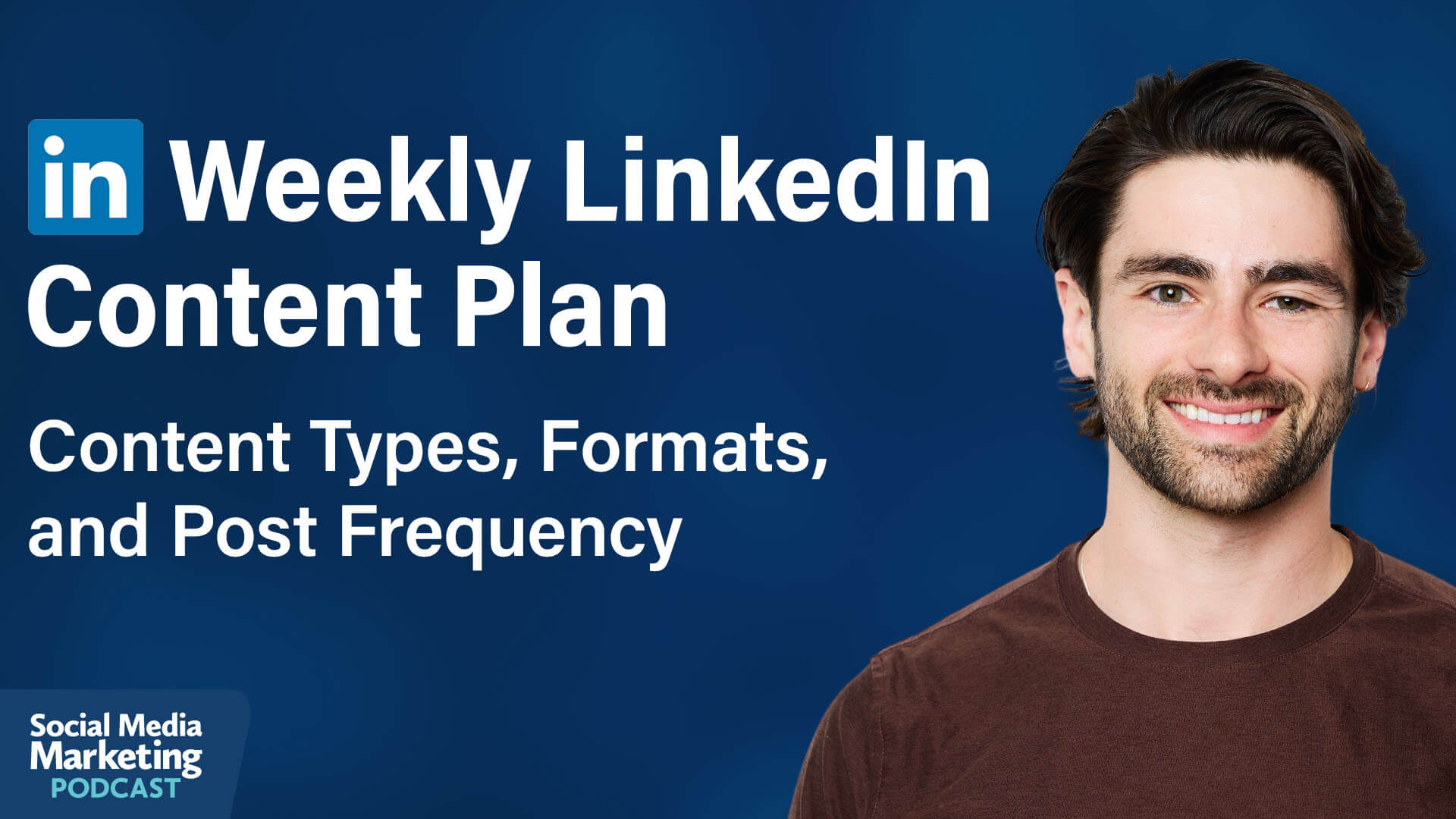
The strategy is built upon three distinct pillars:
- Awareness Content (The Top of the Funnel): Designed to attract new followers through educational value or broad relatability.
- Trust-Building Content (The Middle of the Funnel): Story-driven narratives that establish the creator’s authority and demonstrate their values.
- Lead Generation Content (The Bottom of the Funnel): Results-oriented posts that de-risk the purchase decision through case studies and social proof.
To maintain a healthy ecosystem, McTighe advocates for a weekly posting ratio of 4:2:1. Under this schedule, a creator publishes four awareness posts, two trust-building posts, and one lead generation post every seven days. This ensures that the audience is constantly being expanded and nurtured without being overwhelmed by aggressive sales tactics.
Chronology: From Digital Hesitation to Systematized Growth
The journey toward a successful LinkedIn strategy often begins with a significant psychological barrier: the fear of public visibility. McTighe notes that the primary obstacle for most professionals is not a lack of strategy, but the "fear of posting." In his early stages, McTighe treated the platform as a hobby, resulting in plateaued growth and inconsistent reach.

The turning point occurred when he shifted his perspective, treating LinkedIn content creation as a formal professional obligation rather than an extracurricular activity. This shift involved a period of intense trial and error, which McTighe describes as a "built-in mercy" of the platform; when content fails to resonate, the algorithm simply stops showing it, meaning the risk of public embarrassment is significantly lower than perceived.
Over a three-year period, McTighe’s strategy evolved from random updates to a data-backed system. By studying patterns of high-performing posts—both his own and those of industry leaders—he identified that consistency and format-specific optimization were the true catalysts for scaling. Today, his approach is highly systematized, utilizing AI-driven insights and a rigorous schedule to sustain a multi-million dollar revenue stream.
Supporting Data: Deciphering Format Performance and Algorithmic Trends
A critical component of the funnel’s success is the selection of the correct post format for each stage. McTighe’s research, which includes the analysis of over 100,000 LinkedIn posts, provides a clear hierarchy of what works on the platform today.
The Power of Visuals
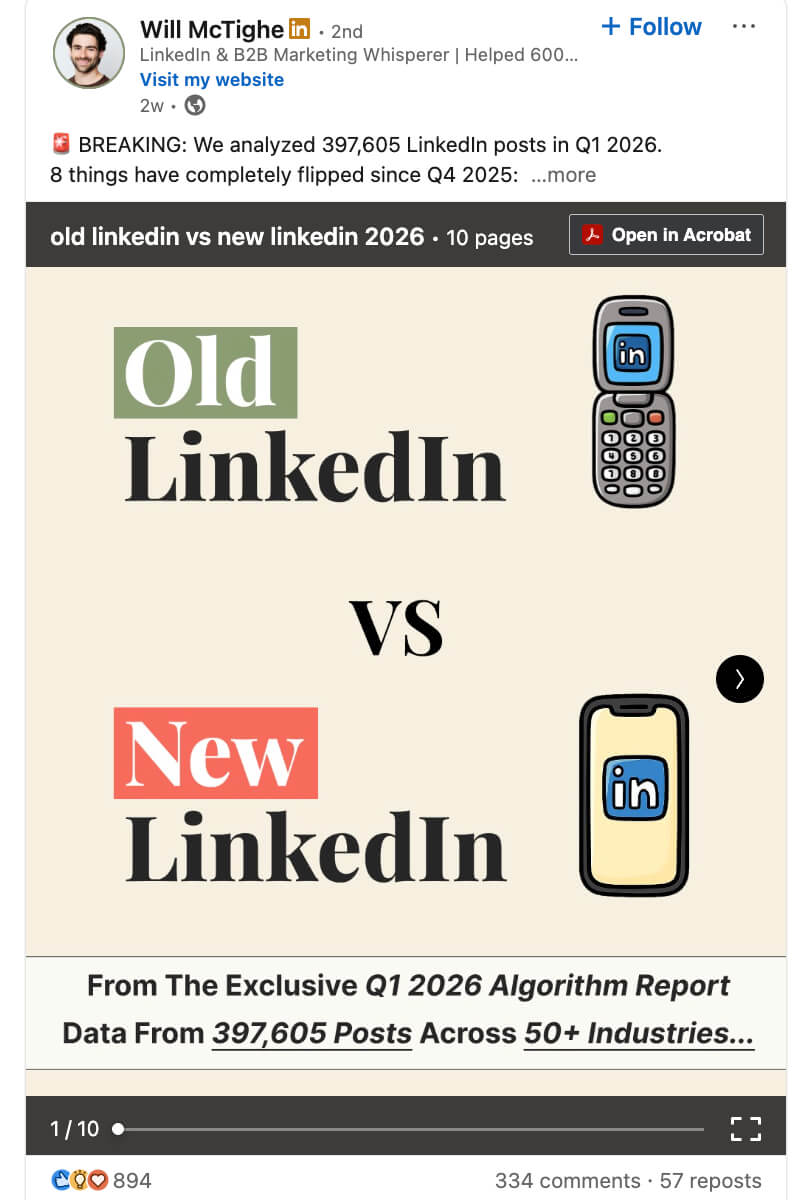
The data suggests a stark disparity between text-only posts and those accompanied by visual media. Infographics and carousels (document posts) are the highest-performing formats for awareness, frequently achieving viral reach. McTighe personally utilizes approximately four carousels per week to maintain growth.
Conversely, pure text posts have the lowest median performance. However, McTighe highlights a "Pro Tip" for text-heavy creators: adding a single, relevant image can more than double a post’s performance. The caveat is that the image must align specifically with the first two lines (the "hook") of the post. If an image relates to a point made deep in the text, it creates cognitive dissonance for the reader, leading them to scroll past.
The Link Distribution Myth
A common belief among LinkedIn creators is that including external links in a post will lead to an "algorithmic penalty," as the platform prefers to keep users within its ecosystem. McTighe’s analysis challenges this. His findings show that posts with links often outperform those without, not because the algorithm favors them, but because the links often lead to high-value resources. The resulting engagement (saves, shares, and dwell time) offsets any perceived distribution penalty.
Video: The Trust Multiplier
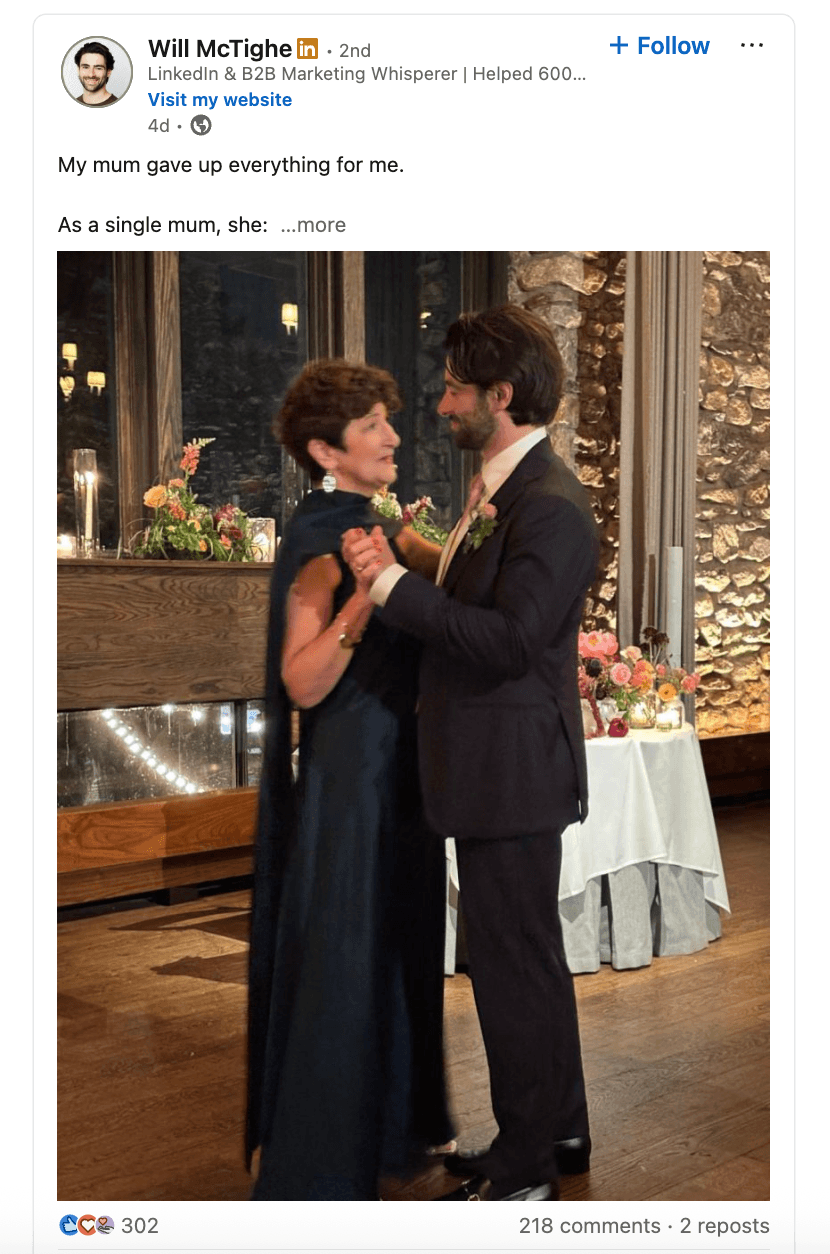
While video content often receives lower raw view counts compared to static images or carousels, its impact on the middle of the funnel is unmatched. Data indicates that video creates a sense of "familiarity" that static posts cannot replicate. Prospects who engage with video content are more likely to report a sense of personal connection with the creator during sales calls.
Official Responses: Expert Strategies for Each Funnel Stage
In a deep-dive collaboration with Michael Stelzner of Social Media Examiner, McTighe outlined the specific tactical requirements for each stage of the LinkedIn funnel.
Phase One: Engineering Discovery (Awareness)
For awareness content, McTighe identifies two subtypes:
- Educational Content: This is the primary driver for follower conversion. By reacting to industry news—such as a new software release or a regulatory shift—and providing a niche-specific perspective, creators establish themselves as a "must-follow" intelligence source.
- Broadly Relatable Content: These posts (e.g., discussing burnout or work-life balance) generate high engagement but fewer followers. To optimize these, McTighe suggests narrowing the focus to a specific demographic, such as "Chief Information Security Officer (CISO) burnout," to attract the ideal prospect rather than a generic audience.
Phase Two: Establishing Authority through Narrative (Trust)
Trust-building requires a shift from "what I know" to "who I am." McTighe advocates for a Story → Lesson → Application framework.
"The most common mistake is confusing a personal confession with a trust-building post," McTighe warns. A story about a personal struggle only builds trust if it concludes with an actionable lesson the reader can apply to their own life or business. He also emphasizes "authoritative hooks," such as "20 years of marketing experience in 60 seconds," which provide immediate justification for the reader’s time.
Phase Three: De-risking the Transaction (Lead Generation)
The final stage is about removing the perceived risk of a purchase. The most effective format here is the Transformation Case Study.
These posts should follow a specific arc: a massive outcome achieved in a short timeframe (e.g., "How Jimmy grew 10,000 followers in a week"). The narrative must frame the client as the hero, with the creator serving as the guide who provided the necessary tools. McTighe also recommends using "unfiltered" social proof, such as screenshots of Slack messages or raw video testimonials, which carry more authenticity than polished, corporate endorsements.
Implications: The Future of B2B Influence and AI Integration
The success of the 4-2-1 funnel suggests a broader shift in professional services and B2B marketing. As traditional advertising costs rise and email open rates fluctuate, the "personal brand" on LinkedIn is becoming a critical corporate asset.
The AI Advantage
A significant implication of McTighe’s strategy is the role of Artificial Intelligence in content production. He suggests using AI not just for writing, but for "mining" existing intellectual property. By feeding transcriptions of client calls into Large Language Models (LLMs) like Claude or ChatGPT, creators can identify powerful anecdotes and lessons they shared during the natural course of business. This allows for the creation of highly authentic, trust-building content without the "blank page" syndrome.
Scalability and Sustainability
The transition from a "content creator" to a "business owner" on LinkedIn requires a move away from chasing vanity metrics (likes and impressions) and toward a focus on the "Ideal Prospect." By mapping the specific pains and desires of a target audience before writing a single word, professionals can ensure that every post serves a strategic purpose.
Conclusion
Will McTighe’s framework provides a blueprint for turning a social network into a predictable revenue stream. The implication for the modern professional is clear: those who treat LinkedIn with the rigor of a traditional sales funnel—balancing awareness, trust, and conversion—will likely dominate their respective niches. In an era of digital noise, the combination of data-driven formatting and authentic storytelling remains the most potent tool for attracting and converting high-value prospects.