The New Ecosystem: Apple Unveils "Home Collection" to Revolutionize Residential Automation
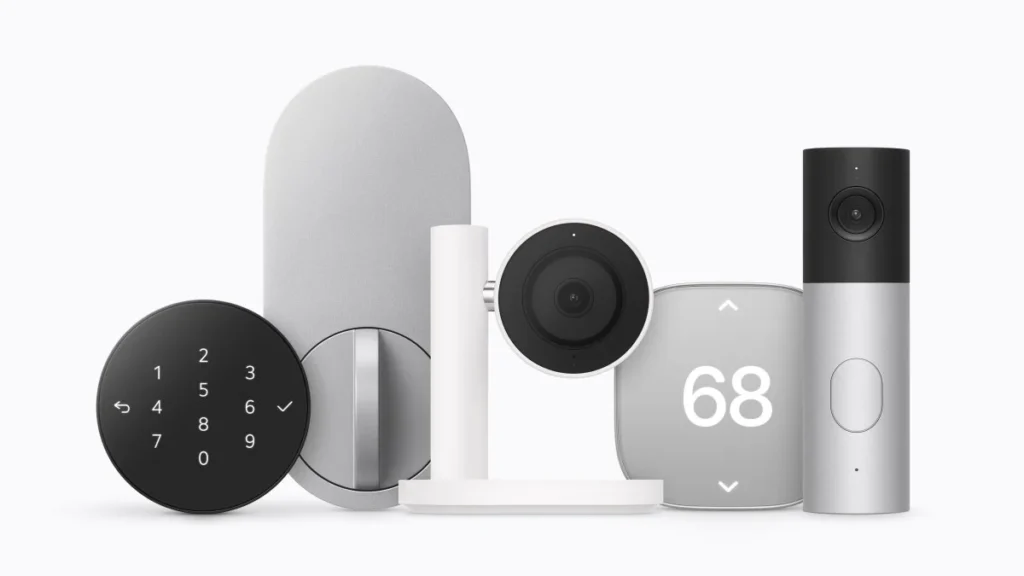
In a strategic expansion of its smart home footprint, Apple has officially unveiled the "Apple Home Collection," a robust suite of premium hardware accessories developed in close partnership with industry titans LG Electronics and Schneider Electric. This announcement, delivered alongside the debuts of the new HomeView smart display, a revamped Apple TV 4K, and the HomePod mini 2, signals a definitive shift toward a unified, privacy-first smart home ecosystem. By integrating hardware directly with Siri AI and the Apple Home app, the company aims to eliminate the fragmentation that has long plagued the smart home market.
Main Facts: A Unified Vision for the Smart Home
The Apple Home Collection is not merely a product launch; it is a foundational shift in how users interact with their domestic environment. By co-developing these devices with LG and Schneider Electric, Apple has ensured that the setup process is entirely frictionless. Every device in the collection features "Single-Tap" provisioning: simply bringing an iPhone near a device instantly connects it to the network without the need for third-party apps or the creation of external manufacturer accounts.
The collection covers three critical pillars of modern home automation: security, access, and climate control.
- Security & Monitoring: The lineup features four specialized cameras from LG, all boasting 2.5K resolution, sophisticated AI-driven object recognition (people, pets, vehicles, packages), and seamless iCloud+ integration for secure storage.
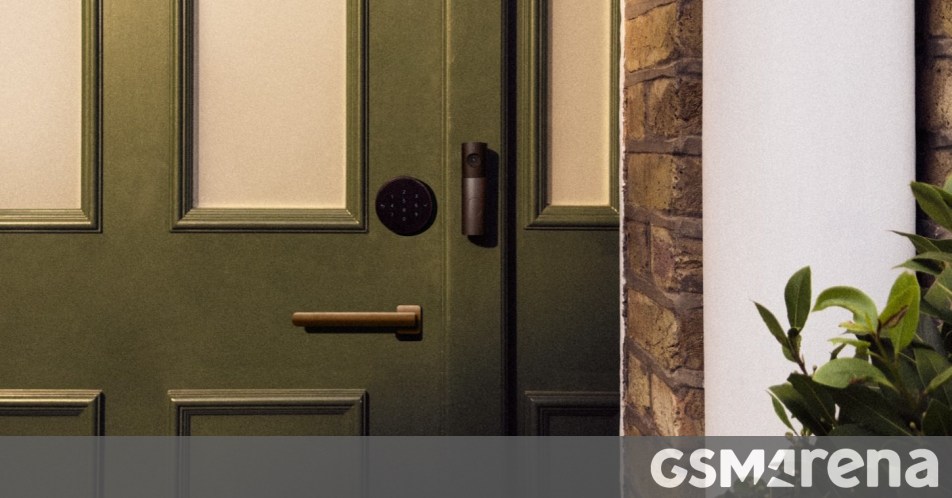
- Access Control: The LG Smart Deadbolt Lock introduces Ultra Wideband (UWB) technology, allowing for true "proximity unlocking."
- Climate & Environment: New smart thermostats from both LG and Schneider Electric, supported by standalone temperature and humidity sensors, offer an intelligent approach to HVAC management.
All devices in the collection utilize the Thread networking protocol, ensuring low-latency communication and self-healing mesh networking. Furthermore, the devices are designed for modern network management; should a user change their Wi-Fi credentials, the Home Collection devices update their network settings automatically, removing the tedious chore of manual reconfiguration.
Chronology: The Evolution of Apple’s Smart Home Strategy
Apple’s journey toward this comprehensive ecosystem has been deliberate and methodical.
- The Foundation (2014–2020): With the introduction of HomeKit, Apple established the framework for secure, local-first smart home communication. However, the reliance on third-party manufacturers resulted in varying degrees of implementation and UX friction.
- The Standardization Phase (2021–2025): The industry-wide adoption of the "Matter" protocol and the advancement of Thread networking provided the technical backbone necessary for today’s announcement. Apple spent these years refining its Private Cloud Compute and on-device processing capabilities.
- The Integration Phase (October 2026): The "Busy Day" at Apple culminated in the announcement of the HomeView display and the Home Collection. This move effectively closes the gap between Apple’s software ecosystem and the physical hardware required to make it useful.
- The Future (December 2026 – Early 2027): The first wave of products will hit store shelves in December 2026, with a secondary rollout scheduled for early 2027.
Supporting Data: Deep Dive into the Hardware Specs
The Surveillance Suite
The four cameras from LG are designed to act as a cohesive security network. All models support 2.5K video recording and benefit from Apple’s "Home Hub" architecture, which processes all AI-based recognition locally.
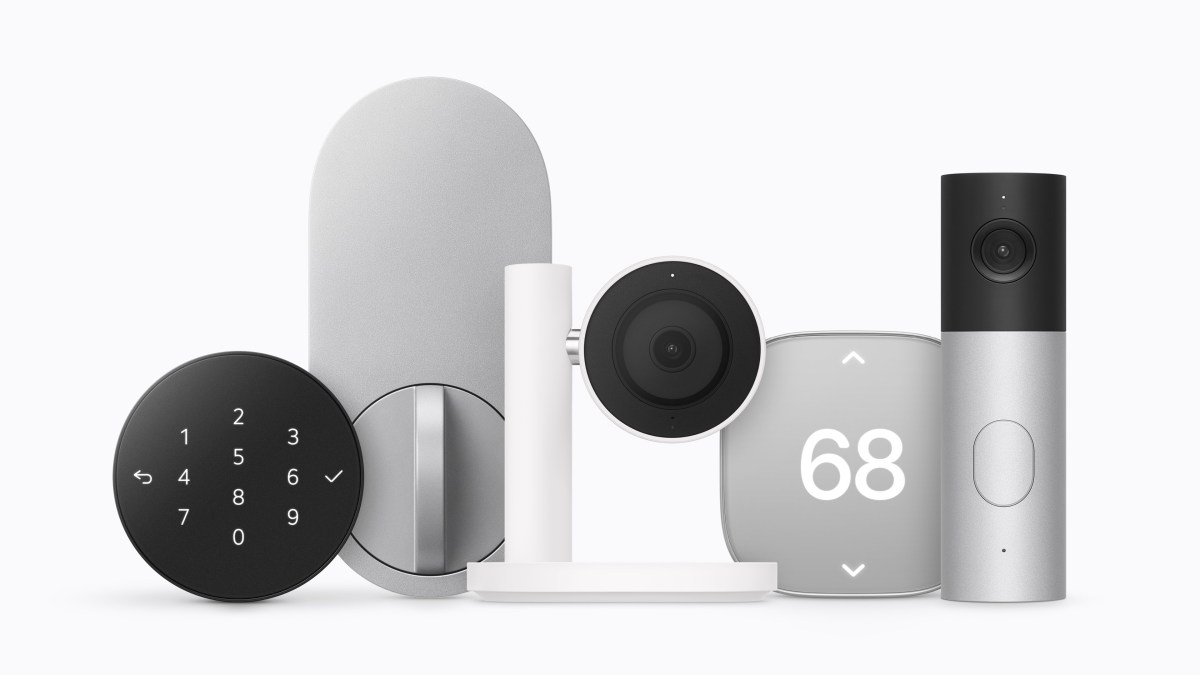
- LG Video Doorbell Wired: Features a dual-lens system. A primary 2.5K front-facing camera captures visitors, while a secondary Full HD camera is angled downward specifically to monitor packages. It integrates with the HomeView and HomePod ecosystem to act as a doorbell chime.
- LG Floodlight Cam: Equipped with dual adaptive floodlights that utilize motion-sensing triggers. It includes color night vision, ensuring high-fidelity footage even in low-light conditions.
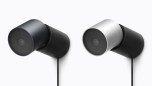
- LG Outdoor Cam Plug-In: Focused on versatility, this unit is designed for easy installation and precise angling, ideal for monitoring perimeters.
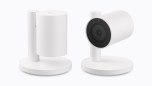
- LG Indoor Cam Plug-In: A privacy-conscious design featuring a 160-degree field of view. To provide peace of mind, the lens physically tilts upward into a "privacy mode" when the system detects that a household member has returned home.
The Smart Deadbolt
The LG Smart Deadbolt Lock is perhaps the most advanced piece of hardware in the set. It leverages UWB (Ultra Wideband) to calculate the exact distance between the user’s iPhone or Apple Watch and the door. The lock engages or disengages automatically, ensuring a seamless entry experience. It supports both Matter and Aliro standards, with core functionalities operating locally to ensure that security remains active even during an internet outage.
Climate Control Efficiency
The LG and Schneider Electric thermostats utilize "Adaptive Temperature" logic. By leveraging inputs from the HomeView, HomePod, and dedicated standalone room sensors, the system can determine precisely which rooms require heating or cooling. The Schneider Electric unit, in particular, features a sleek, bezel-less design with a translucent matte display, emphasizing aesthetic integration into the modern home.
Official Responses and Privacy Commitments
In a joint statement, Apple and its partners emphasized that privacy is the "operating system" of the Home Collection.
"The fundamental philosophy of the Home Collection is that your home data belongs to you, and only you," said an Apple spokesperson. "By using Private Cloud Compute and local processing on the Home Hub, we ensure that neither LG, Schneider Electric, nor Apple can access your camera footage or home usage habits."
This is a significant competitive differentiator. Unlike many competitors that require proprietary cloud subscriptions for video storage, the Apple Home Collection relies entirely on the user’s existing iCloud+ plan. This end-to-end encryption ensures that even if a user’s network is compromised, the actual data remains illegible to unauthorized parties.
Schneider Electric highlighted the synergy in the hardware design, noting that their collaboration allowed for "on-device wire detection" in the thermostats, which simplifies the DIY installation process for homeowners who may not have professional electrical expertise.
Implications: The Impact on the Smart Home Industry
The introduction of the Apple Home Collection will likely send shockwaves through the smart home market. Here are the three most significant implications:
1. The Death of the "Fragmentation Tax"
For years, the smart home market has been defined by the "app tax"—the need to download a unique app for a thermostat, another for a lock, and a third for security cameras. By forcing these devices into the Apple Home app, Apple has essentially declared that the "smart home" is an operating system feature, not an add-on. This will force competitors like Google Nest and Amazon Alexa to either match this level of hardware-software integration or risk losing market share to a more cohesive user experience.
2. The Normalization of Privacy-First Hardware
By integrating hardware with local processing and end-to-end encryption, Apple is setting a new industry standard. Consumers who were previously hesitant to install smart cameras due to privacy concerns may find themselves more comfortable with an Apple-branded solution, as the "walled garden" approach provides a clear, documented path of data accountability.
3. Strengthening the Apple Ecosystem
The requirement of a Home Hub (HomeView, HomePod, or Apple TV) for the full functionality of these devices is a masterclass in ecosystem lock-in. By providing a premium, highly functional set of accessories, Apple creates a "gravity well" that keeps users committed to the platform.
Pricing and Availability
The pricing strategy is positioned in the mid-to-high tier, reflecting the premium nature of the integration:
- Video Doorbell Wired: $249.95
- Floodlight Cam: $399.95
- Outdoor Cam: $299.95
- Indoor Cam: $199.95
- Smart Deadbolt: $349.95
- Thermostats: $199.95
- Sensors: $39.95
While the initial launch is limited to the US and Canada (with cameras also reaching the UK), the scope of this partnership suggests that Apple is positioning itself to be the primary orchestrator of the modern domestic space. As the collection hits the market in late 2026, the industry will be watching closely to see if consumers prioritize the "just works" simplicity of Apple’s ecosystem over the diverse, albeit fragmented, open-market alternatives.
In conclusion, the Apple Home Collection is a bold consolidation move. By taking control of the physical hardware—and enforcing a high standard of privacy and connectivity—Apple has successfully transitioned from being a facilitator of third-party smart home devices to the lead architect of the smart home experience. Whether this forces the rest of the industry to adopt similar levels of standardization remains to be seen, but the bar for what constitutes a "smart home" has undoubtedly been raised.