The Organic Growth Engine: How YouTube’s AI Algorithm Can Find Your Customers for Free
By the Business & Technology Editorial Desk
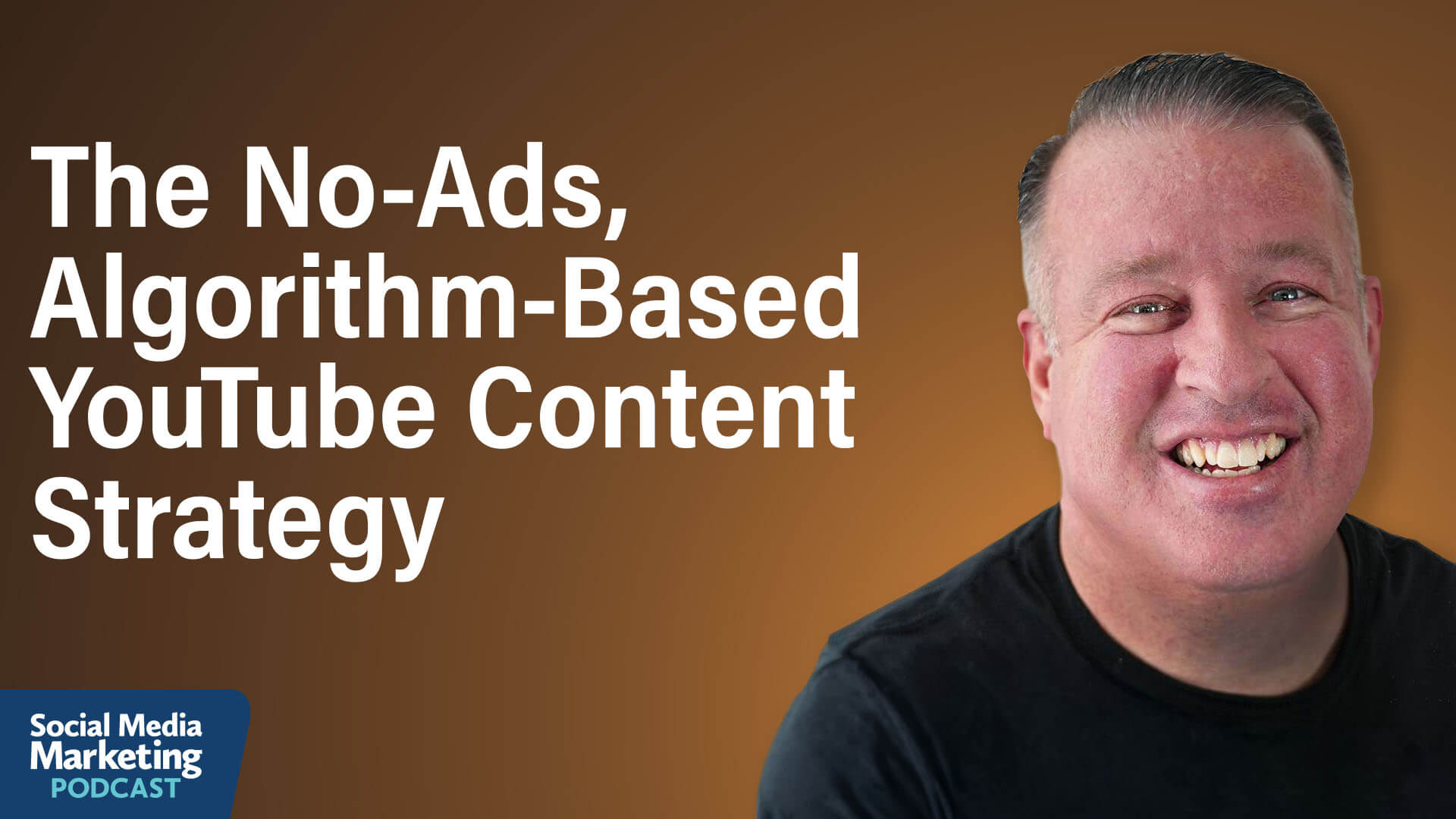
Published exclusive of Social Media Marketing insights, co-created by Derral Eves and Michael Stelzner.
Main Facts
For years, businesses operating in the digital economy have treated customer acquisition as a direct financial transaction. They invest heavily in paid distribution, crafting high-budget ad campaigns across Google, Meta, and LinkedIn to capture transactional intent. However, a seismic shift in digital marketing philosophy challenges this traditional paradigm. According to YouTube growth expert Derral Eves, companies can completely bypass paid distribution costs by learning to leverage YouTube’s sophisticated, AI-driven recommendation engine.
Rather than functioning as a static digital video repository or a traditional advertising platform, YouTube’s core algorithm is engineered with a singular objective: identifying content that satisfies a viewer’s immediate psychographic and topical interests, thereby maximizing their time on the platform. Eves argues that most businesses fundamentally misunderstand this ecosystem. By shifting their focus away from hard-selling end-stage "customers" and instead building value-driven content targeted at open-minded "viewers," organizations can let YouTube’s organic distribution engine deliver a hyper-targeted audience for free.
Chronology: The Evolution of YouTube’s Discovery Architecture
To understand how modern organic reach operates, one must look back at the platform’s architectural shifts over the past decade:
- Pre-2013 Era (The View-Count Metric): Historically, YouTube ranked and recommended content primarily based on raw view counts and explicit keyword matches. This era favored sensationalized clickbait and superficial metrics, often frustrating users seeking genuine utility.
- The AI Pivot (2013–Present): YouTube transitioned from a view-centric model to a complex, AI-driven machine learning algorithm. The system’s primary directive evolved from simply counting views to predicting user satisfaction, behavioral retention, and topical alignment.
- The Rise of Organic Funnels (2016–2020): Early adopters realized that treating YouTube as a top-of-funnel educational and entertainment medium—rather than a direct-response infomercial platform—yielded compounding algorithmic rewards. Brands began trading promotional scripts for authentic, audience-centric problem-solving.
- The Modern Multi-Format Landscape (Present Day): Today, the ecosystem encompasses long-form documentaries, podcasts, and short-form vertical video (Shorts). This multi-tiered structure allows creators to hook viewers via micro-content and nurture them through deep-dive, long-form content, ultimately driving millions in organic revenue without a single dollar spent on media buying.
Supporting Data & Real-World Case Studies
The efficacy of the viewer-first, zero-ad-spend model is underscored by remarkable real-world case studies featuring businesses that scaled exclusively through organic optimization:
1. The Office Furniture E-Commerce Empire
One of Derral Eves’s most notable students operated an e-commerce enterprise selling used office furniture sourced from corporate foreclosures. Opting out of traditional email acquisition lists and paid advertising, the founder built an entire traffic architecture on YouTube.
- Strategy: Instead of filming dry, transactional product listings, the creator produced informative review videos, comparative breakdowns, and buyer’s guides (e.g., S-tier to F-tier rankings for gaming chairs).
- Data & Reach: Approximately 75% to 80% of total traffic came directly from YouTube recommendations. Because YouTube’s algorithm successfully matched the content with users searching for home-office setups or ergonomic comfort, viewers routinely binged three to four videos per session. This high watch time triggered the algorithm to push his content even harder.
- Financial Impact: Bolstered by dual visibility in both YouTube and Google search results, the business expanded from one warehouse to two and ultimately surpassed $20 million in sales. Furthermore, their organic live-streamed annual May sales events consistently outperformed traditional Black Friday benchmarks.
2. The Medical Practice Scaler
An immunologist seeking to attract local and virtual patients to her practice partnered with Eves to overhaul her content strategy.
- Strategy: Analyzing her audience data revealed a core demographic skewing between ages 45 and 65-plus—a group experiencing health wake-up calls, declining energy, or blood pressure concerns.
- Data & Reach: A video detailing "10 Foods to Naturally Lower Blood Pressure" accumulated 1.7 million views. A subsequent follow-up detailing "5 Mistakes People Make When Checking Their Blood Pressure" amassed 865,000 views in under two weeks. Recognizing the topical correlation, YouTube’s AI dynamically recommended the second video to everyone who watched the first.
- Business Impact: As trust compounded through repeated views, patients naturally explored her recommended supplements and virtual consultation options, proving that the top-of-funnel awareness seamlessly converts when nurtured correctly.
3. Dry Creek Wrangler School
Run by a sexagenarian creator sharing unedited cowboy wisdom by a campfire, this channel amassed 1.6 million subscribers and massive engagement.
- Data & Reach: Driven by a core audience seeking life guidance and validation, his flagship video, "When You Just Ain’t Got It Together," secured 8.5 million views and generated up to 18,000 comments per video.
- Business Impact: His week-long physical cowboy training experiences sold out completely, resulting in an astonishing three-and-a-half-year waitlist, entirely fueled by organic YouTube trust-building.
Official Insights & Strategic Frameworks
According to industry leaders Derral Eves and Michael Stelzner, successfully harnessing YouTube’s free distribution engine requires a radical departure from traditional marketing mentalities. They outline six foundational pillars for modern creators and businesses:
1. Target the Viewer, Not the Customer
Marketers must prioritize psychographics over demographics. Demographics inform how to present information (e.g., tailoring tone to Gen Alpha versus Boomers), but psychographics dictate why a user watches based on their values, fears, and life circumstances. Utilizing frameworks like Maslow’s hierarchy of needs helps creators address deep-seated emotional pain points rather than shoving an immediate sales pitch into the viewer’s face.
2. Use a Curiosity Gap to Earn the Click
To win the click, titles and thumbnails must construct an ethical curiosity gap tailored to the viewer’s active reality. However, the critical window arrives immediately after the click: viewers judge whether to stay or leave within the first 5 to 10 seconds (a window that collapses to milliseconds on Shorts). Marketers must abandon promotional "credibility stacking" and instead deliver immediate, helpful validation.
3. Build Know, Like, and Trust Before Selling
The true currency of YouTube is sustained multi-video viewership. Delivering substantive value early creates a compounding retention loop. Creators who gatekeep their best information behind forced landing pages destroy audience trust. True authority is established when a viewer can consume an entire piece of content and walk away feeling fully enriched, naturally predisposing them to explore future offerings.

4. Find an Authentic Voice
Corporate polish often reads as clinical and inauthentic on camera. Eves advises creators to imagine speaking to a friend at a dinner party rather than delivering an elevator pitch. Using environmental hacks—such as recording in front of a live Zoom audience to capture natural conversational energy—can help introverted or overly formal speakers unlock their true on-camera voice.
5. Choose the Right Video Format and Mechanism
Content strategy must be anchored by proven structural "mechanisms." For beginners, listicles (e.g., five biggest mistakes) provide a natural narrative progression. For advanced creators, the ABC Storyline Structure (A = core topic, B = underlying purpose/why it matters, C = thematic emotional thread) maintains high viewer retention. Furthermore, device analytics should dictate length: lean-back TV viewers comfortably watch hour-long deep dives, whereas mobile users favor compressed, snappy narratives.
6. Use Analytics to Iterate and Adjust
YouTube provides the most granular real-time analytics in the digital landscape. Creators must treat every upload as an empirical experiment. Analyzing where retention curves drop off—whether at the 10-second mark or the 3-minute mark—reveals exact friction points in pacing or audience targeting, allowing for continuous, data-driven optimization.
Implications for the Future of Digital Marketing
The pivot toward algorithmic, value-first content distribution carries profound implications for the global marketing ecosystem.
- The Demise of Intrusive Advertising: As consumers grow increasingly blind to traditional, interruptive ad formats—and as privacy regulations continue to restrict third-party data tracking—brands that rely solely on paid acquisition will face rapidly escalating customer acquisition costs (CAC).
- Democratization of Reach: Because YouTube’s AI cares strictly about user satisfaction and watch time rather than an advertiser’s budget, bootstrapped small businesses and independent creators now possess the same organic distribution capability as multi-national corporations.
- The Rise of Authentic Authority: Moving forward, brands must evolve into media companies. The organizations that succeed will be those that prioritize education, entertainment, and genuine human connection over direct-response conversion tactics, turning the world’s largest video platform into a perpetual, self-sustaining growth engine.