The Pulse of the Web: Innovations in CSS, Dialog UX, and the Highlights of CSS Day 2026
The landscape of front-end development is currently undergoing one of its most rapid periods of evolution in recent memory. As browser vendors and the W3C push the boundaries of what is possible within the browser, developers are finding themselves equipped with increasingly powerful tools to handle layout, color, and interactivity. From the emergence of custom CSS functions to the refinement of native dialog elements, this installment of What’s !important breaks down the critical updates currently shaping the web.
Main Facts: The New Frontier of CSS
The core of recent discourse centers on the transition of CSS from a purely declarative language to a more functional, logic-driven paradigm.
The most significant shift is the introduction of the @function at-rule. Once considered a distant dream, this feature is currently positioned to be one of the most impactful additions to the Baseline interoperability standard this year. By allowing developers to create reusable, logic-based CSS functions, the language is shedding its historical limitations regarding dynamic value calculation.
Complementing this are quality-of-life improvements aimed at developer ergonomics. Specifically, the new alpha() function is changing how we handle color manipulation. By decoupling color channels from specific color spaces (like OKLCH or RGB), the alpha() function allows developers to apply opacity to variables with unprecedented clarity, reducing the "monotony" of hard-coding values into complex color functions.
Chronology of Recent Developments
Early June 2026: The Dialog UX Push
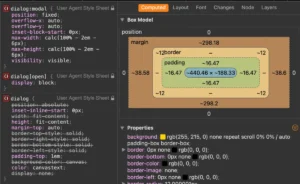
In the first week of June, industry experts—most notably Una Kravets—began highlighting critical usability gaps in the native <dialog> element. Through community discourse on platforms like Bluesky, the conversation coalesced around two primary solutions: the closedby attribute for simplified dismissal logic and overscroll-behavior: contain to prevent unwanted scrolling on background elements.
June 11–12, 2026: CSS Day Amsterdam
The annual CSS Day conference took place in Amsterdam, serving as the central hub for the year’s most anticipated CSS announcements. While the event focused heavily on deep-dive technical talks, it also served as a launchpad for discussions regarding the future of Grid Layouts and the integration of game-like elements into web development.
Mid-June 2026: WebKit’s Grid Lanes
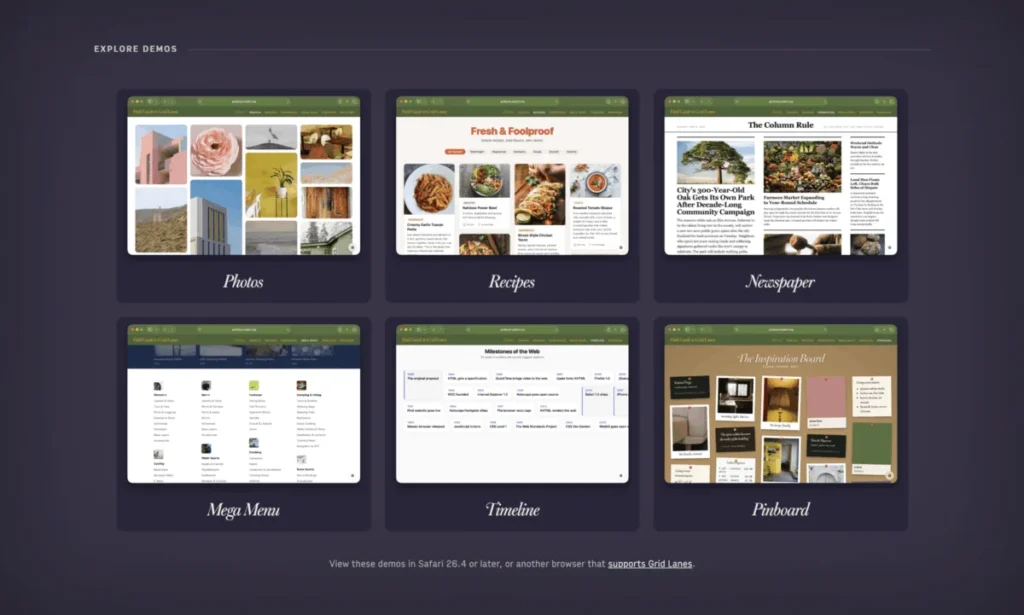
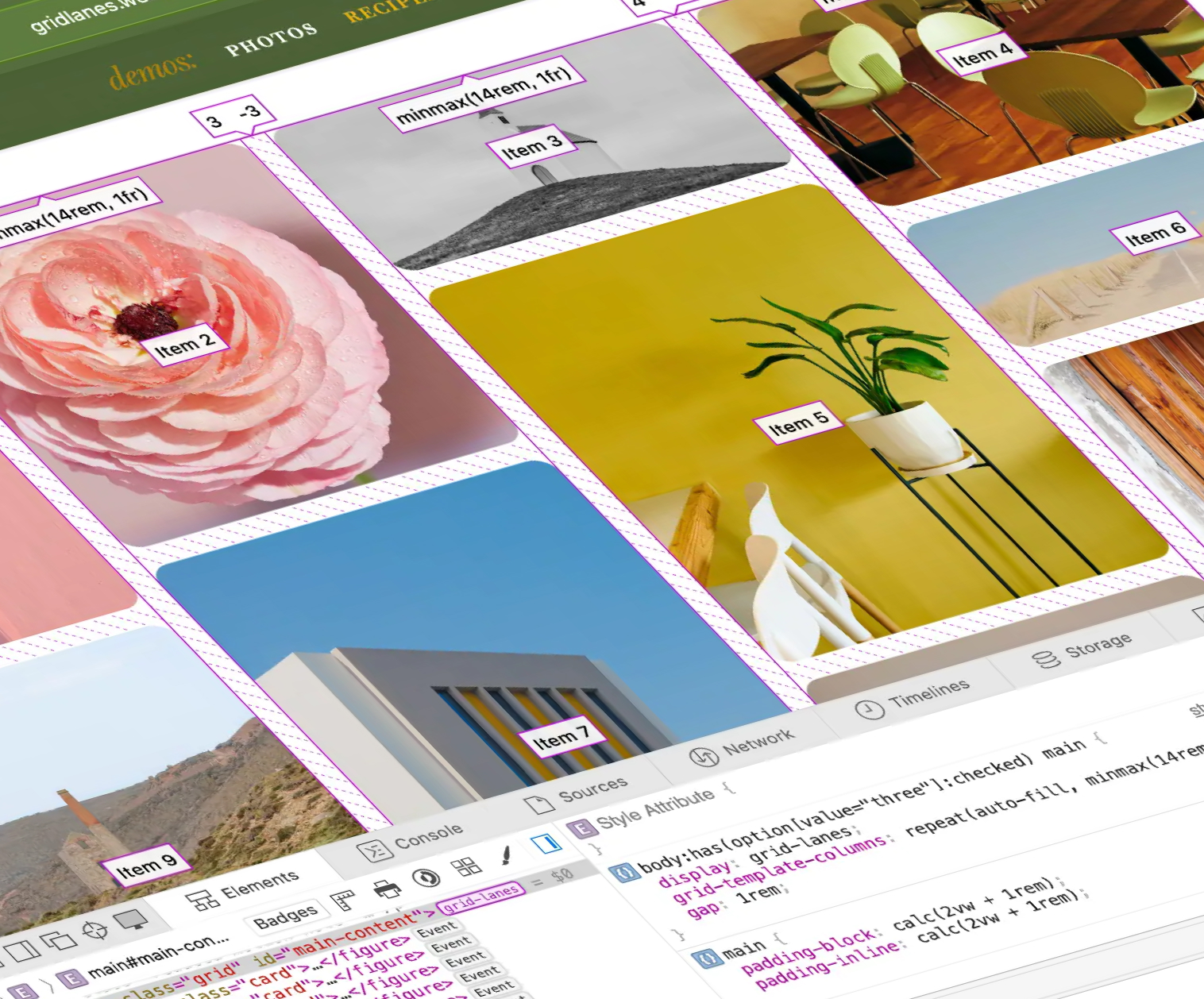
Following the conference, the WebKit team officially launched the "Field Guide to Grid Lanes." This resource, aimed at demystifying complex grid structures, signifies a move toward more accessible, documentation-heavy support for developers navigating the complexities of CSS layout engines.
Supporting Data: Why Functionality Matters
The frustration surrounding current CSS workflows often stems from "syntax debt"—the need to write repetitive, verbose code to achieve simple dynamic effects.
The alpha() Advantage
Historically, if a developer stored a color in a CSS variable, modifying its opacity required wrapping it in a function specific to that color space.
- The Old Way:
color: oklch(from var(--color) l c h / 0.5); - The New Way:
color: alpha(from var(--color) / 0.5);
This change is not merely aesthetic. By abstracting the color space, the alpha() function allows for more maintainable design systems. When developers no longer need to know the internal format of a variable to modify its alpha channel, the barrier for entry into complex, variable-driven themes is significantly lowered.
The <dialog> Paradigm
UX research presented by practitioners suggests that the default behavior of the <dialog> element often leads to "layout shift" when scrollbars appear or disappear, and poor handling of "light dismiss" events (closing a modal by clicking the background). The proposed implementation of closedby="any" and scrollbar-gutter: stable represents a shift toward browser-native solutions for problems that previously required heavy JavaScript libraries.
Official Perspectives and Expert Commentary
Jane Ori on @function
Jane Ori’s recent walkthroughs have been instrumental in demystifying the @function at-rule. Her approach emphasizes "baby steps," acknowledging that while the feature is powerful, it represents a departure from traditional CSS. "We are moving into an era where CSS handles the heavy lifting that used to require preprocessors," Ori noted in her recent technical series.

WebKit’s Commitment to Education
The launch of the Field Guide to Grid Lanes is a clear signal that browser vendors are taking responsibility for the developer experience (DX). By providing real-world demos—covering everything from newspaper layouts to mega-menus—WebKit is bridging the gap between specification documentation and practical application.
The "CSS Day" Spirit
The feedback from CSS Day 2026 suggests that the community is moving away from the "flamethrower-style" hype of early web development toward a more sustainable, high-performance focus. Discussions regarding the use of CSS in unexpected contexts—including interactive games and high-performance animation—demonstrate that the community’s creativity continues to outpace the specifications.
Implications for the Future of Web Development
The End of CSS Preprocessor Dominance?
For years, tools like Sass and Less were required to provide functions, variables, and color manipulation. As CSS absorbs these features natively, the reliance on external build steps for basic logic is waning. This is a net positive for browser performance, as it eliminates the need for large CSS files bloated by pre-compiled utility classes.
The Rise of "Native-First" Development
The push to improve <dialog> and other native interactive elements suggests a long-term trend: the "Platform-First" movement. Developers are increasingly opting for native HTML/CSS elements over custom JavaScript components to ensure accessibility, reduced bundle sizes, and improved performance.
Accessibility and Complexity
While these features reduce the amount of code a developer needs to write, they introduce new complexities in debugging. With the advent of @function and relative color syntax, browsers are effectively becoming compilers. Developers will need to adopt new tooling and inspection methods to understand how these dynamic functions are being resolved at runtime.
Beyond the Code: Community and Culture
It is worth noting that the "human" side of development remains as vibrant as ever. The popularity of CSS Wordle—a game designed to test knowledge of CSS properties and syntax—highlights a culture that values mastery through play.

Furthermore, the lack of a livestream for CSS Day 2026, while disappointing for the global audience, underscores the value of the in-person experience. The exchange of ideas, the informal discussions about browser bugs, and the collaborative atmosphere of the Amsterdam event continue to drive the standards forward. As recordings become available in late June, the global community will have the opportunity to dissect these presentations, ensuring that the knowledge shared on stage impacts the wider ecosystem for the remainder of the year.
Conclusion: Looking Ahead
As we look toward the second half of 2026, the trajectory is clear: CSS is becoming a more expressive, logical, and performant language. The combination of native functions, improved layout controls, and better-refined interactive elements means that the modern web is becoming easier to build but harder to master.
For those eager to stay ahead of the curve:
- Bookmark the documentation: Utilize the new resources provided by CSS-Tricks and the WebKit team.
- Experiment with Native: Replace your custom JavaScript dialog logic with the new native attributes and CSS properties.
- Engage with the Community: Keep an eye on the #CSSDay tags on platforms like Bluesky to catch the latest slides and recordings as they drop.
The web is in a state of constant flux, but for the first time in years, the platform is finally providing the tools necessary to build complex, beautiful, and highly responsive interfaces without the crutch of heavy frameworks. The future of CSS is bright, functional, and—most importantly—native.