WordPress 7.0 “Armstrong”: A New Era of AI-Driven Web Creation
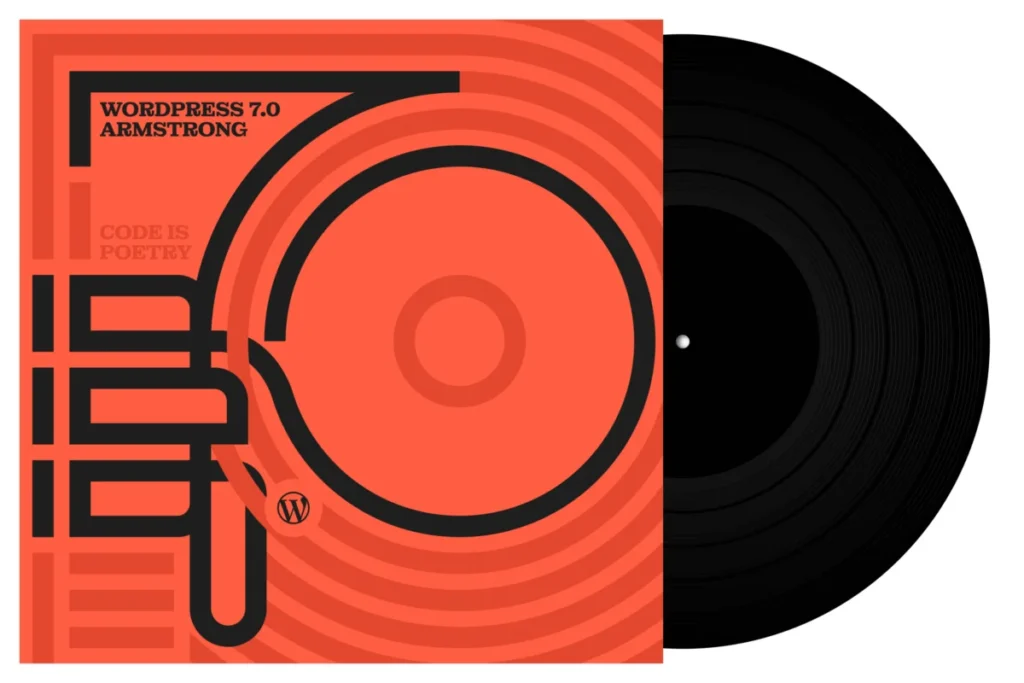
The global open-source community has reached a significant milestone with the release of WordPress 7.0, codenamed “Armstrong.” Named in honor of the legendary jazz icon Louis “Satchmo” Armstrong, the release marks a departure from traditional content management systems and signals a bold pivot toward an AI-integrated, future-proof web ecosystem.
As the "first great jazz soloist" transformed music from an orchestral collective into a medium for individual improvisation, WordPress 7.0 aims to transform the digital landscape. By providing creators with powerful, modular, and AI-assisted tools, version 7.0 empowers users to compose their digital presence with the same spontaneity and personal flair that defined the career of the man who inspired its name.

Main Facts: What Defines “Armstrong”?
WordPress 7.0 is not merely an incremental update; it is a foundational shift. The core focus of this release is the seamless integration of generative AI directly into the dashboard, reducing the friction between a creator’s intent and their final output.
The AI Revolution in Core
The most significant addition is the new AI Client in Core. This feature allows WordPress to communicate directly with generative AI models. By centralizing these connections in a dedicated “Connector” hub, users can manage external API integrations without needing to navigate complex plugin configurations. When paired with the new Abilities API, this creates a powerful workflow automation engine. Users can now generate images, draft content, summarize posts, and automate alt-text generation with a single click.

A Modernized, Intuitive UI
The admin experience has undergone a complete visual overhaul. The dashboard now features a sleek, modern aesthetic with refined color schemes and fluid, high-performance transitions. The integration of a Command Palette (accessible via Cmd+K or Ctrl+K) brings high-level control to every corner of the dashboard, allowing power users to navigate between settings, plugins, and media libraries without ever leaving their current task.
Chronology: The Road to 7.0
The journey to WordPress 7.0 was characterized by an ambitious development roadmap, prioritizing extensibility and user experience.

- Early 2026: The Planning Phase. The WordPress core team outlined the "Armstrong" vision, emphasizing the need for an AI-first approach while maintaining the platform’s commitment to open-source accessibility.
- March 2026: Beta Testing Cycles. Developers and hosting partners began rigorous testing of the client-side AI modules. This phase saw the introduction of the Javascript-based "Client-Side Abilities" package, which provided the foundation for the new command palette and interactive UI.
- April 2026: The "Polish" Sprint. The focus shifted to the dashboard’s visual language. Contributors worked on optimizing the CSS and smooth-motion transitions that now define the user experience.
- May 2026: Official Launch. Following comprehensive stress testing by over 21 global web hosts, WordPress 7.0 “Armstrong” was released to the public, marking the culmination of work by over 875 contributors.
Supporting Data: By the Numbers
The scale of the WordPress 7.0 release is a testament to the power of the open-source model.
- Global Collaboration: The release was made possible by the efforts of 875+ unique contributors from across the globe.
- Community Growth: A major highlight of 7.0 was the inclusion of 200+ first-time contributors, showing that the project remains a vibrant entry point for new talent.
- Code Integrity: The team delivered 420+ enhancements and bug fixes, ensuring that the new AI capabilities did not come at the expense of stability.
- Localization: To maintain its mission of democratizing publishing, the platform is now fully translated into 70+ languages, with ongoing efforts to cover 200+ locales.
Design and Development: Empowering the Creator
Beyond AI, "Armstrong" introduces a suite of design tools that provide granular control to both non-technical users and seasoned developers.

Expanded Design Capabilities
Designers will benefit from the new Icons block and the Breadcrumbs block, which simplify site navigation and detail-oriented design. The Gallery block has been upgraded with a built-in lightbox slideshow, reducing the need for third-party image plugins. Furthermore, responsiveness controls have been enhanced; users can now selectively hide or reveal blocks based on the user’s device, ensuring a bespoke mobile and desktop experience.
The Developer Toolbox
For developers, the "Armstrong" update is a dream. Key highlights include:

- Server-Side Block Development: Blocks and patterns can now be created using only PHP, auto-registered with the Block API.
- Site Editor Extensibility: A new
wordpress/bootpackage allows plugins to build custom, full-page experiences within the Site Editor, opening the door for more sophisticated SaaS-style applications built on top of WordPress. - Custom CSS at Scale: Users can now inject custom CSS at the block level, allowing for precision styling without touching the theme’s global stylesheet.
Official Responses and Philosophical Shifts
During the launch event, project leads emphasized that WordPress 7.0 is about human-centric technology. "Louis Armstrong changed music by focusing on the individual’s voice," said one lead developer. "With 7.0, we are giving that same power to the web. The AI isn’t here to replace the creator; it is here to act as a multiplier for the creator’s intent."
The decision to lean into AI integration, while controversial in some corners of the tech world, has been handled with a commitment to data sovereignty. By keeping the "Connector" hub central, WordPress ensures that users maintain control over which AI models they connect to, preventing vendor lock-in and upholding the core values of the open-source movement.

Implications: The Future of the Web
The release of WordPress 7.0 signals three major shifts for the future of the internet:
1. The Death of the "Static" Site
With AI-driven content generation and dynamic block-level editing, the definition of a website is shifting from a static document to a living, reactive application. "Armstrong" provides the tools for sites to update their own metadata, generate responsive layouts on the fly, and assist in content creation, effectively shortening the lifecycle from an idea to a published asset.

2. Lowering the Barrier to Entry
The "Client-Side Abilities" package and the new, modernized admin theme are specifically designed to reduce cognitive load. By making the interface feel "gliding" and intuitive, WordPress is effectively lowering the technical barrier for small business owners who previously found the platform intimidating.
3. A New Standard for Extensibility
The introduction of the wordpress/boot package and server-side PHP block registration suggests that the future of WordPress is not just as a blog engine, but as an application framework. Developers can now build increasingly complex features—from e-commerce portals to AI-driven customer support tools—entirely within the core framework.

Conclusion
WordPress 7.0 “Armstrong” is a milestone that honors its namesake’s spirit of innovation. By embracing the improvisational nature of AI and marrying it with a rock-solid, modernized foundation, the WordPress project has ensured its relevance for the next decade of digital evolution.
Whether you are a developer looking to build complex server-side applications or a business owner wanting to streamline your content creation, “Armstrong” offers a new, powerful, and deeply customizable way to build. As the community continues to grow, with new contributors joining every day, the mission to "democratize publishing" remains as vital and vibrant as the jazz music that inspired this release.

For those ready to explore the new features, the feature-showcase website and the official Field Guide are now live, offering comprehensive documentation for every enhancement. The era of AI-integrated web creation has arrived—it is time to start building your own rhythm.