Vivo X Fold6: Engineering a New Era of Foldable Dominance
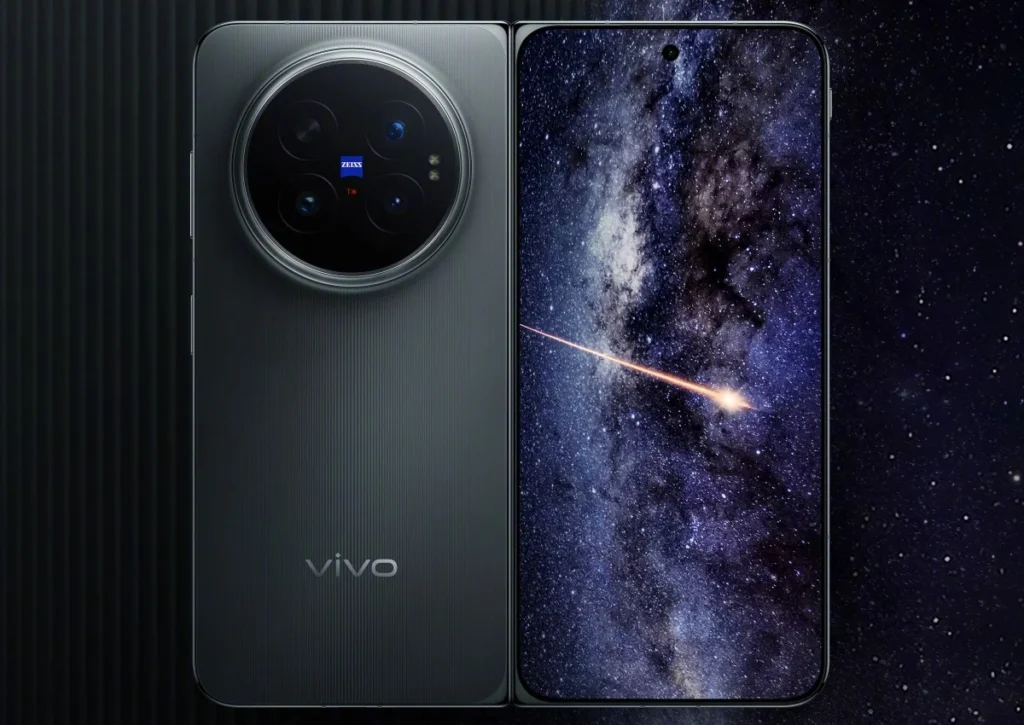
As the foldable smartphone market transitions from a niche experimental category to a mainstream powerhouse, Vivo is positioning itself at the vanguard of this evolution. With the official launch of the X Fold6 scheduled for next week in China, the company has begun a calculated, high-impact teaser campaign that is reshaping expectations for what a thin, foldable device can actually achieve. By prioritizing battery density, ruggedization, and advanced connectivity, Vivo is signaling that the X Fold6 is not merely an iterative update, but a significant technological leap.
Main Facts: The Specifications That Define the X Fold6
The headline feature of the Vivo X Fold6 is, undeniably, its battery architecture. In a market where foldables have historically struggled to match the endurance of traditional slab phones due to spatial constraints, Vivo has broken the ceiling.
According to product manager Han Boxiao, the device will be powered by a massive 7,000mAh battery. This is achieved through an industry-first integration of fifth-generation silicon anode technology combined with third-generation semi-solid state battery materials. This combination allows for a higher energy density within the same physical footprint, effectively solving the "thinness vs. capacity" dilemma that has plagued the foldable form factor for years.
Furthermore, the X Fold6 is confirmed to feature:
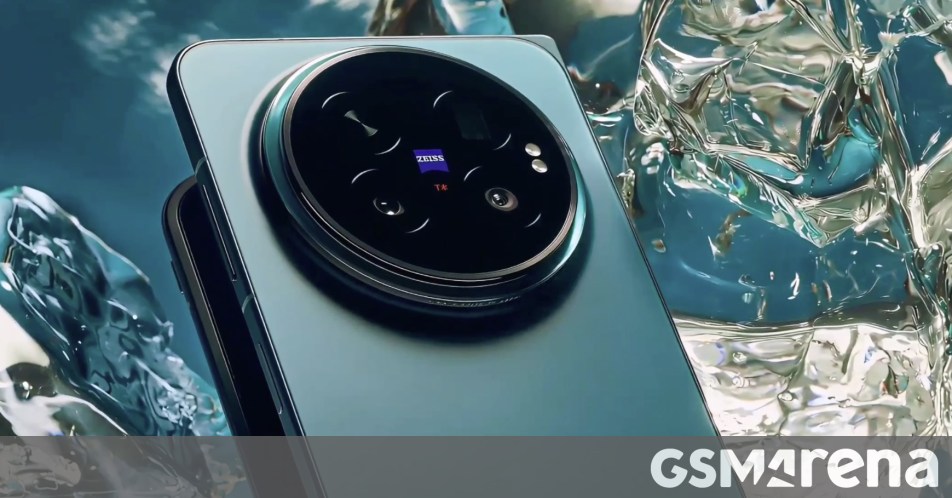
- A 8.02-inch primary foldable display providing an expansive, tablet-like canvas.
- A specialized Dimensity 9500 chipset, customized to handle the unique thermal and processing demands of a dual-screen device.
- A 200MP primary rear camera sensor, signaling a continued commitment to high-end mobile photography.
- OriginOS 6 Fold, the latest iteration of Vivo’s interface, optimized specifically for multitasking and seamless screen transitions.
Chronology of the Pre-Launch Campaign
The road to the June 26 launch has been marked by a deliberate sequence of information releases, designed to maintain market momentum and consumer interest.
Early June: Setting the Stage
The campaign began with initial rumors and leaks regarding the device’s design philosophy, focusing on the pursuit of extreme thinness. Vivo quickly capitalized on this by confirming the official launch date and opening reservations for the device, ensuring that early adopters could secure their units immediately upon release.
Mid-June: The Hardware Deep-Dive
Following the announcement of the launch date, the focus shifted to hardware specifications. Vivo confirmed the presence of the Dimensity 9500 chipset, silencing speculation about which silicon would power the flagship. Shortly after, the company provided clarity on the display specs and the software environment, confirming that the device would run on the sophisticated OriginOS 6 Fold.
Late June: Durability and Aesthetics
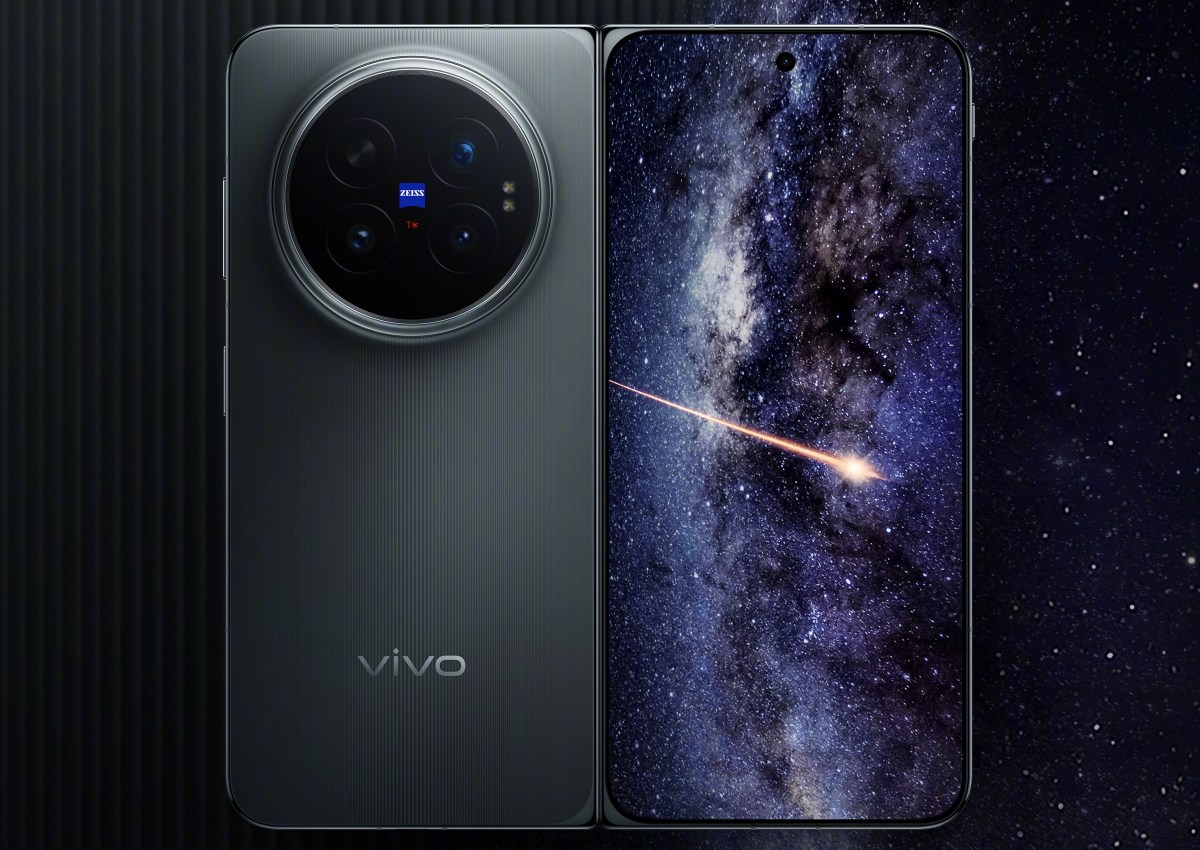
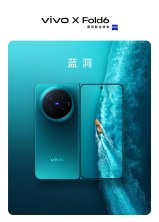
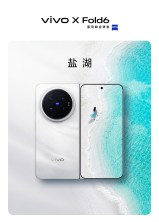
In the final stretch leading up to the event, Vivo shifted the narrative toward build quality and aesthetics. The confirmation of IPX8 and IPX9 ratings—a rarity in the foldable space—alongside the reveal of the official color palette (Blue Hole, Salt Lake, Polar Night, and the premium Black Gold Edition), completed the picture of a device that is as durable as it is stylish.
Supporting Data: Quantifying the Performance Leap
The most compelling data point shared by Vivo concerns the efficiency of the new battery system. The company asserts that the X Fold6 will deliver up to 9.8 hours of "heavy usage" battery life. To contextualize this, Vivo claims this represents a 30% improvement over the X Fold5.
For the modern power user, this 30% increase is transformative. Foldable devices are often used for productivity, video conferencing, and split-screen multitasking—activities that are notoriously battery-intensive. If the X Fold6 can indeed sustain these loads for nearly 10 hours, it effectively mitigates the primary "range anxiety" that has kept many mainstream consumers from switching to foldables.
Furthermore, the integration of new Wi-Fi and signal amplification antennas is a direct response to the structural challenges of folding phones, which often suffer from signal attenuation due to the hinge and internal layout. By upgrading these components, Vivo is ensuring that the X Fold6 remains a reliable communication tool in challenging environments.
Official Responses and The Engineering Philosophy
Han Boxiao, as the public face of the project, has emphasized that the X Fold6 was built with the "user’s pain points" at the center of the design process. His statements on Weibo regarding the silicon anode technology reflect a company that is investing heavily in R&D to push the boundaries of current material science.
The decision to pursue IPX9 certification—a high-pressure, high-temperature water jet rating—is a statement of confidence in their manufacturing process. While most foldables are content with basic water resistance, Vivo’s pursuit of the highest standards suggests they are aiming to capture the enterprise and outdoor-active segments, groups that previously avoided foldables due to concerns about long-term durability.
Implications for the Foldable Smartphone Market
The implications of the X Fold6 launch extend far beyond Vivo’s own bottom line. The industry is currently locked in a race to see who can produce the thinnest, most powerful, and most durable foldable.
1. The Death of Compromise
Historically, choosing a foldable meant accepting trade-offs in battery life, camera performance, or structural integrity. With a 7,000mAh battery, a 200MP camera, and high-tier ingress protection, the X Fold6 is effectively telling the market that the era of compromise is over.
2. The Rise of "Semi-Solid State" Tech
By implementing third-generation semi-solid state battery technology, Vivo is setting a new industry standard. If this proves successful, we can expect a rapid transition across the industry as competitors scramble to license or develop similar technologies to remain competitive.
3. Setting a New Durability Bar
The inclusion of IPX9 rating is likely to force other manufacturers to re-evaluate their own testing standards. When a flagship device is marketed as being able to withstand extreme environments, it changes the consumer’s perception of "foldable fragility."
4. Software Maturation
The development of OriginOS 6 Fold highlights that hardware is only half the battle. As screens grow larger and devices become more complex, the software must evolve to handle productivity workflows. Vivo’s investment here suggests they view the foldable not as a phone, but as a portable computing platform.
Conclusion: A Turning Point?
As we look toward the official unveiling on June 26, the Vivo X Fold6 stands as a testament to the maturation of foldable technology. By addressing the fundamental issues of battery capacity and environmental durability, Vivo has crafted a device that is primed to challenge the dominance of traditional flagship phones.
Whether the X Fold6 can translate these impressive specifications into market-leading sales remains to be seen. However, in terms of engineering ambition and the drive to redefine the category, Vivo has set a standard that will undoubtedly dictate the trajectory of the foldable market for the next several years. The industry is watching closely; the "foldable future" is no longer a distant promise—it is arriving next week, and it packs a 7,000mAh punch.