WordPress 7.0 Introduces PHP-Only Block Registration: A Lifeline for Legacy Code or Too Little, Too Late?
By CSS-Tricks Staff
Main Facts: The End of an Era for JavaScript-Only Block Development
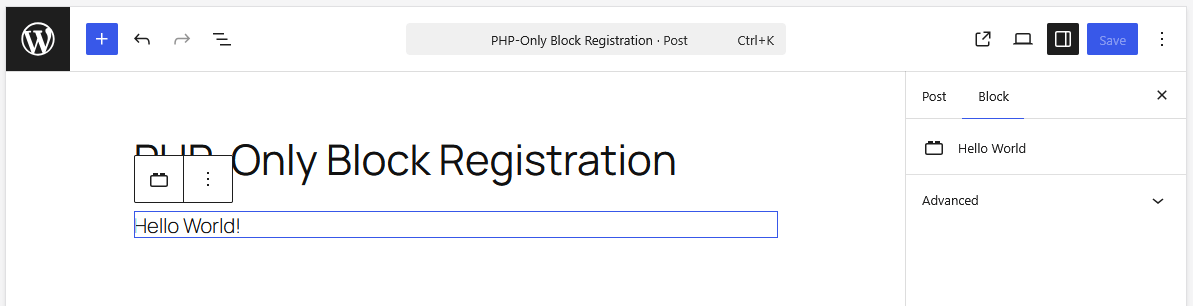
More than seven years after the Gutenberg block editor fundamentally altered the WordPress landscape, core developers have delivered a feature that many long-time ecosystem members thought would never see the light of day. With the release of WordPress 7.0, developers can now build and register custom WordPress blocks using exclusively PHP.
Gone are the days when a simple custom block required mastering React, wrestling with complex Webpack or Babel build pipelines, and managing an endless maze of NPM packages. By introducing a new 'autoRegister' => true flag within the server-side register_block_type() function, WordPress now dynamically generates the necessary client-side registration and editor preview code under the hood.
While the feature marks a massive quality-of-life win for traditional backend developers, it arrives with significant architectural constraints. The primary target for PHP-only blocks is not greenfield interactive application development, but rather the frictionless migration of legacy PHP features into modern block themes.
Chronology: A Seven-Year Journey to Server-Side Simplicity
To understand the weight of this release, one must look back at the timeline of the WordPress block editor:
- December 2018 (WordPress 5.0): Gutenberg launches, introducing the block-based editing paradigm. Traditional block development immediately creates a steep learning curve, forcing PHP-centric developers to learn modern JavaScript ecosystems.
- 2019–2023: The WordPress community pushes heavily toward Full Site Editing (FSE) and block themes. While performance and flexibility soar, classic theme adoption remains stubbornly high as developers struggle to justify the time investment required to rewrite complex PHP codebases into JavaScript blocks.
- Mid-2024 to 2025: Community discussions intensify around the developer experience (DX) gap. Framework fatigue, build-tool complexities, and boilerplate overhead become major pain points for boutique agencies and solo developers.
- June 2026 (WordPress 7.0 Release): Core introduces PHP-only block registration. For the first time, developers can bypass JavaScript entirely when creating custom blocks, sparking widespread debate over the future direction of WordPress architecture.
Supporting Data and Technical Realities: What PHP-Only Blocks Can (and Cannot) Do
The implementation of PHP-only blocks is elegantly simple on the surface, but it relies on a delicate server-side architecture that introduces rigid boundaries.
The Anatomy of a PHP-Only Block
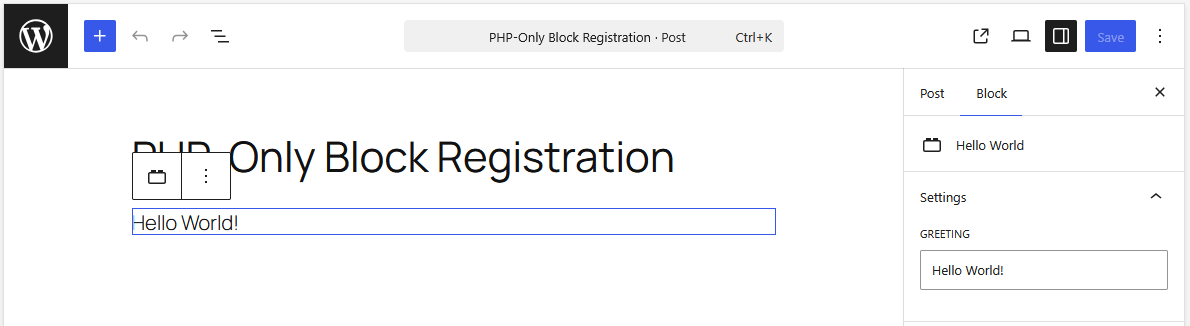
Registering a basic Hello World block requires nothing more than a standard hook into the init action:
function css_tricks_hello_world_block()
  register_block_type(
    'css-tricks/hello-world',
      [
        'title' => 'Hello World',
        'render_callback' => function ()
          return sprintf(
            '<div %s>Hello World!</div>',
            get_block_wrapper_attributes()
          );
        ,
        'supports' => [
          'autoRegister' => true,
        ],
      ]
  );

add_action('init', 'css_tricks_hello_world_block');
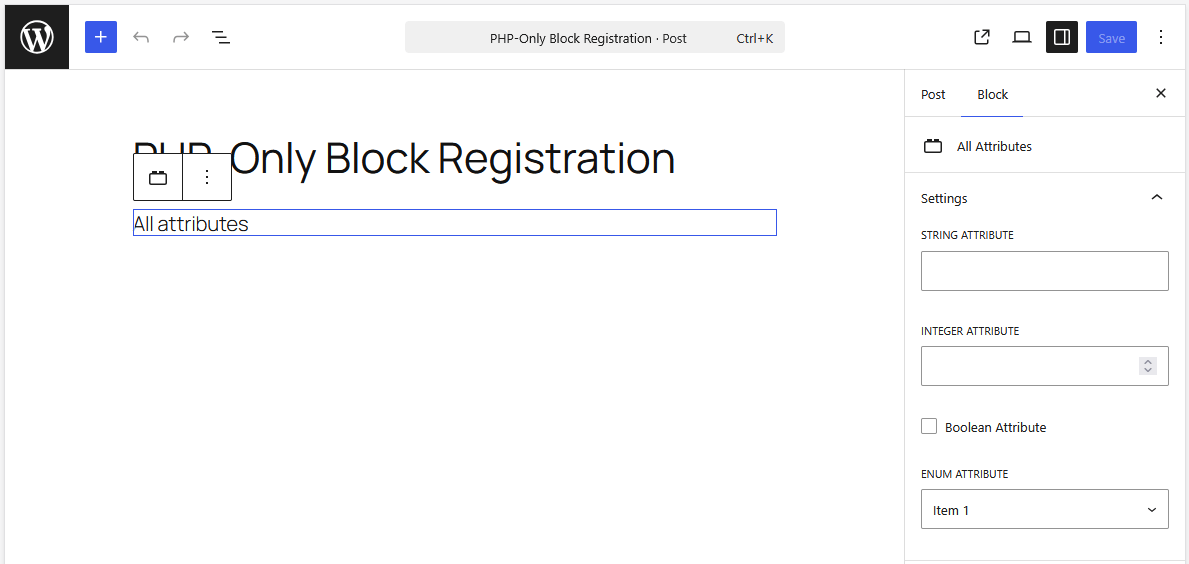
By adding an attributes array and leveraging basic types (strings, numbers, and booleans), WordPress automatically maps these values to rudimentary controls in the block’s settings sidebar.
The Core Architectural Limitations
Despite its accessibility, developers cannot treat PHP-only blocks as a complete substitute for JavaScript. The limitations stem directly from how the WordPress editor and REST API communicate:
- No In-Editor Interactivity: Because the editor displays HTML returned by the PHP
render_callback, blocks rendered this way exist outside the single-page JavaScript application powering the rest of the editor. You cannot build rich, in-place editing experiences. You are restricted to sidebar inputs. - Stale Data References: PHP-only blocks query the database directly during rendering, bypassing the client-side JavaScript data store. If a user changes a post title or custom field inside the editor, a PHP-rendered block will display stale data until the post is saved and the page is reloaded.
- Missing Post Context: Because the block editor preview renders via a stateless REST API endpoint, global state variables like
$postor template tags likethe_title()fail to resolve out of the box without manual workarounds (such as parsing$_GET['post']during initialization). - Restricted UI Interfaces: WordPress 7.0 supports only three attribute types (strings, numbers, booleans) and four basic UI controls. Essential interface elements like image uploaders, multi-line text areas, date pickers, and keyed dropdown arrays are entirely absent.
Official Responses and Developer Perspectives
The reception within the WordPress developer community has been polarized yet pragmatic.

Advocates for modern JavaScript tooling caution against using the feature for building complex user interfaces, emphasizing that native-feeling editing experiences still demand React. "You cannot build interactive components or dynamic sliders that manipulate the DOM on the fly," notes one core contributor. "The moment the preview re-renders asynchronously, your event listeners vanish."
Conversely, agency owners and legacy maintainers have lauded the update. For years, the barrier to entry for block themes has been the sheer cost of rewriting legacy shortcodes, custom widgets, and procedural PHP template tags. By removing the build-pipeline requirement, WordPress 7.0 provides a realistic bridge for thousands of sites that were previously frozen in classic theme architectures.

Implications: Unlocking the Block Theme Transition
The true genius—and the ultimate justification—of PHP-only block registration lies in a single, high-impact use case: migrating legacy code.
The Killer Migration Path
Many developers have wanted to adopt block themes for their superior performance and modern editing paradigms, but were blocked by legacy PHP codebases. Rebuilding a custom header, a specialized post-meta display, or an intricate archive loop in JavaScript could take days or weeks.

With PHP-only blocks, developers can wrap existing legacy PHP functions inside a server-side rendered block in a matter of hours.
- Front-End Fidelity: Even if the editor preview is imperfect—or relies on a placeholder—what matters most is that the block compiles and renders flawlessly on the front end.
- Bypassing Tooling: Teams do not need to install Node.js, configure Babel, or manage package dependencies just to push a minor layout update.
Best Practices for Working Within Constraints
Developers experimenting with PHP-only blocks have quickly discovered valuable workarounds for common hurdles:

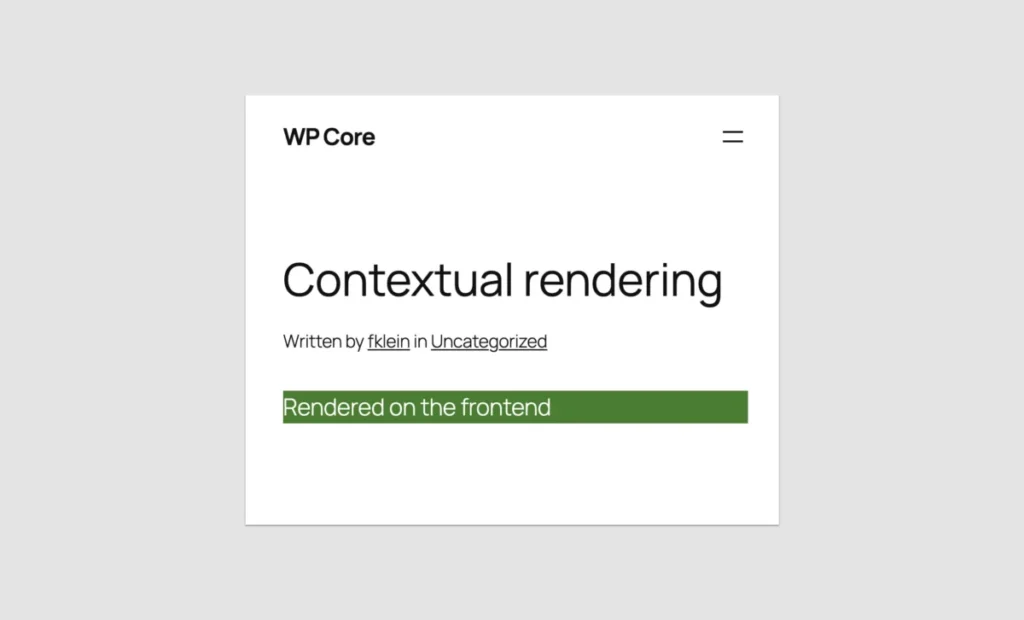
- Contextual Rendering: Using
wp_is_rest_endpoint()alongside checks for the block-renderer route allows developers to serve distinct markup for the editor versus the front end. - Post ID Workarounds: While global states are missing in REST requests, capturing the post ID from admin URL parameters (
$_GET['post']) during theinithook allows developers to feed contextual data into their render callbacks. - Embracing Block API Version 3: Ensuring blocks utilize Version 3 or higher prepares sites for the fully iframed post editor, minimizing style collisions between the WordPress admin dashboard and custom block CSS.
Conclusion: Was the Wait Worth It?
For building new, highly interactive, feature-rich blocks from scratch, the answer remains a definitive no. JavaScript is, and will remain, the premier medium for crafting dynamic block interfaces in WordPress.
However, for the vast ecosystem of developers managing legacy codebases who have felt alienated by the steep tooling requirements of modern block development, WordPress 7.0 is a game-changer. It lowers the barrier to entry, solves the block theme adoption crisis for legacy projects, and signals a welcome return to prioritizing developer pragmatism within WordPress Core.
The seven-and-a-half-year wait may have been long, but for developers looking to bring old code into a modern era without touching a single NPM command, it was well worth it.