Echoes from the Kadalundipuzha: Remembering the 25th Anniversary of Kerala’s Rail Tragedy
By Editorial Staff
Twenty-five years ago, the serene confluence where the Kadalundipuzha river meets the Arabian Sea was transformed into a site of unimaginable horror. On June 22, 2001, the tranquil rhythm of life in the coastal village of Kadalundi, situated on the border of Kozhikode and Malappuram, was shattered by the screech of twisted metal and the roar of a collapsing bridge.
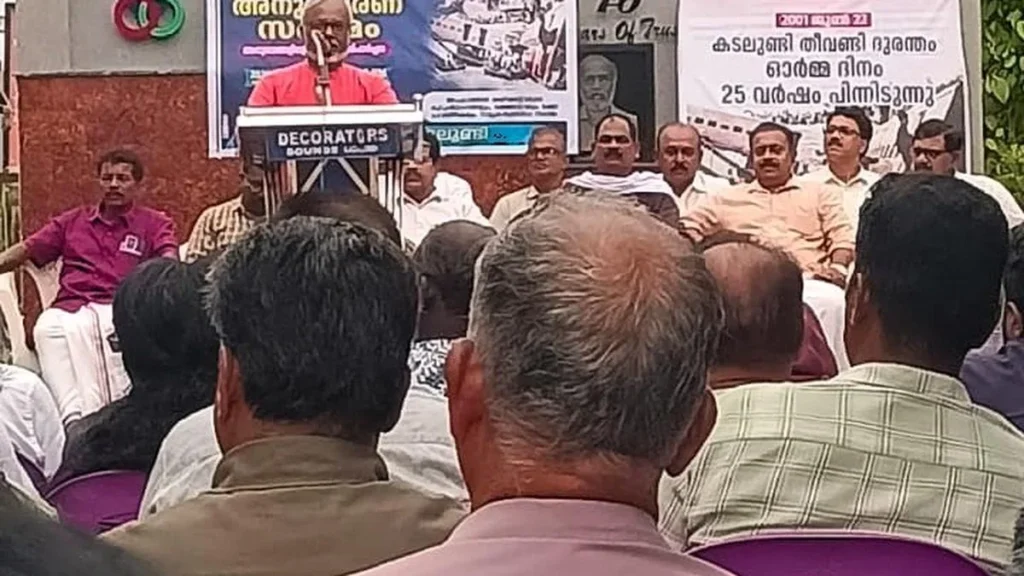
On Monday, as the village marked the 25th anniversary of the Kadalundi train disaster, the atmosphere was not one of distant remembrance, but of raw, enduring grief. Residents, survivors, and the brave locals who morphed into first responders gathered to honor the 52 lives lost and the hundreds scarred by the event. Veteran journalist A. Sajeevan, who delivered the memorial address, underscored the significance of the day, noting that for the people of Kadalundi, the tragedy is not a historical footnote, but a permanent fixture of their communal identity.
The Day the Bridge Gave Way: A Chronology of Chaos
The events of June 22, 2001, began as a typical monsoon Friday. The Mangaluru-Chennai Mail was traversing the scenic coastal route, carrying hundreds of passengers toward their weekend destinations. At approximately 5:00 PM, as the train reached the Kadalundi railway bridge, the landscape turned lethal.
As the locomotive progressed across the bridge at a speed of roughly 50 kmph, the unthinkable occurred. The girders at the southern end of the bridge suddenly buckled, unable to bear the weight of the steel carriages. In a heart-stopping sequence, six coaches plummeted into the river below. The train, which moments before had been a vessel of transit, became a mangled tomb.
The immediate aftermath was defined by a desperate, improvised rescue effort. Before the heavy machinery of the state could arrive, the residents of Kadalundi—sand miners and local fishermen from Chaliyam—sprang into action. They launched their small boats into the turbulent waters, navigating the wreckage to pull survivors from the submerged carriages. They were eventually joined by the legendary khalasis of Beypore, a group of traditional dock workers renowned for their expertise in handling heavy structures. Together, they battled the rising tides and the darkness of night, using crowbars and gas cutters to breach the window bars of the partially submerged trains.
The Human Toll: Statistics and Scars
The statistics of the Kadalundi disaster remain a somber reminder of the fragility of infrastructure. Official reports confirmed 52 fatalities, though the actual trauma rippled far beyond the immediate count. Nearly 300 individuals sustained injuries, ranging from minor lacerations to life-altering physical disabilities.
The medical infrastructure of Kozhikode and Malappuram was pushed to its absolute limit. Hospitals were flooded with thousands of frantic relatives, creating scenes of agony as families attempted to identify loved ones amidst the confusion. The identification process was grueling; many bodies were recovered hours or even days later, and in several instances, the physical trauma made recognition nearly impossible.
One image, in particular, has haunted the collective psyche of the region for a quarter-century: the sight of a lone hand protruding from the window of a submerged carriage. It remained visible above the waterline as the tides rose and fell, a silent, tragic sentinel that waited for rescuers to finally breach the steel walls of the coach the following day. This singular detail, recounted by local residents, encapsulates the helplessness that defined the rescue operation.

The Unresolved Mystery: Official Responses and Inquiries
Perhaps the most frustrating aspect of the Kadalundi disaster for the bereaved is the lack of a definitive "why." Despite the passage of 25 years, railway authorities have never provided a conclusive, universally accepted explanation for the structural failure of the bridge.
Various theories have been posited over the decades. Some investigations pointed toward the precarious condition of the colonial-era bridge, which had been subjected to years of intense monsoon erosion and heavy traffic. Others hinted at potential lapses in maintenance protocols or the failure of specific structural components. However, the official inquiry reports were often criticized by the public and independent experts for being either too opaque or failing to assign meaningful accountability.
For the people of Kadalundi, the silence from official channels regarding the precise cause of the failure feels like a secondary injustice. While infrastructure audits became more stringent across the Indian Railways following the tragedy, the lack of closure regarding the 2001 incident remains a festering wound.
Implications for Railway Safety and Public Policy
The Kadalundi tragedy forced a national reckoning regarding the maintenance of railway bridges across India, particularly those built during the British colonial period. The disaster acted as a catalyst for a massive reassessment of "life-expired" bridges.
- Structural Audits: Following the disaster, the Indian Railways initiated comprehensive inspections of thousands of bridges across the country. The focus shifted from merely operational efficiency to structural integrity and age-based replacement programs.
- First-Responder Coordination: The role of the local community in Kadalundi highlighted the critical importance of local disaster management. The bravery of the fishermen and the khalasis emphasized that in remote regions, the survival of victims is often entirely dependent on the immediate, unorganized response of the local populace. This led to calls for better training and equipment provision for rural coastal communities.
- Technological Integration: The inability to communicate effectively during the crisis led to significant upgrades in the emergency communication systems used by the railways and local emergency services in Kerala.
A Story Still Being Lived
As the sun set on the 25th anniversary of the disaster, the memorial gathering in Kadalundi served as a poignant reminder that while time heals, it does not erase. The survivors, many now elderly, walked the banks of the Kadalundipuzha with the same heavy hearts they have carried since 2001.
Panchayat president O. Bhakthavalsalan’s inauguration of the remembrance program emphasized that the village’s resilience is rooted in its shared history. "We are not just marking a death toll," one resident noted. "We are acknowledging that our village was changed forever by those few seconds of noise and water."
The Kadalundi rail disaster remains a cautionary tale of how quickly the mundane can descend into the catastrophic. It serves as a stark reminder of the responsibilities held by those who maintain the nation’s infrastructure and the indomitable spirit of those who, when faced with tragedy, chose to risk their own lives to save strangers.
Twenty-five years on, the river continues to flow toward the Arabian Sea, largely indifferent to the history beneath its surface. But for the people of Kadalundi, the Kadalundipuzha bridge is more than just a crossing—it is a monument to the 52 souls who never reached their destination and the community that refused to let their memory drown.