Bridging the Global Digital Divide: A Mid-Year Review of the 2026 WordPress Event Season
The WordPress ecosystem, a vast and decentralized network that powers nearly half of the internet, is defined as much by its code as it is by the people who build upon it. As the 2026 event season reaches its midpoint, the WordPress project has demonstrated an unprecedented capacity for global engagement. Central to this success has been the unwavering support of its five Global Partners: Jetpack, WordPress.com, WooCommerce, Bluehost, and Hostinger.
Throughout the first six months of 2026, these organizations have functioned as more than just sponsors; they have served as the backbone for a series of community-led gatherings that spanned continents, cultures, and technical expertise levels. From the high-altitude developer hubs of Kathmandu to the burgeoning tech corridors of Kampala, the 2026 season has reaffirmed that the future of the web is being written in real-time, face-to-face, by a diverse global cohort of contributors.
The Pillars of Support: An Overview
The WordPress community sponsorship program is designed to underwrite the costs of regional WordCamps, developer-focused summits, and student outreach initiatives. In 2026, the involvement of Bluehost and Hostinger as top-tier Global Sponsors, joining stalwarts like Jetpack and WordPress.com, has provided the financial stability necessary for organizers to scale their efforts.
These partnerships go beyond monetary investment. By staffing booths, conducting technical workshops, and providing subject-matter experts for keynote panels, these companies have fostered a bridge between the core project’s corporate contributors and the independent freelancers, agency owners, and students who form the ecosystem’s lifeblood.
A Chronological Journey: From Kathmandu to Europe
The momentum of 2026 began in the winter months, setting a tone of rapid growth and high engagement that has persisted through the summer.
Q1: Establishing Roots in Asia and Africa
The year’s journey kicked off in January with WordCamp Nepal. Kathmandu, a city with a rapidly maturing tech scene, provided a fitting backdrop for Jetpack to engage with a community eager for integrated performance and security solutions. This momentum quickly migrated to India, where WordCamp Kolhapur and WordCamp Pune saw an influx of student attendees.
In Pune, the session on AI-driven workflows proved to be a watershed moment for the event. With roughly 250 attendees—many of whom were university students—the dialogue shifted from traditional CMS maintenance to the future of AI in web development. Attendees expressed significant interest in how WordPress.com is integrating artificial intelligence into the block editor, as well as the agency-specific support services provided by Automattic.
By February, the focus shifted to Nigeria for WordCamp Port Harcourt. With 256 participants, the event was a masterclass in community-led organization. The emphasis on inclusion and accessibility, paired with locally produced event merchandise, served as a poignant reminder that the WordPress mission of "democratizing publishing" is a global mandate that resonates just as strongly in West Africa as it does in Silicon Valley.

Q2: The European Spring and Developer Integration
As spring arrived, the WordPress circuit moved into Europe, where the demographics shifted toward seasoned agencies and e-commerce professionals.
WordCamp Madrid saw a creative surge in engagement, with a Wapuu treasure hunt—a nod to the iconic WordPress mascot—drawing nearly 100 participants. This blend of technical discourse and community fun is a hallmark of the WordPress brand.
Following this, WordCamp Nice and WordCamp Vienna highlighted a different set of priorities. In Nice, the conversation was heavily focused on practical, actionable solutions for freelancers—specifically regarding site security and newsletter integration. In Vienna, however, the audience was distinctly developer-heavy. With 277 attendees, the booth traffic was dominated by deep-dive questions into WooCommerce scaling, database optimization, and the integration of enterprise-level security protocols. The revelation that Automattic supports both WordPress.com and WooCommerce was a frequent talking point, helping to clarify the project’s internal architecture for many agency owners.
The season also saw the inaugural WordPress Developers Day in Novi Sad. This specialized event marked a departure from the traditional WordCamp format, offering a space for high-level technical discourse. With nearly 30 in-depth conversations centering on performance benchmarking and the realities of large-scale client migrations, the event proved that the project is successfully catering to the high-end developer market.
Supporting Data: The Power of Campus Connect
While WordCamps are the public face of the project, the WordPress Campus Connect initiative has emerged as the quiet, yet powerful, engine of the year.
As of early June, the statistics are telling:
- Total Students Engaged: Over 6,200.
- 2026 Event Count: 25 completed sessions.
- Total Program Reach: 45 events since inception, with 42 more in the immediate pipeline.
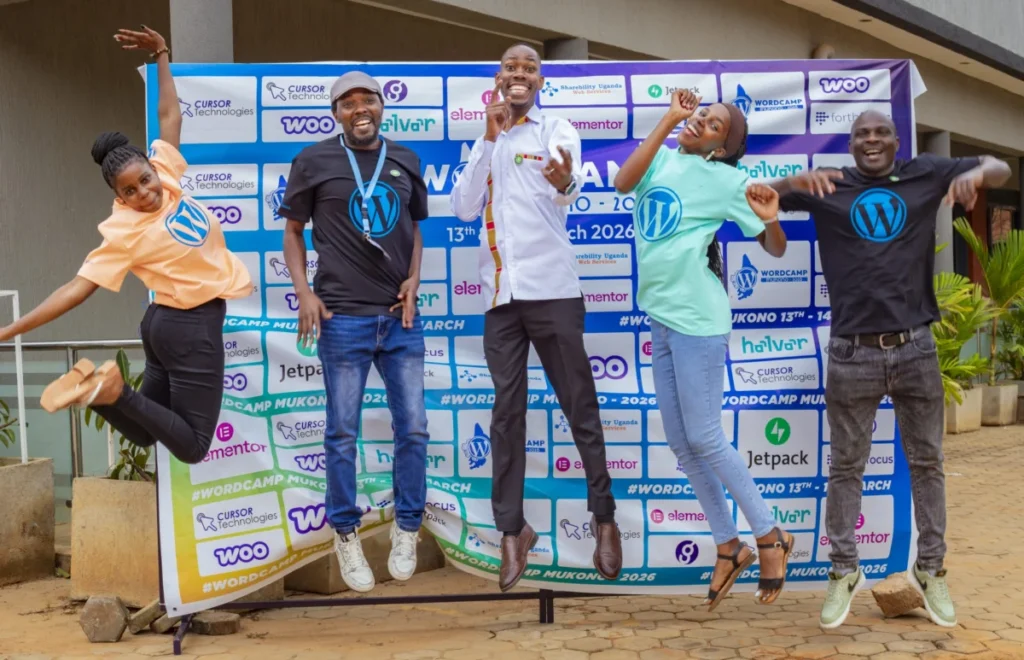
This program, supported heavily by WordPress.com, provides the infrastructure—including hosting and educational resources—needed to bring WordPress into classrooms. The data suggests a direct correlation between early exposure through Campus Connect and subsequent participation in professional-level WordCamps. For instance, in Uganda, an organizer who cut their teeth at a local event in Mukono eventually rose to lead the Campus Connect efforts for the entire region. This "pipeline of talent" is perhaps the most significant long-term success of the 2026 season.
The Role of Global Partners: Implications and Perspectives
The involvement of corporate partners in the WordPress community is often a subject of debate, but the 2026 season offers a clear answer: these partnerships are a prerequisite for community health.

The "Tech for Social Good" Paradigm
The synergy between corporate goals and community needs was most visible at WordCamp Kampala in May. With four Global Partners—Jetpack, WooCommerce, Bluehost, and WordPress.com—all represented on the sponsor roster, the event focused on the theme of "Tech for Social Good." This theme underscores that for many, WordPress is not just a commercial tool, but a platform for economic mobility. By investing in these regions, global companies are helping to lower the barrier to entry for local entrepreneurs who would otherwise lack the resources to scale their businesses.
The Rise of AI and New Tools
A recurring theme throughout every event, from Leipzig to Lisbon, has been the curiosity surrounding AI. Whether it is questions regarding WordPress Studio or the implementation of AI-assisted content generation, the community is clearly looking to the Global Partners for leadership. The willingness of these partners to host sessions on these topics suggests that the 2026 season is serving as an unofficial testing ground for the next generation of WordPress features.
Looking Ahead: Building the Future
As the WordPress community looks toward the second half of the year, the trajectory is clear: the ecosystem is becoming more professional, more global, and more technically ambitious.
The "sharper" questions being asked at booth locations and the increasing diversity of the attendees reflect a mature ecosystem that is no longer content with just "building sites." Instead, the community is focused on building sustainable businesses, high-performance web applications, and resilient digital infrastructures.
The success of the 2026 season is a testament to the symbiotic relationship between the open-source project and its Global Partners. By providing the financial and logistical support that allows organizers in Kathmandu, Porto, and Kampala to create local hubs of innovation, partners like Bluehost, Hostinger, Jetpack, WooCommerce, and WordPress.com are not just sponsoring events—they are securing the future of the web.
For those interested in participating in the remainder of the 2026 season, or for organizations looking to contribute to the project’s growth, the path forward is open. The WordPress community remains an invitation-only culture where every volunteer, speaker, and student attendee is considered an architect of the future. Information on upcoming events and sponsorship opportunities can be found via the official WordCamp Central portal.
The first half of 2026 has set a high bar, but if the current trends are any indication, the best of the WordPress event season is yet to come.