Monsoon Fury: Widespread Devastation and Landslide Scares Grip Northern and Northeastern India
Updated: July 12, 2026 | 11:20 AM IST
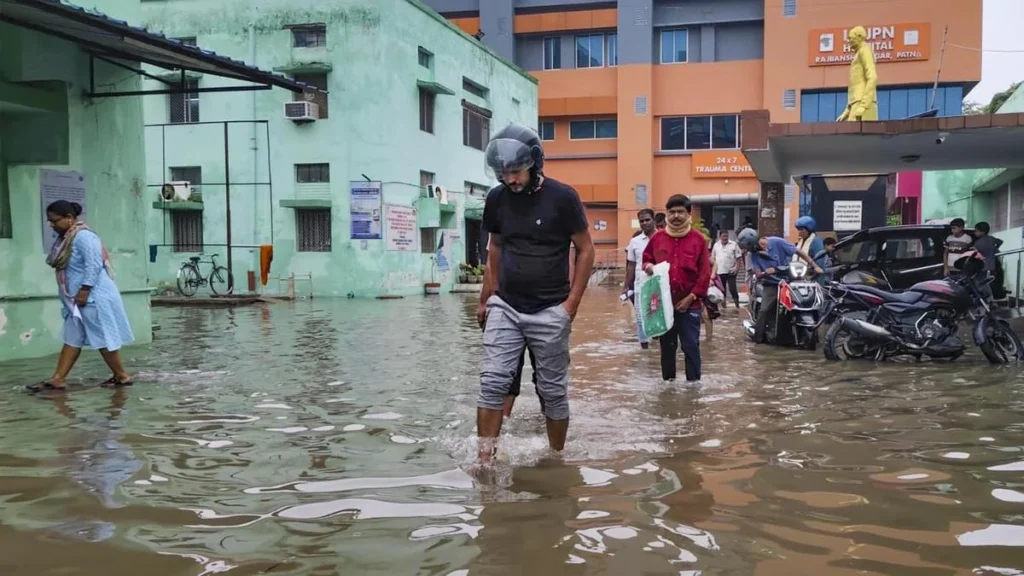
The Indian subcontinent is currently grappling with the relentless ferocity of the monsoon season. As of July 12, 2026, large swathes of the country—from the mountainous terrain of the Himalayas to the plains of Bihar and the rolling hills of Meghalaya—are facing a humanitarian and infrastructural crisis. Continuous, heavy downpours have triggered catastrophic landslides, massive flooding, and the destruction of vital transport arteries, leaving thousands of citizens in a state of precarious uncertainty.
The Human Toll: A Night of Terror in Shimla
The situation reached a critical breaking point in the early hours of July 11 in Shimla, Himachal Pradesh. In the Sanjauli area, the residents of Bothwell Estate were jolted from their sleep around 3:00 a.m. by the ominous sound of shifting earth. As the hillside began to give way, families were forced to evacuate their homes, spending the remainder of the night and the following day in the open, exposed to the biting cold and relentless rain.
The scale of the disaster in this specific locality is severe. Reports indicate that nearly 10 houses have sustained structural damage, with at least three homes teetering on the brink of total collapse as the foundation soil continues to liquefy under the pressure of the rainfall. For the displaced families, the fear is not just for their property, but for the very ground beneath their feet, which has become unstable due to excessive water saturation.
Chronology of the Crisis: A Week of Unrelenting Rain
The current monsoon surge is not an isolated event but the culmination of a week of consistent, high-intensity precipitation that began in the first week of July 2026.
- July 7–9: The India Meteorological Department (IMD) issued multiple warnings regarding the intensification of the monsoon trough. During this period, moderate to heavy rainfall was recorded across North and Northeast India, saturating the soil and raising water levels in major river basins.
- July 10: The intensity of the rainfall increased significantly. In the hill states of Uttarakhand and Himachal Pradesh, the first reports of road closures and minor landslides began to filter in.
- July 11: The situation deteriorated rapidly. By midday, reports emerged of 32 villages in Meghalaya being hit by flash floods and landslides. Simultaneously, the situation in Shimla escalated into a major emergency. In Uttarakhand, the disruption reached a critical threshold, with over 120 roads—including three major National Highways—becoming impassable.
- July 12: Emergency services and local administrations across the affected regions are currently engaged in extensive search-and-rescue operations. Assessment teams are working to evaluate the structural integrity of homes in landslide-prone zones.
The Infrastructure Collapse: Connectivity Severed
The monsoon has exposed the vulnerability of India’s mountainous infrastructure. In Uttarakhand, the devastation is particularly stark. The blocking of 120 roads has effectively isolated remote communities, turning local travel into a life-threatening endeavor.
Perhaps the most harrowing incident occurred on the Yamunotri National Highway, where approximately 100 pilgrims—many of whom were traversing the route for the Char Dham Yatra—found themselves stranded after a stretch of the road was completely washed away by a flash flood. Local authorities and emergency response teams had to conduct an urgent rescue operation to escort the pilgrims to safety, navigating treacherous, debris-strewn paths. The loss of these key infrastructure links not only hampers movement but also severely delays the delivery of essential supplies, including medicine and food, to higher-altitude settlements.
Meghalaya’s Crisis: Flash Floods in the Northeast
While the Himalayas capture the headlines, the situation in the Northeast is equally grave. Meghalaya Chief Minister Conrad K. Sangma convened a high-level review meeting on July 11 to address the escalating crisis.
The state has reported widespread damage to roads and rural infrastructure across 32 villages. The combination of flash floods and localised landslides has created a logistical nightmare for the state government. Chief Minister Sangma emphasized the need for immediate clearing of debris to ensure that connectivity is restored to the affected villages. The state’s preparedness mechanism is being tested as officials work to provide relief, shelter, and medical aid to those whose homes have been inundated or destroyed by the rising waters.

Regional Disparities: Distress in the South
The monsoon’s impact is not limited to the North and Northeast. The narrative of 2026 is one of stark, climatic contradictions. While the North battles excess water, the delta regions of Tamil Nadu are facing a different kind of crisis: a "poor monsoon" scenario compounded by a lack of Cauvery water. This disparity highlights the complex, uneven nature of the monsoon this year, where some regions suffer from the destructive power of too much water, while others suffer from the agricultural, economic, and social distress caused by its absence.
Official Responses and Mitigation Efforts
The state governments, in coordination with the National Disaster Response Force (NDRF), have ramped up their operations. The IMD continues to monitor the weather patterns, providing real-time alerts to district administrations.
However, experts point to a recurring systemic issue: the lack of structural resilience in areas prone to landslides. "We are seeing a pattern where increased rainfall intensity, coupled with unscientific construction and deforestation in hilly regions, is resulting in a higher frequency of landslips," notes an environmental analyst.
The government’s response currently focuses on:
- Immediate Rescue: Prioritizing the safety of citizens, particularly those in landslide-affected zones like Sanjauli.
- Infrastructure Restoration: Deploying heavy machinery to clear arterial roads, specifically those connecting to pilgrimage sites and remote villages.
- Preventative Monitoring: Issuing evacuation orders for residents living in high-risk zones, such as the areas surrounding the compromised Bothwell Estate.
Long-term Implications: A Changing Monsoon Pattern
The events of July 2026 serve as a grim reminder of the changing climate landscape in India. The intensity of the rainfall, condensed into short, violent bursts, is increasingly overwhelming drainage systems and geological stability.
For the people of Himachal Pradesh, Uttarakhand, and Meghalaya, the coming days remain tense. With the IMD predicting continued rainfall, the ground remains unstable. The implications for the 2026 Kharif season are also significant. While the water is essential for crops, the destruction of infrastructure and the displacement of rural populations will inevitably lead to a dip in agricultural productivity in the affected zones.
As the nation watches the rescue operations unfold, the consensus among policymakers is clear: the current monsoon preparedness strategy must evolve. The focus must shift from reactive disaster management to proactive, climate-resilient urban and rural planning. Until then, the lives of thousands—like those shivering in the open at Sanjauli—remain at the mercy of the clouds.
Stay tuned to this portal for live updates as the rescue operations continue and the monsoon progression is monitored by the India Meteorological Department.