The Evolution of an Icon: Apple Prepares for the 20th Anniversary "iPhone 20" Revolution
As the tech industry looks toward the horizon, all eyes are turning toward Cupertino. Next year marks a monumental milestone in consumer technology: the 20th anniversary of the iPhone. Since Steve Jobs took the stage in 2007 to unveil a device that would fundamentally alter the fabric of human communication, Apple has maintained a rhythm of steady, iterative improvement. However, rumors circulating through the supply chain and confirmed by industry insiders suggest that Apple is preparing to break that cycle with a radical transformation for the iPhone 20 Pro lineup.
Main Facts: The Next Frontier of Mobile Hardware
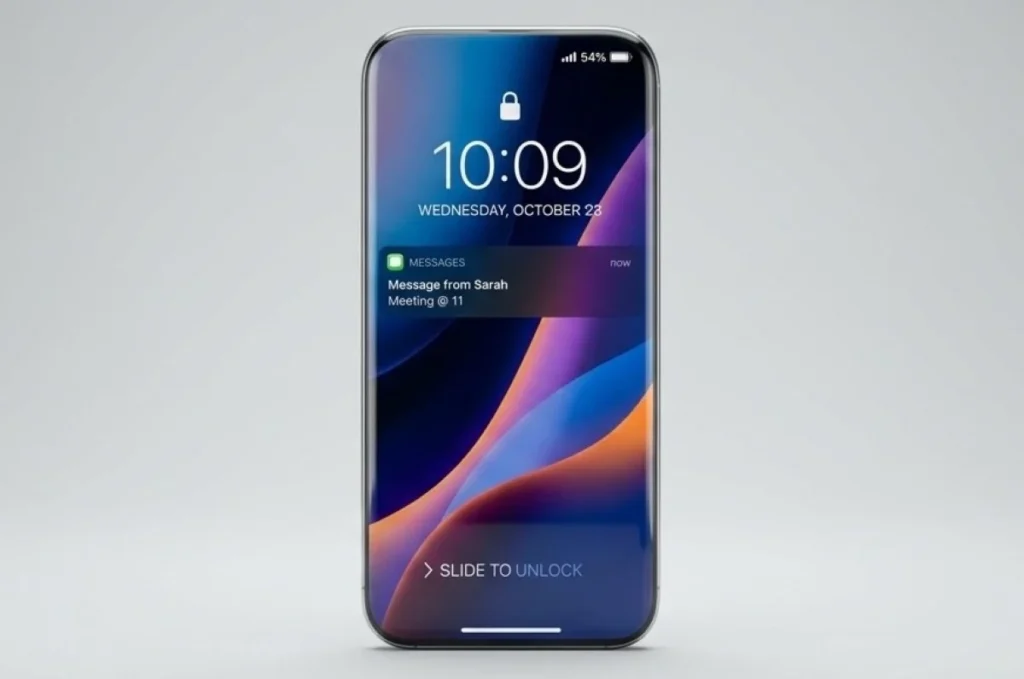
The buzz surrounding the upcoming "iPhone 20" is centered on a complete structural and aesthetic overhaul. According to reports, Apple is moving away from the traditional slab design that has characterized the device for years, opting instead for a futuristic, edge-to-edge quad-curved display. This design choice aims to eliminate the "bezel" entirely, wrapping the glass seamlessly around all four sides of the device to create a truly immersive, liquid-like interface.
Complementing this visual evolution is a shift in tactile feedback. Apple is reportedly abandoning physical, moving volume and power buttons in favor of solid-state, pressure-sensitive surfaces. These buttons will likely utilize the company’s proprietary Taptic Engine technology to simulate the sensation of a physical click, a move that would not only increase the device’s structural integrity and water resistance but also pave the way for a sleeker, more unified chassis.
Perhaps most significantly, industry tipster Digital Chat Station has unveiled that Apple is currently testing a 6.96-inch display panel. While this represents a marginal increase over the 6.9-inch display found on the current iPhone 17 Pro Max, the implications are vast. By maintaining the same aspect ratio as its predecessor, Apple is prioritizing ergonomics, ensuring that the flagship "Pro Max" model remains manageable for one-handed use despite the increased screen real estate.
Chronology: Two Decades of Innovation
To understand the weight of the iPhone 20, one must look at the path Apple has traveled since 2007.
- 2007 (The Genesis): The original iPhone introduced the multi-touch interface, rendering physical keyboards on phones obsolete.
- 2010 (The Retina Leap): The iPhone 4 brought high-density displays and a premium glass-and-steel aesthetic that defined the smartphone as a luxury object.
- 2017 (The Notch Era): The iPhone X marked the 10th anniversary, removing the home button and introducing FaceID, a decision that initially polarized users but eventually became the industry standard.
- 2020 (The 5G Shift): Apple embraced global 5G connectivity, fundamentally changing how high-bandwidth data is consumed on the move.
- 2025/2026 (The Anniversary Horizon): As we approach the 20th anniversary, the narrative shifts from "refinement" to "reinvention." The transition to solid-state hardware and under-display biometric sensors represents the culmination of a decade-long pursuit of a "single pane of glass" design.
This chronology demonstrates a clear pattern: Apple waits for significant anniversaries to introduce changes that define the next "era" of the company’s design language. The iPhone 20 is not merely an upgrade; it is positioned as the bridge between the smartphone as a peripheral and the smartphone as an integrated, invisible assistant.
Supporting Data: Display Tech and Power Efficiency
The technical specifications currently leaking from the supply chain paint a picture of a device designed for longevity. The implementation of under-display FaceID technology is a long-anticipated feature that will finally allow Apple to move away from the "Dynamic Island" and toward a completely uninterrupted display surface.
Furthermore, the integration of an improved Ceramic Shield, which now extends to the sides of the device, suggests a commitment to durability that matches the phone’s high-end aesthetic. This is a crucial pivot; as displays become more curved and exposed, the need for reinforced structural protection is higher than ever.
On the power front, the rumors of a 6,000mAh battery—a significant jump for the iPhone lineup—indicate that Apple is preparing for a future defined by AI-heavy processing and high-refresh-rate displays. Combined with rumors of advanced reverse wireless charging, the iPhone 20 Pro Max is being designed as an ecosystem hub, capable of powering AirPods or Apple Watches on the go.
Official Responses and Corporate Strategy
As is standard practice, Apple has remained characteristically silent regarding these rumors. The company’s "culture of secrecy" remains a cornerstone of its marketing strategy, ensuring that official announcements generate maximum impact during the annual September keynote.
However, the supply chain leaks—often originating from component manufacturers in Asia—offer a clear window into Apple’s priorities. The sheer volume of leaks regarding display panel dimensions and solid-state button testing suggests that the hardware design phase is nearing completion. Apple’s supply chain partners, including long-term manufacturers of display panels and haptic sensors, are currently ramping up capacity to meet what is expected to be record-breaking demand for the 20th-anniversary models.
Industry analysts suggest that this silence is deliberate. By allowing speculation to build, Apple effectively captures the public imagination, ensuring that when the device is finally revealed, the narrative is already firmly established as a "revolutionary" event rather than just a routine hardware update.
Implications: The Future of the Smartphone Market
The shift toward a 6.96-inch quad-curved display and solid-state hardware carries profound implications for the mobile industry.
For the Competition
If Apple successfully implements a true edge-to-edge, four-sided curved display, competitors will be forced to follow suit. This will accelerate the decline of traditional flat-panel designs in the premium segment. Furthermore, the move to solid-state buttons could signal the end of mechanical failure in mobile devices, setting a new benchmark for "unibody" construction.
For the User Experience
The implications for the user are both aesthetic and functional. A quad-curved display offers a more immersive experience for media consumption and gaming. Meanwhile, the increase in battery capacity to 6,000mAh addresses one of the most common consumer pain points: battery anxiety. If Apple successfully integrates reverse wireless charging, it reinforces the "walled garden" strategy, making the Apple Watch and AirPods even more essential for iPhone users.
For Apple’s Bottom Line
Financially, the 20th anniversary serves as a massive catalyst. Historically, major redesigns correlate with "super-cycle" sales events where the existing user base upgrades in large numbers. By offering a design that is visually distinct from the last five years of iPhone models, Apple is ensuring that the iPhone 20 will be an irresistible proposition for those holding onto older hardware.
Conclusion: A Turning Point for Cupertino
The iPhone 20 is shaping up to be more than just a commemorative device; it is a statement of intent. In an era where the smartphone market has become saturated and innovation is often criticized as incremental, Apple is attempting to prove that there is still room for radical design evolution.
By marrying high-capacity power solutions with futuristic, screen-centric hardware, Apple is not just celebrating the last 20 years—it is laying the foundation for the next 20. Whether these rumors materialize into a consumer-ready product exactly as described remains to be seen, but one thing is certain: the tech world is holding its breath for the day the iPhone turns twenty. If the leaks are to be believed, the industry is about to witness the most significant transformation of the modern smartphone since its inception.