The Nokia 123 Shield: HMD Global’s Strategic Pivot Toward Ruggedized Simplicity
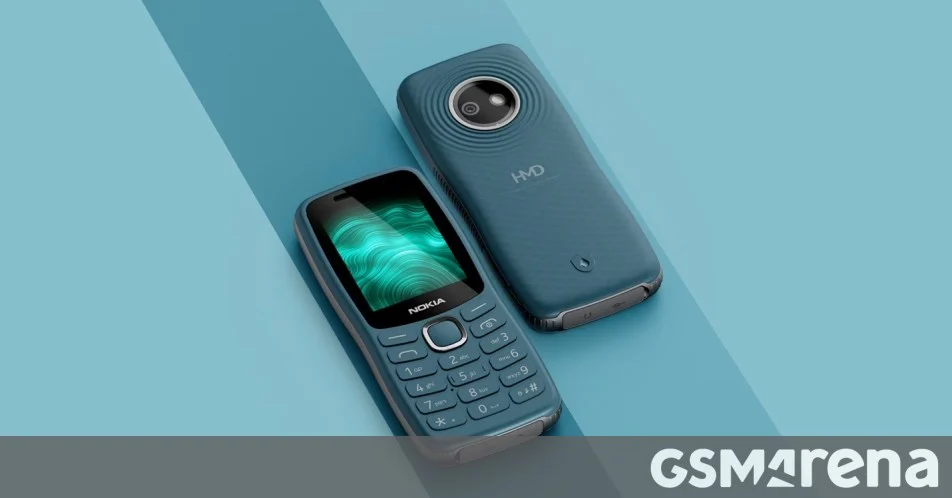
In a mobile landscape dominated by high-end smartphones featuring octa-core processors, triple-camera arrays, and massive OLED displays, HMD Global has carved out a distinct niche by revitalizing the "feature phone" market. The latest entry in this enduring category is the Nokia 123 Shield, a device explicitly engineered to withstand the rigors of the elements while maintaining the functional purity that has defined the Nokia brand for decades. By positioning the 123 Shield as its most affordable water and dust-resistant handset to date, HMD is signaling a clear intent to dominate the industrial and outdoor-utility market.
Main Facts: A Durable Companion for the Modern Worker
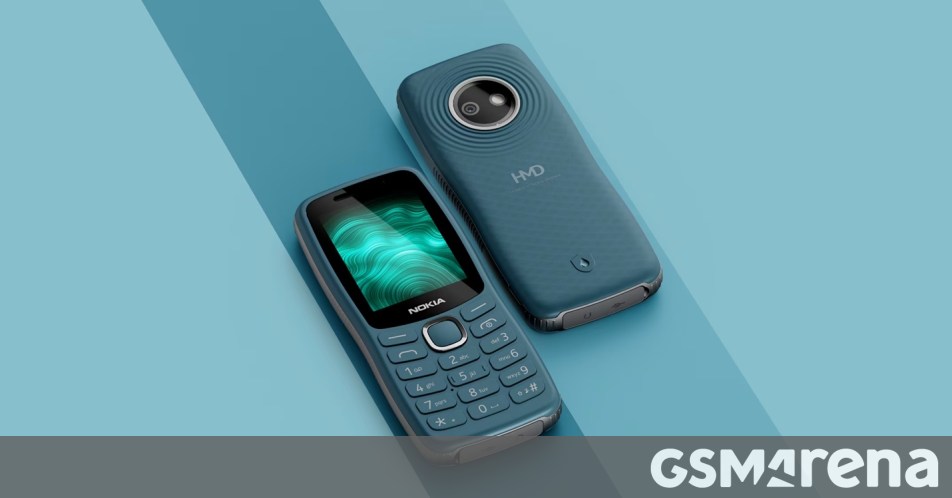
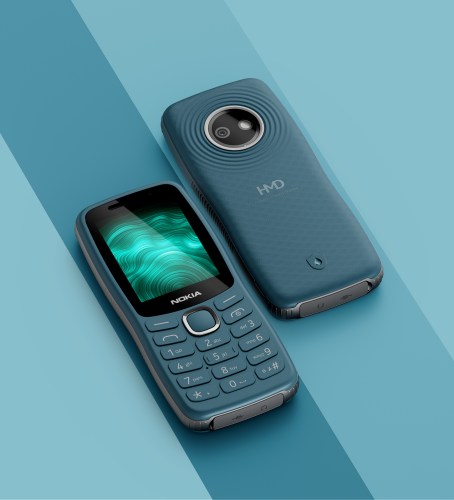
The Nokia 123 Shield is not designed for the social media power user; it is designed for the individual who views a phone as a reliable tool rather than a digital companion. At its core, the device is a 2G-capable feature phone, but its value proposition lies in its hardware durability and signal reliability.
The device boasts an IP65 rating, meeting the IEC 60529 standard. This ensures that the phone is effectively "dust-tight" and can withstand low-pressure water jets from any angle. For the construction worker, the hiker, or the outdoor enthusiast, this provides a level of peace of mind that most consumer electronics simply cannot offer. The physical design reflects this utilitarian ethos, featuring a tactile, slip-resistant texture on the sides to ensure a firm grip even when wet or muddy. Furthermore, HMD has integrated rubber seals over the 3.5mm headphone jack and the USB-C charging port, effectively barricading the most vulnerable entry points against debris and moisture.
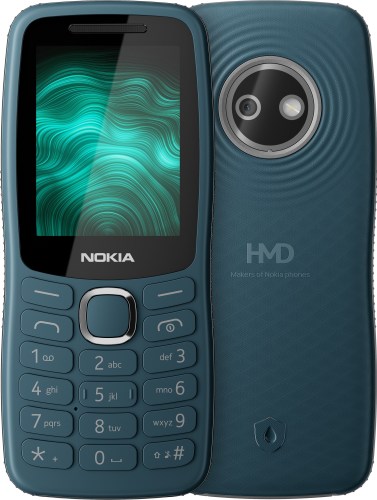
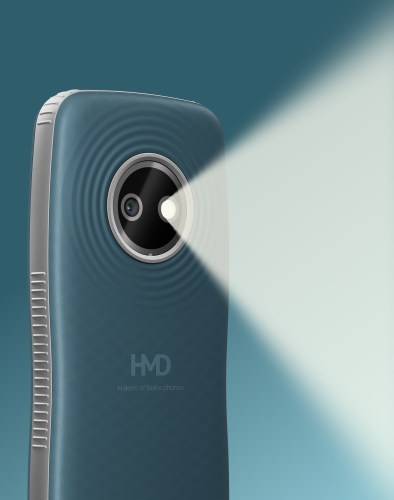
Under the hood, the device is powered by the Unisoc SC6531E chipset, paired with 4MB of RAM and 4MB of onboard storage. While these specifications may appear modest by modern standards, they are optimized for the S30+ operating system, which is designed for maximum efficiency. The storage is expandable up to 32GB via a microSD card, allowing users to store music or files locally. The visual experience is delivered through a 2.4-inch QVGA display, and the rear of the device houses a basic QVGA camera accompanied by an LED flash. Notably, this flash is engineered to be 300% brighter than the one found on the Nokia 110, effectively serving as a high-intensity emergency torch.
The Evolution of Utility: A Chronology of HMD’s Rugged Strategy
To understand the release of the Nokia 123 Shield, one must look at the trajectory HMD Global has taken since it assumed the Nokia license. Initially, HMD focused on "nostalgia marketing," re-releasing iconic devices like the 3310 and the 8110. While successful, these devices were largely novelty items.
As the market matured, HMD shifted its strategy toward "utility-first" design. This shift began with the introduction of the Nokia 800 Tough, a 4G-enabled rugged device that targeted professionals working in harsh environments. However, the 800 Tough carried a price tag that excluded a significant portion of the entry-level market.
The Nokia 123 Shield represents the third phase of this evolution: the democratization of ruggedness. By stripping away non-essential technologies—such as 4G or complex app ecosystems—HMD has managed to bring the "Shield" concept to a price point that is accessible to laborers, students, and budget-conscious consumers across emerging markets. The release, occurring in mid-2026, marks the point where HMD has successfully integrated industrial-grade protection into its most entry-level chassis, a feat that eluded the company in previous iterations.
Supporting Data: Technical Specifications and Performance Metrics
The performance of a feature phone is rarely measured in benchmarks; it is measured in "up-time" and "connectivity."
Signal Integrity and Connectivity
HMD claims that the 123 Shield has been internally optimized for signal strength. In an era where 2G networks are being phased out in some regions, the 123 Shield is built to extract maximum performance from the remaining spectrum. Internal testing suggests that the antenna array provides a more stable connection in remote areas compared to the Nokia 105, which has long been the gold standard for basic connectivity.
Battery Longevity
The centerpiece of the device’s daily operation is its 1,750 mAh removable battery. In the age of sealed-glass smartphones that require daily charging, the 123 Shield offers a radical alternative. With standby times reaching up to 19 days and continuous talk time estimated at 27.9 hours, the phone is theoretically capable of supporting a full week of heavy work without a visit to a power outlet. The adoption of USB-C charging is a modern, welcome update, replacing the legacy pin chargers that plagued older Nokia feature phones.
Comparative Table: The 123 Shield vs. Legacy Models
| Feature | Nokia 105 | Nokia 110 | Nokia 123 Shield |
|---|---|---|---|
| Durability | Standard | Standard | IP65 Rated |
| Battery | ~1000 mAh | ~1000 mAh | 1750 mAh |
| Flashlight | Basic | Standard | 300% Brighter |
| Port | Micro-USB/Pin | Micro-USB | USB-C |
Official Responses and Strategic Vision
HMD Global has positioned the Nokia 123 Shield not merely as a phone, but as a "tool for the field." In press communications, the brand emphasizes that the "Shield" suffix is deliberate. It is meant to evoke a sense of protection and reliability.
"Our goal with the 123 Shield was to remove the anxiety associated with using a phone in the real world," an HMD spokesperson noted during the initial rollout. "Whether you are a mechanic, a gardener, or a worker on a remote site, you shouldn’t have to worry about a splash of water or a drop of dust killing your primary means of communication."
The company has intentionally avoided aggressive marketing of the IP65 rating in headline advertisements, opting instead to place it in the technical footnotes to manage expectations. By doing so, they avoid the potential legal pitfalls of promising "waterproofing" while providing "water resistance," yet they simultaneously signal to the informed consumer that this device is built to a higher standard than its competitors.
The Broader Implications: Why Feature Phones Still Matter
The launch of the Nokia 123 Shield carries significant implications for the global mobile industry. It highlights a growing "digital fatigue" among consumers who are becoming increasingly weary of the constant connectivity and fragility of modern smartphones.
The Rise of the "Digital Detox"
There is a growing trend among urban professionals to use "dumb phones" as secondary devices. The Nokia 123 Shield, with its long battery life and lack of distracting apps, serves as a perfect candidate for those seeking to disconnect from social media while remaining reachable by phone and SMS.
The Industrial Necessity
Beyond the trend, there is the undeniable reality of industrial utility. In many sectors—construction, agriculture, and logistics—the smartphone is a liability. It is too expensive to risk, too fragile to handle, and its battery rarely lasts through a double shift. HMD is capturing this market by providing a specialized device that fills a void left by Apple, Samsung, and other manufacturers who have abandoned the entry-level rugged market.
Pricing and Availability
While HMD has not issued a global MSRP, the retail listings in Bulgaria and Greece provide a clear indicator of the intended price point: between €35 and €40. This is a critical price bracket. It is low enough to be an impulse purchase, yet high enough to ensure the build quality remains robust. By keeping the price under the €50 threshold, HMD is effectively insulating itself from the mid-range competition while maintaining a profit margin that is sustainable for a high-volume, low-cost device.
Final Assessment: A New Benchmark for Utility
The Nokia 123 Shield is a testament to the fact that innovation is not always about adding features—sometimes, it is about perfecting the fundamentals. By focusing on battery life, signal reliability, and physical durability, HMD has created a product that solves real-world problems for a specific segment of the population.
As 2G networks continue to provide the backbone for rural and industrial communication, the 123 Shield will likely become a ubiquitous sight on job sites. It is a humble device, certainly, but in its own specific domain, it is an over-performer. It reminds us that the most valuable technology is often the technology that we can rely on when the environment is at its worst. In the crowded arena of modern electronics, HMD has managed to find a quiet corner of excellence, proving that there is still a place for the simple, the sturdy, and the dependable.