The Fall of TeamPCP: How a Reckless Cyber-Syndicate Humiliated Global Tech Giants
In a significant blow to the global cybercrime ecosystem, the Australian Federal Police (AFP) have arrested two men from Western Australia, bringing a dramatic end to the reign of "TeamPCP." The group, a loosely affiliated but highly effective syndicate of threat actors, has been responsible for what security analysts characterize as the most prolific and longest-running software supply chain attack spree in history.
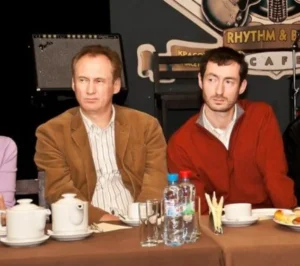
The suspects—identified in reports as 21-year-old Ruben Ian Thomson and 23-year-old Michael Gaebler—were apprehended in Perth following a joint investigation involving the AFP, the FBI, and Western Australia Police. The pair face a combined 14 cybercrime-related charges. According to court records, both men have been remanded in custody, with Thomson denied bail, marking a sharp conclusion to a months-long investigation that exposed not only the group’s technical sophistication but also their chaotic, substance-fueled lifestyle.

A New Breed of Cyber-Threat
TeamPCP emerged onto the global stage in late 2025, operating less as a traditional, hierarchical criminal organization and more as a "peer community" of skilled, albeit volatile, hackers. Their primary weapon was the "Shai-Hulud" worm, a self-propagating piece of malware designed to infiltrate open-source software development pipelines.
By compromising the credentials of developers on platforms like GitHub and NPM, the group embedded malicious code into hundreds of widely used software tools. Once a developer unknowingly integrated a poisoned library into their own work, the malware would spread, eventually reaching corporate cloud environments. This cyclical exploitation allowed TeamPCP to maintain a persistent, expanding foothold across thousands of global businesses.

"It is not a structured criminal crew with a single operator," explained Austin Larsen, a principal threat analyst at Google Threat Intelligence Group. "It is a peer community of individually-skilled actors, with one clear center of gravity." That center was Ruben Thomson, who operated under various handles—including "Ellis" and "Deadcatx3"—and leveraged his background in web development to scale the group’s malicious operations.
Chronology of a Digital Siege
The trajectory of TeamPCP was defined by a rapid escalation in ambition and technical reach:

- Mid-2025: TeamPCP begins its operations, initially focusing on small-scale credential theft and opportunistic data ransoming. The group establishes its presence on forums like Breachforums and Darkforums, with key figures like Thomson (under the handle "BulkDMT") selling access to stolen data sets.
- Late 2025: The group launches "Shai-Hulud," marking a transition from simple data theft to sophisticated supply chain attacks.
- March 2026: In one of their most damaging operations, TeamPCP compromises the code for "LiteLLM," an open-source AI gateway. Security firm CloudSEK later revealed that this breach harvested cloud service keys and sensitive secrets from over 2,500 organizations, including major technology companies.
- May 2026: The group’s notoriety grows as they claim credit for compromising at least 3,800 code repositories at GitHub. They further attempt to incentivize recruitment by launching a "hacking contest," offering Monero (XMR) to participants who could conduct the largest supply chain operations using their code.
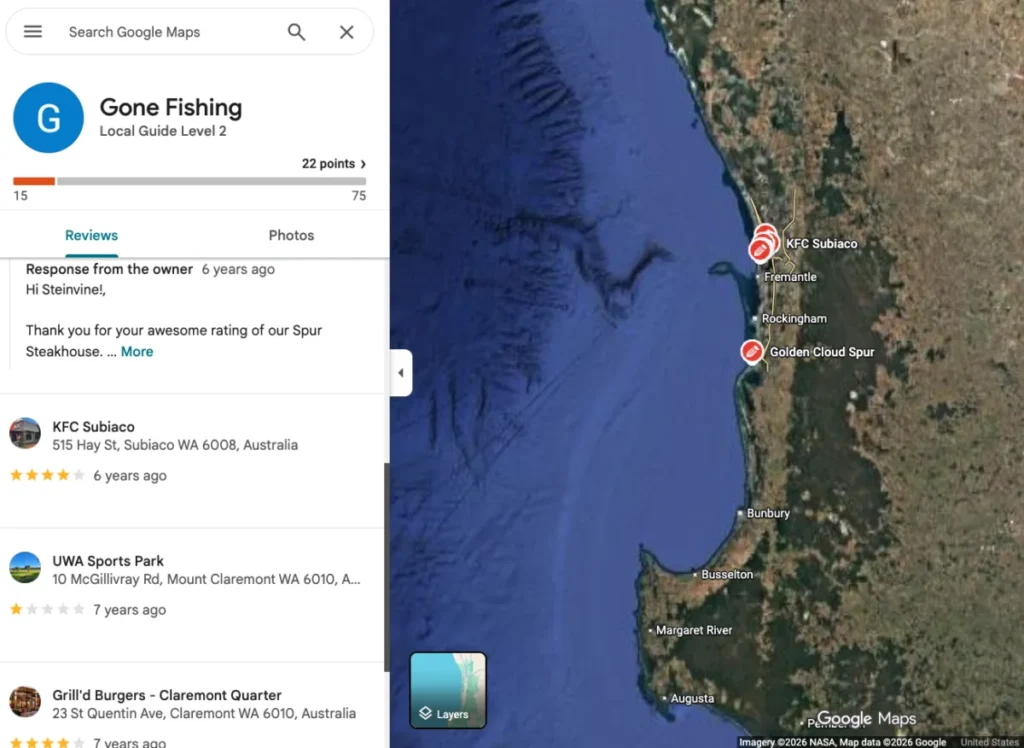
- July 2026: Investigative journalists and security firms begin to piece together the real-world identities of the group’s leaders. Clues, including leaked IP addresses, business registrations in Perth, and recurring aliases, start to point directly to Thomson.
- August 2026: The AFP executes search warrants in Perth, resulting in the arrests of Thomson and Gaebler.
The "Cybercats" and the Anatomy of Failure
The group’s downfall was not the result of a single technical misstep, but a cascading series of failures in "operational security" (OPSEC). Despite their technical prowess, the members of the "Cybercats" Matrix chat—a hub for TeamPCP and allied hackers—repeatedly ignored basic anonymity protocols.
Thomson, in particular, displayed an almost paradoxical disregard for his own safety. He registered companies in Australia—such as "OPSEC Express"—using the same handles he employed on dark-web forums. He utilized personal email addresses linked to his family’s business for cybercrime registrations and even created a "bug bounty" profile on HackerOne using his known alias, "Deadcatx3."

Beyond the technical trail, the group’s internal culture was hampered by severe substance abuse. Members frequently discussed their use of hallucinogens and narcotics, with Thomson often citing extended periods of sobriety followed by relapses that kept him incapacitated for days. These personal struggles were frequently broadcast in the group’s chats, providing researchers and law enforcement with a window into the human chaos behind the code.
Official Responses and Intelligence Findings
The investigation was heavily supported by private-sector threat intelligence. Firms like Intel 471, SpyCloud, and Flashpoint provided critical data linking the digital personas of TeamPCP to physical locations in Western Australia.

In a candid interview with KrebsOnSecurity shortly before his arrest, Thomson (speaking as "Ellis") acknowledged the allure of the black-hat lifestyle. He described his involvement as a way to find community and purpose, claiming, "Blackhatting is fun. There are actual rewards and incentives to learn and you grow with your team." When asked about his future, he appeared resigned to the inevitability of his capture, noting that he lacked the support system to transition into legitimate IT work.
The AFP’s statement underscored the severity of the charges, emphasizing the "sophisticated" nature of the syndicate’s activities. By creating malicious open-source tools, the group had effectively weaponized the trust that the global developer community relies upon to function.

Implications: A Catalyst for Security Reform
While TeamPCP caused immense disruption, security researchers argue that their legacy may paradoxically be one of positive change. Charlie Eriksen, a researcher at Aikido Security, labeled the Shai-Hulud worm "the best thing to happen to supply chain security."
The group’s brazen attacks forced a reckoning within the industry. GitHub, responding to the persistent threat of poisoned updates, introduced a mandatory three-day "cooldown" mechanism for its Dependabot service. This feature gives maintainers and security tools a window to detect and neutralize malicious code before it can be widely adopted. Other coding ecosystems have since followed suit, adopting similar safeguards.

"They managed to wake up Microsoft to the fact that they had become negligent in terms of security," Eriksen noted. "By compromising GitHub and stealing their source code, they humiliated Microsoft into action, making them finally act on what we had been asking them to do for a while."
Furthermore, the TeamPCP case highlights the changing landscape of cyber-warfare. The accessibility of Large Language Models (LLMs) has compressed the "knowledge gap," allowing less experienced actors to conduct complex operations that were previously the domain of state-sponsored groups.

"They can be noisy, they can make mistakes," Eriksen warned. "They can leave evidence everywhere. But that does not necessarily make them less dangerous. In some ways, it can make them more dangerous."
As Thomson and Gaebler await their next court appearance on September 18, the cybersecurity world watches closely. Their arrest serves as a stern reminder that even the most "sophisticated" threat actors are ultimately undone by the human elements of ego, negligence, and the inability to maintain the very operational discipline they claim to master. For now, the "Cybercats" are silenced, but the vulnerabilities they exploited remain a critical focus for developers and security professionals worldwide.