A New Horizon: Visakhapatnam’s Ambitious ₹725-Crore Project to Solve Chronic Water Woes
Visakhapatnam, September 28, 2026 — For the residents of Madhurawada, a bustling corridor defined by its soaring high-rise apartments and expanding IT hubs, the daily struggle for water has long been a source of frustration. Currently, many communities in this rapidly urbanizing zone receive municipal water only once every two to three days, forcing a heavy, expensive reliance on private water tankers. However, a massive infrastructure overhaul is on the horizon. The Greater Visakhapatnam Municipal Corporation (GVMC) has announced the commencement of a landmark ₹725.18-crore project designed to bring round-the-clock (24×7) drinking water to the northern corridor, marking a significant shift in the city’s urban utility management.
The Core Mandate: Bringing Godavari Water to the North
The ambitious initiative, officially inaugurated by the Chief Minister, is set to transform the water supply landscape for thousands of families and commercial enterprises. By tapping into the Godavari water supply system, the project aims to stabilize the supply chain in a region that has historically suffered from being overly dependent on rain-fed reservoirs and erratic groundwater levels.
The project is not merely an extension of existing pipes; it is a sophisticated engineering undertaking. The plan involves creating an extensive, interconnected pipeline network that will transport raw and treated water from the Yeleru source, moving through KBR and Meghadrigedda, passing through Pendurthi, and ultimately terminating at the Mudasarlova reservoir. This integration will create a robust, resilient grid capable of meeting the demands of a growing population.

Chronology of the Initiative
The road to this project has been one of rigorous planning and administrative alignment. The journey toward a 24×7 supply system began with the identification of the northern corridor as a high-stress area due to uncontrolled real estate growth outstripping existing municipal infrastructure.
- Project Approval and Funding: The project secured its status under the Union Government’s Urban Challenge Fund (UCF), which provided the essential financial backing required for such a large-scale public utility endeavor.
- Tendering Process: Over the last several months, the GVMC navigated the complex bureaucratic process of opening tenders, ensuring transparency and selecting contractors capable of meeting the strict 18-month execution window.
- Inauguration: Following the official foundation stone laying ceremony by the Chief Minister, the project shifted into the mobilization phase.
- Construction Kick-off: With administrative formalities now cleared, officials have confirmed that heavy civil works are slated to begin in October 2026.
- Projected Completion: The project is designed with a comprehensive commercial operation date (COD) set for April 2029, with the 18-month execution window ensuring that the infrastructure is phased into service as construction progresses.
Technical Scope and Supporting Data
The sheer scale of this project is best illustrated by the data behind its design. GVMC Commissioner Ketan Garg, who has been instrumental in spearheading the project, provided a breakdown of the infrastructure components that will define the new system:
- Total Project Cost: ₹725.18 crore.
- Funding Structure:
- 25% (₹181.29 crore) via the Urban Challenge Fund (UCF) grant.
- 25% (₹181.29 crore) as a matching contribution from the GVMC.
- 50% (₹362.59 crore) through a long-term loan, structured at 9% interest per annum with a repayment timeline extending to September 2041.
- Operational Capacity: The system will feature a new 65 MLD (Million Liters per Day) water treatment plant.
- Infrastructure Footprint: The project will lay a 417-km distribution network, supported by 7,900 KL of storage capacity.
- Smart Integration: A hallmark of this project is its digital-first approach. It includes 37,407 smart meter connections, real-time monitoring via SCADA (Supervisory Control and Data Acquisition) systems, GIS mapping, and full integration with the city’s central City Operations Centre.
By implementing District Metered Areas (DMAs), the GVMC aims to minimize non-revenue water (leaks and theft), ensuring that the water actually reaches the end-users.

Official Perspective: Prioritizing Stability
GVMC Commissioner Ketan Garg emphasized that the project is more than just infrastructure; it is an essential intervention to secure the economic future of the northern corridor. "The goal is to move away from erratic, intermittent local supply to a continuously pressurized smart water network," Garg stated.
He explained that by routing Godavari water directly into the Madhurawada zone, the city will effectively reduce the "heavy burden" currently placed on the Gosthani river. This, in turn, creates a more diversified and reliable water portfolio for the entire region. "Solving the chronic water shortage in this rain-fed zone remains our top priority," Garg added. The shift toward a 24×7 pressurized system is expected to drastically reduce the prevalence of water contamination issues often associated with intermittent supply pipes, which can experience negative pressure during outages.
Implications: A Catalyst for Urban Growth
The implications of this project are far-reaching. For the residents of the Yendada-Madhurawada corridor, the shift promises to end the "tanker raj"—the expensive and unreliable practice of purchasing water from private suppliers.

Impact on Real Estate and Commercial Hubs
Visakhapatnam’s northern corridor is the city’s primary growth engine, home to high-rise residential complexes and several major IT parks. Until now, the lack of a reliable water supply has acted as a silent inhibitor to development. Reliable water is a fundamental requirement for the hospitality sector, large-scale residential living, and data centers within IT parks. By guaranteeing a consistent supply, the GVMC is effectively stabilizing the operating environment for businesses and improving the quality of life for the workforce.
Sustainability and Groundwater Management
Perhaps the most critical, albeit less visible, benefit of the project is the relief it will provide to the region’s natural aquifers. The rapid expansion of high-rise buildings in the corridor has led to a precipitous drop in groundwater levels. By importing Godavari water and weaning the area off local borewells, the project will allow the water table to recharge over time. This ecological recovery is essential for the long-term climate resilience of Visakhapatnam.
The Challenge of Execution
While the plan is robust, the challenge for the GVMC will be the execution of a 417-km pipeline network within a densely populated urban environment. The 18-month timeline is ambitious, requiring precise coordination with road departments, electricity utilities, and private landowners. Commissioner Garg has signaled that the corporation is prioritizing the schedule to ensure the transition happens as quickly as possible, aligning with the city’s rapid infrastructural growth leading up to 2028.

Looking Ahead: A Model for Future Urbanization
As Visakhapatnam continues to evolve into a major metropolitan hub, projects like the Madhurawada water supply initiative serve as a blueprint for modern urban planning. The emphasis on smart metering, GIS-based monitoring, and sustainable funding models demonstrates a shift toward "utility-first" governance.
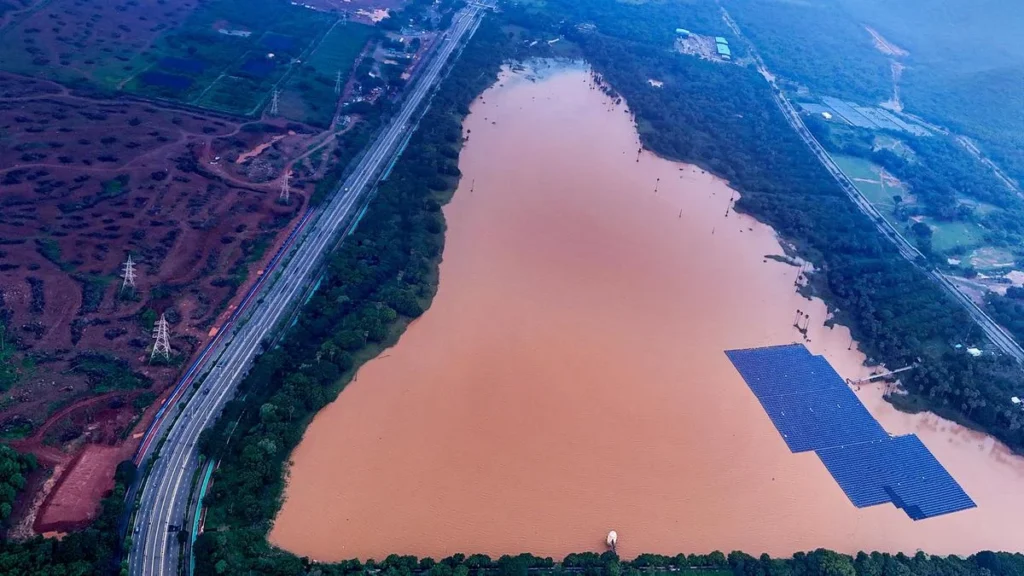
The integration of the Mudasarlova reservoir as a key node in this network—a reservoir that recently proved its worth by filling up during heavy rains—further highlights the city’s strategy of combining new-age engineering with existing natural assets. For the people of Visakhapatnam, the coming months will be a period of intense construction activity, but for those who have spent years navigating water crises, the promise of a reliable tap is a future worth waiting for.
By April 2029, the successful completion of this project will likely change the narrative of the city’s northern corridor from one of "struggle" to one of "sustainability," setting a new standard for municipal water management in Andhra Pradesh.