Bengaluru’s Spurious Drug Racket: SIT Expands Probe to Hospitals as Inter-State Network Unravels
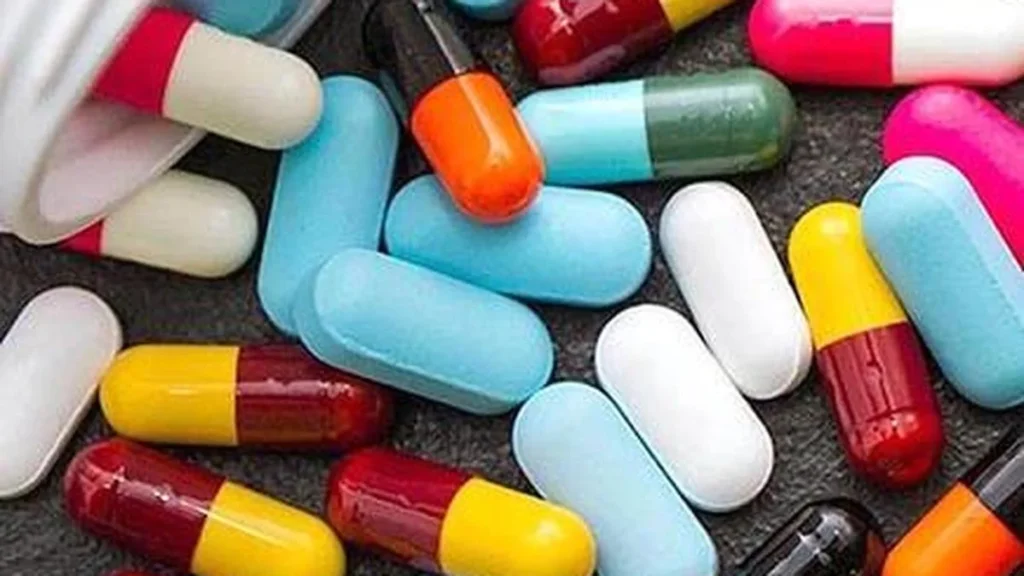
BENGALURU: The investigation into a sprawling, multi-crore spurious medicine racket that sent shockwaves through the pharmaceutical sector has taken a critical turn. The Special Investigation Team (SIT), currently tasked with dismantling the illicit supply chain, has shifted its focus toward the end-user facilities—specifically, a network of hospitals in Bengaluru suspected of procuring and administering counterfeit drugs to patients.
As the probe deepens, the SIT is no longer merely looking at the manufacturing and distribution nodes; it is now interrogating the institutional complicity that allowed these fake medications to enter the clinical stream. With the discovery of counterfeit stock worth an estimated ₹5 crore near Bidadi, the stakes for patient safety and public health oversight have never been higher.
The Core of the Investigation: Targeting Institutional Procurement
The SIT’s recent move involves issuing formal notices to several hospitals across Bengaluru. These institutions are now under the scanner for their procurement practices, specifically regarding medicines sourced from the accused parties linked to the racket.
The core question driving this phase of the investigation is one of "willful blindness" versus "negligence." Investigators are scrutinizing whether these hospitals were aware of the illicit origins of the drugs or if they bypassed mandatory pharmaceutical procurement protocols to secure medicines at significantly reduced prices.
"We are examining whether these hospitals adhered to the standard operating procedures required for the purchase of life-saving drugs," an official close to the investigation stated. "When medications are offered at a price point substantially lower than the market rate, it should serve as an immediate red flag for any licensed medical facility. We are investigating whether this was a case of ignorance or a deliberate choice to boost profit margins at the cost of patient safety."
The implications are severe: if hospitals are found to have knowingly purchased fake drugs, they could face criminal charges, the revocation of their operational licenses, and massive liability for the health complications caused to patients who received these ineffective or potentially toxic pills.
Chronology of the Racket
The investigation, which gained significant momentum following the high-profile arrest of the alleged kingpin, Prashanth, has been a complex web of forensic tracing.
- Initial Discovery: The racket first came to light following a tip-off regarding a clandestine facility near Bidadi, where law enforcement discovered a massive cache of spurious drugs with an estimated street value of ₹5 crore.
- The Arrest of Key Personnel: Following the raid, the SIT apprehended six individuals, who began providing details on the hierarchical structure of the operation. Their testimonies consistently pointed toward a centralized figure, Prashanth, who allegedly micromanaged the entire lifecycle of the fake medicines.
- The Kingpin’s Capture: The subsequent arrest of Prashanth provided the SIT with the "architect" of the network. Under interrogation, he has become the primary subject of the investigation, with officers focusing on his financial trails and business associations.
- Expansion of the Scope: In late September 2026, the SIT broadened its scope, transitioning from the production side to the consumer side, leading to the current investigation of hospitals and the potential international reach of the network.
Unraveling the Supply Chain: From Local Labs to Global Links
One of the most alarming aspects of the current probe is the potential for international involvement. The SIT is actively investigating whether the racket extends beyond the borders of Karnataka and even India.

Evidence gathered during the interrogation of the six previously arrested individuals suggests that Prashanth may have leveraged international contacts to facilitate the procurement of raw materials or to create a facade of legitimacy for the packaging and labeling process. The "relabeling" of medicines—a process where expired or low-quality drugs are repackaged to look like premium, branded pharmaceuticals—is believed to have been a highly sophisticated operation, designed to evade detection by both retailers and consumers.
The SIT is currently:
- Tracing Financial Flows: Using forensic accounting to follow the money, particularly looking for foreign currency transactions that might indicate an international connection.
- Examining Supply Routes: Mapping the movement of raw chemical components, which are often sourced from unregulated local chemical suppliers and then processed in hidden, makeshift laboratories.
- Auditing Pharmaceutical Companies: The SIT has summoned representatives from several pharmaceutical companies to determine if the racket involved the unauthorized use of their branding or if there was internal collusion at the corporate level.
Supporting Data and Economic Implications
The scale of this racket highlights a systemic vulnerability in the pharmaceutical supply chain. The ₹5 crore seizure is likely only the "tip of the iceberg," according to industry analysts.
The economic model of the racket was built on extreme exploitation of the supply chain. By sourcing ingredients at rock-bottom prices and bypassing the regulatory checks that ensure purity and efficacy, the perpetrators were able to undercut legitimate distributors. For a hospital or a pharmacy operating under thin margins, the temptation to procure "cheaper" inventory without rigorous verification has proven to be a fatal flaw in the system.
Furthermore, the Drugs Control Department, in coordination with the SIT, has reached out to the Central government to discuss a comprehensive price-capping and regulation policy. The goal is to standardize the price of essential medicines so that hospitals and retailers have less incentive to turn to the gray market in search of higher margins.
Official Responses and Regulatory Pressure
The Karnataka government has faced mounting pressure to ensure that the investigation is transparent and that the culprits face the full weight of the law. The Drugs Control Department has adopted a zero-tolerance stance, promising to blacklist any institution found to have compromised patient safety.
"The integrity of our healthcare system is non-negotiable," a spokesperson for the Health Ministry noted. "We are working closely with the SIT to ensure that every link in this criminal chain is identified. Whether it is a small-time distributor or a large-scale hospital, those who profited from the health of our citizens will be held accountable."
The Pharmaceutical Export Promotion Council and other industry bodies have also condemned the activities, urging the government to digitize the tracking of every pill from the manufacturing unit to the patient’s bedside. This proposal, often referred to as "Track and Trace," would utilize blockchain technology to verify the authenticity of medicine batches, potentially ending the era of relabeling and counterfeit distribution.

The Human Impact: Implications for Patient Safety
Behind the legal jargon and the figures of the SIT investigation lies the most critical issue: the health of the patients who consumed these drugs.
Spurious drugs are dangerous not only for what they might contain—such as harmful fillers or toxic heavy metals—but also for what they lack. In the case of antibiotics or cardiac medication, a patient receiving a sugar pill or a diluted dose faces the risk of worsening conditions, treatment resistance, or death.
The SIT is now working with medical professionals to assess the health outcomes of patients who were treated at the hospitals currently under investigation. This process involves reviewing medical records to see if patients experienced unexpected side effects or failed to respond to treatments that should have been effective.
Future Outlook: A Structural Overhaul
As the SIT continues its investigation, the case of the Bidadi racket is likely to serve as a catalyst for sweeping reforms in the Indian pharmaceutical sector. The reliance on legacy procurement systems, the lack of rigorous, real-time auditing of pharmaceutical inventories in hospitals, and the porous nature of state borders for the movement of goods are all being re-evaluated.
The SIT’s probe is expected to conclude with a comprehensive report that will not only seek to prosecute the individuals behind the current racket but also propose legislative changes to the Drugs and Cosmetics Act. These changes would likely focus on increasing the penalties for counterfeit drug production and mandating stricter oversight of hospital pharmacy procurement departments.
For now, the people of Bengaluru and the broader public await the findings of the SIT. The message from the authorities is clear: the era of the "spurious drug" is being challenged, and the investigation will not stop until every hospital, distributor, and mastermind involved is brought to justice. The coming months will be a litmus test for the state’s ability to protect its citizens from those who have turned the business of healing into a trade of deception.