The New Chapter: Amazon Overhauls Its Kindle Lineup with Refined Design and Enhanced Performance

Amazon has officially ushered in a new era for digital reading, unveiling a comprehensive refresh of its iconic Kindle portfolio. The announcement, which spans three distinct product lines—the entry-level Kindle, the fan-favorite Paperwhite, and the innovative Colorsoft—marks a significant departure from previous design languages. By prioritizing a thinner, lighter aesthetic, premium materials, and internal performance boosts, Amazon is signaling a clear intent to maintain its dominance in a market that has seen increasing competition from e-paper tablet manufacturers.
Main Facts: A Unified Design Philosophy
The cornerstone of this year’s release is a commitment to physical refinement. Across all three models, Amazon has implemented a “flush-display” design that eliminates the recessed screens of older generations. This shift not only provides a more modern, smartphone-like aesthetic but also creates a seamless tactile experience for users.
The 12th Generation Kindle
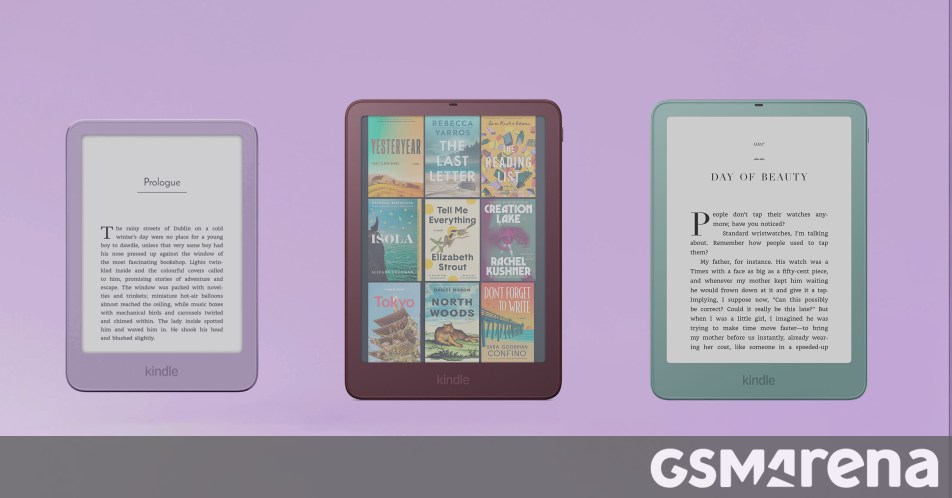
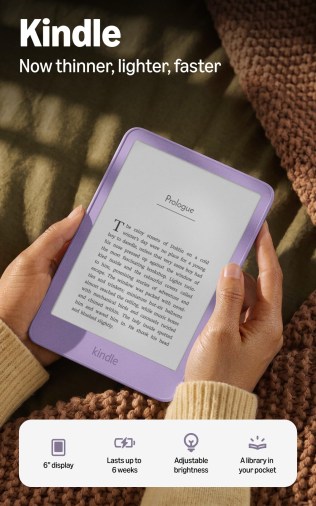
The standard Kindle has received perhaps the most aesthetic attention. Retaining its compact 6-inch e-ink footprint, the new model features rounded corners and a color-matched border that creates a unified visual identity. The headline feature is the introduction of a sophisticated "Ube" color—a deep, vibrant purple—alongside Graphite, Alpine Sky, and Seaglass Green.
Beyond aesthetics, the device is 1mm thinner and, in its standard plastic iteration, weighs a mere 140 grams. For those seeking a more premium feel, the Alpine Sky and Seaglass Green variants offer a sophisticated aluminum backing, adding 20 grams to the weight but providing a substantial, durable grip. Internally, the 12th gen Kindle boasts a 30% faster page-turn speed and a re-engineered chassis that moves the power button to the right-hand side for easier one-handed operation. With battery life reaching an impressive six weeks, it remains the benchmark for casual readers.
The Kindle Paperwhite (7th Generation)
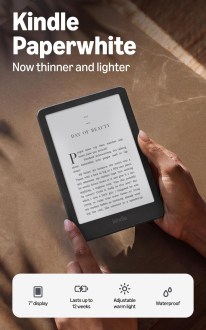
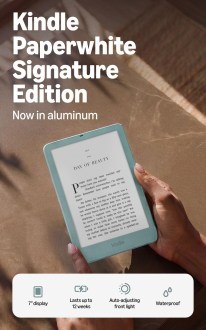
The Paperwhite remains the “sweet spot” for most users, and this 7th-generation refresh refines that balance. While it retains its 7-inch display, the hardware has been optimized for improved contrast, ensuring that text remains crisp even under direct, harsh sunlight. Like its smaller sibling, the new Paperwhite is thinner and lighter, and it now offers an extraordinary 12-week battery life.
The Kindle Colorsoft (2nd Generation)
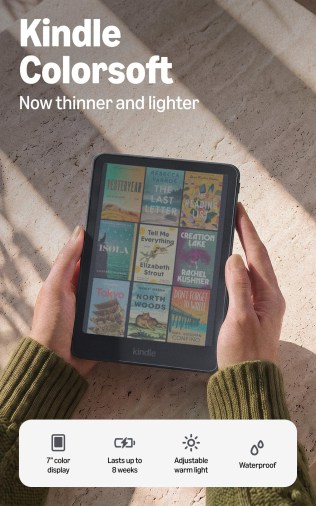
Amazon is doubling down on color e-ink with the 2nd generation Colorsoft. Now thinner and lighter than its predecessor, it introduces a new “Fig” color option, providing a sophisticated alternative to the standard Graphite. By offering a Signature Edition with an aluminum back, Amazon is clearly targeting power users who want the utility of color e-ink combined with the premium build quality of high-end consumer electronics.

Chronology: From Concept to Consumer
The path to this launch was marked by a steady evolution of Amazon’s hardware division. For years, the Kindle lineup remained relatively stagnant, with incremental software updates driving usage. However, the market’s appetite for premium, portable reading devices has shifted.
- Q3 2024: Industry rumors began to circulate regarding a “unified design language” for upcoming e-readers, with leaks pointing toward the adoption of aluminum chassis and faster processor architectures.
- Early 2025: Internal testing focused on improving the contrast ratios for the Paperwhite series and finalizing the color science for the Colorsoft display technology.
- October 2026 (Announcement Day): Amazon officially unveiled the new lineup, pivoting away from the "recessed screen" design and standardizing the flush-display across the entire family.
- Immediate Availability: Pre-orders for the entire ecosystem—including the new accessories—commenced immediately, with shipping windows opening for the holiday quarter.
Supporting Data: Specifications and Pricing
For the discerning buyer, the technical specifications represent a meaningful upgrade over previous generations. The shift to aluminum on higher-end models suggests that Amazon is positioning the Kindle not just as a tool for content consumption, but as a lifestyle device.

| Device | Storage | Base Price | Key Differentiator |
|---|---|---|---|
| Kindle (12th Gen) | 16GB | $150 | Ube/Graphite colors |
| Kindle (12th Gen Alum) | 32GB | $190 | Alpine Sky/Seaglass Green |
| Paperwhite (7th Gen) | 16GB | $200 | Improved sunlight contrast |
| Paperwhite Signature | 32GB | $250 | Auto-light/Aluminum back |
| Colorsoft (2nd Gen) | – | $290 | Color e-ink technology |
| Colorsoft Signature | – | $320 | Premium build |
The expansion into accessories is equally noteworthy. Amazon is addressing the ergonomics of long-form reading by introducing the Kindle Click, a $35 Bluetooth remote that allows users to turn pages without holding the device. Additionally, the $80 Page-Turn Cover and a $60 Charging Dock indicate that Amazon is building a "desk-friendly" ecosystem for those who use their Kindles as primary reading tools in home offices or bedside environments.
Official Responses and Strategic Vision
In a statement accompanying the launch, Amazon’s hardware team emphasized that the goal of this generation was “frictionless reading.”
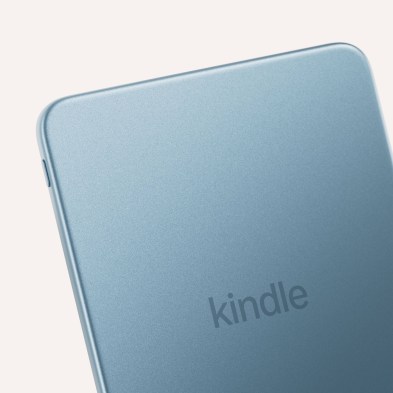
"We asked ourselves how we could make the device disappear," said a lead hardware designer during the press briefing. "By reducing the weight, thinning the profile, and increasing the page-turn speed, we are removing the technology from the experience of the book. The introduction of aluminum backs is a direct response to customer feedback requesting a more robust, premium feel that matches the high quality of the content available in our library."
Analysts have noted that the price jump for the aluminum-backed models—specifically the $190 entry-level Kindle—indicates that Amazon is willing to test the "premium" tier of the e-reader market. By bundling increased storage (32GB) with these premium materials, Amazon is attempting to justify the cost through a blend of utility and luxury.
Implications: What This Means for the E-Reader Market
The implications of this update are threefold:
1. Standardization of Premium Features
By moving the flush-display and aluminum builds across the line, Amazon is effectively standardizing features that were once reserved for the high-end "Oasis" or "Signature" models. This makes the entry-level Kindle a much more compelling purchase than ever before, potentially cannibalizing sales of mid-tier devices.
2. The Color Revolution
The second iteration of the Colorsoft indicates that Amazon is satisfied with the consumer reception of color e-ink. While it has not yet replaced the black-and-white Paperwhite as the default, the refinement of the Colorsoft line suggests that Amazon views color as the future of non-fiction, academic, and graphic novel reading on the platform.
3. The "Desktop" Reading Trend
The introduction of the Kindle Click remote and the charging dock suggests that Amazon recognizes a growing trend of users reading at their desks or in bed for extended periods. By providing a hardware ecosystem that supports "hands-free" reading, Amazon is positioning the Kindle as a competitor not just to physical books, but to the multi-purpose tablet market.

4. Environmental and Longevity Concerns
The move toward aluminum and faster, more efficient processors reflects a broader industry trend toward hardware longevity. With battery life reaching 12 weeks on the Paperwhite, Amazon is effectively minimizing the charging anxiety that often plagues modern electronics. This makes the device a more reliable companion for travelers and those living off-grid, reinforcing the Kindle’s core value proposition: the ability to carry a library in a package that requires almost no maintenance.
Conclusion
Amazon’s 2026 Kindle update is a masterclass in iterative innovation. Rather than reinventing the wheel, the company has polished every aspect of the reading experience. From the vibrant Ube hue of the new base model to the high-contrast screen of the Paperwhite and the sleek, professional aesthetic of the Colorsoft, there is a device here for every type of reader.
As the digital reading market continues to mature, Amazon has successfully reminded consumers why the Kindle remains the gold standard. By blending form, function, and a robust accessory ecosystem, the tech giant has ensured that for at least another generation, the book remains firmly in the palm of the reader’s hand—thinner, lighter, and faster than ever before.