The Fitbit Edge: Google’s Strategic Pivot in the Wearable Fitness Market
Introduction
The landscape of wearable technology is undergoing a significant transformation. As consumers oscillate between the high-end utility of full-featured smartwatches and the minimalist, long-battery-life convenience of fitness trackers, Google appears to be carving out a precise middle ground. Following a series of inadvertent leaks and strategic sightings, the industry is bracing for the arrival of the "Fitbit Edge," a device poised to bridge the gap between the budget-friendly Fitbit Air and the flagship Pixel Watch 5.
With a reported unveiling slated for later this month, the Fitbit Edge represents more than just a new hardware release; it is a critical attempt by Google to harmonize its hardware ecosystem, ensuring that its fitness-tracking heritage remains relevant in an increasingly crowded market dominated by Apple, Garmin, and Samsung.
Main Facts: What We Know About the Fitbit Edge
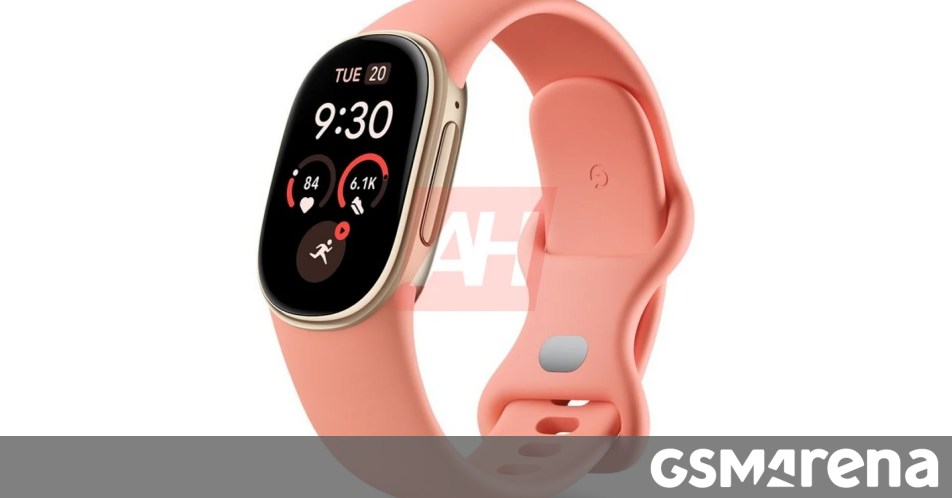
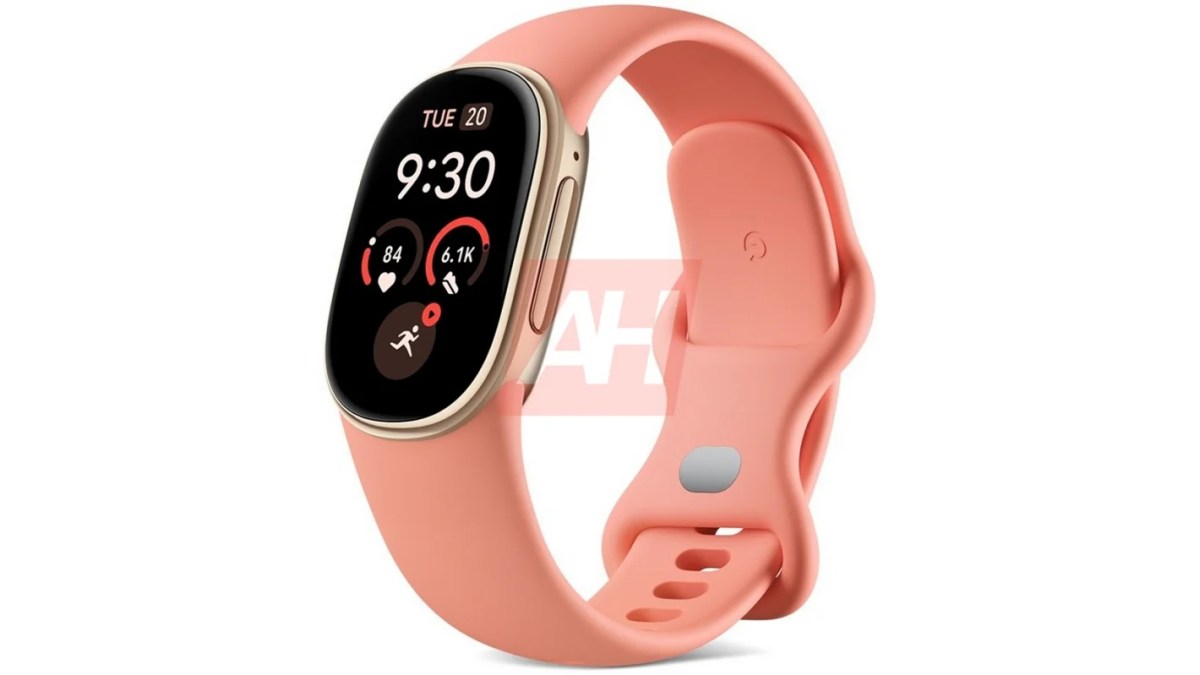
The Fitbit Edge is positioned as the spiritual successor to the long-standing and highly popular Fitbit Charge series. By adopting a modern design language that mirrors the aesthetic of the Pixel 11 series, Google is signaling a shift toward a unified design identity across its wearable portfolio.
Key Technical Specifications
- Design: The device features a sleek, oval-shaped touchscreen display, moving away from the more angular designs of previous Fitbit generations.
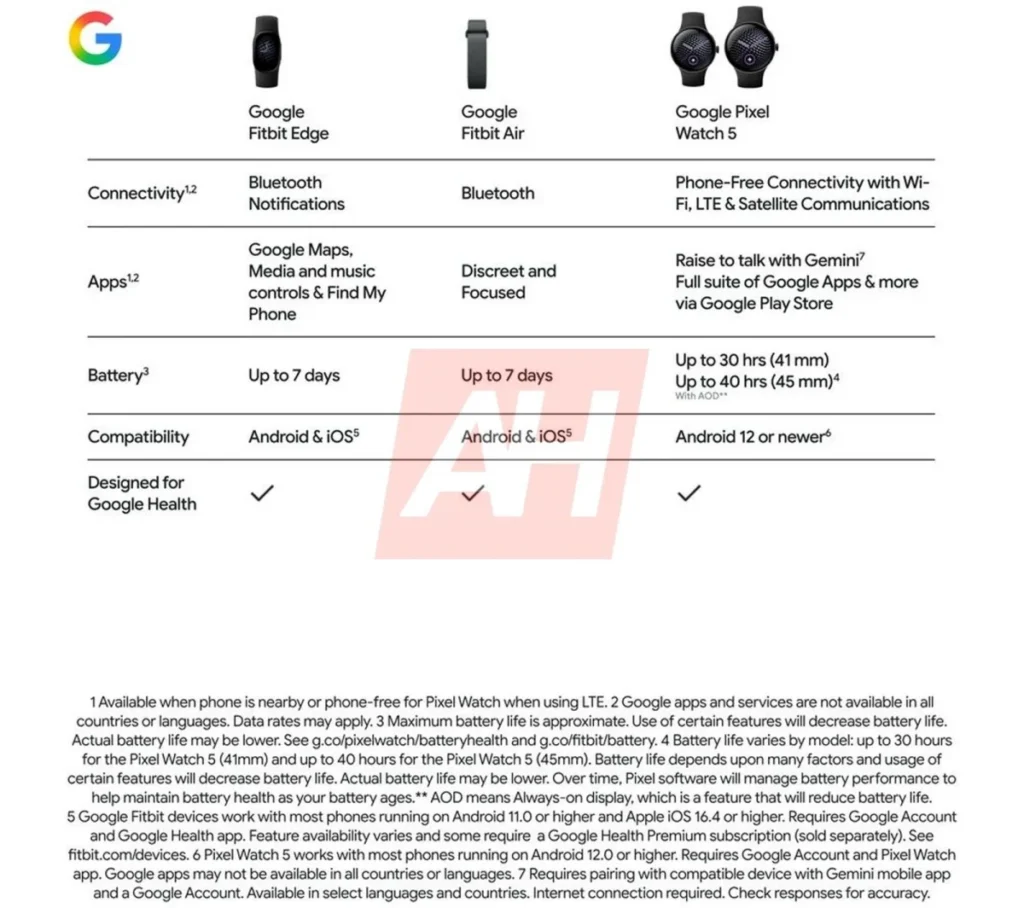
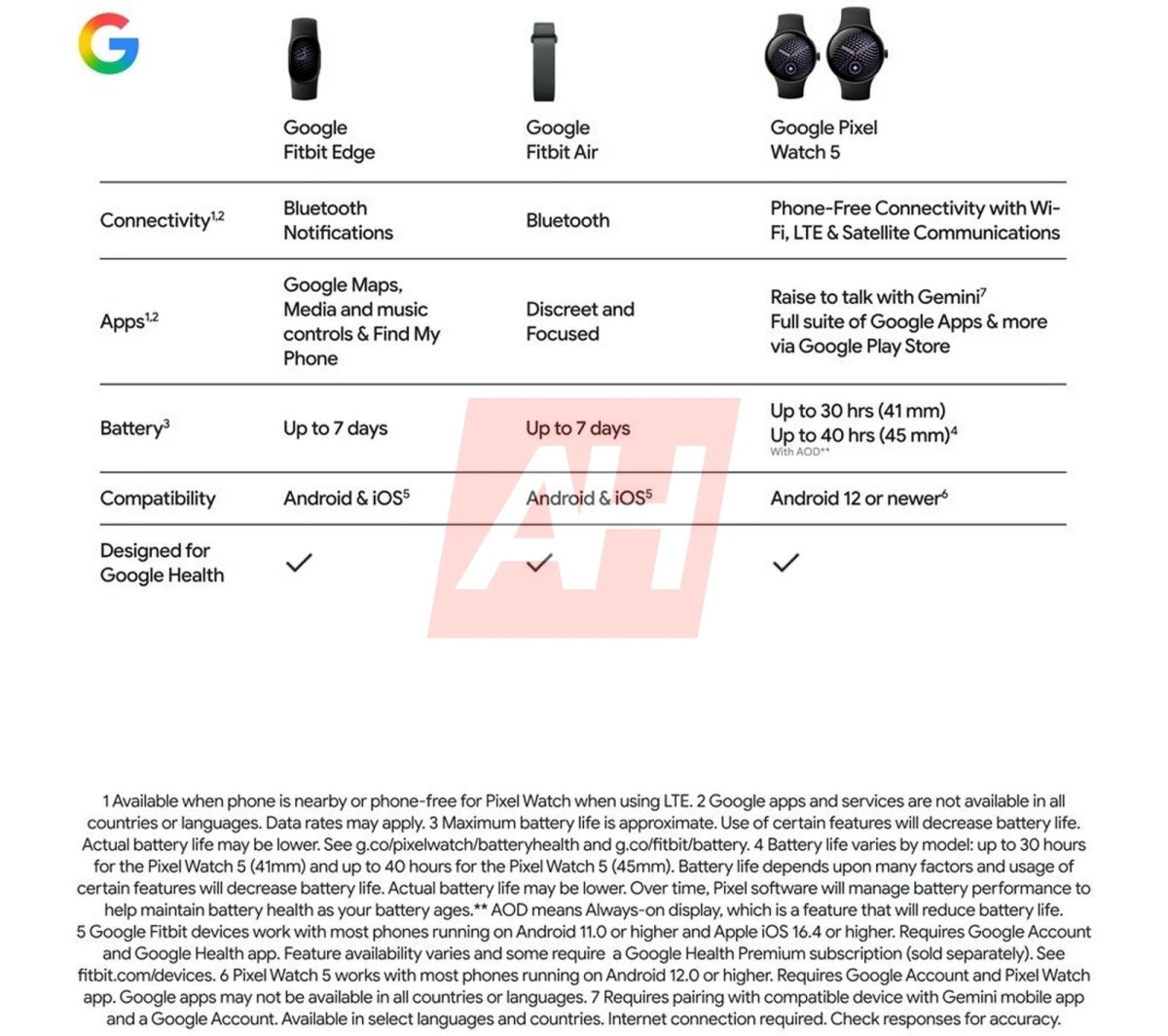
- Battery Life: One of the primary selling points for the Edge is its endurance, with reports suggesting up to seven days of battery life on a single charge—a significant advantage over the daily charging requirements of the Pixel Watch 5.
- Connectivity and Ecosystem: Unlike some proprietary competitors, the Edge is confirmed to maintain cross-platform compatibility, functioning seamlessly with both Android and iOS devices.
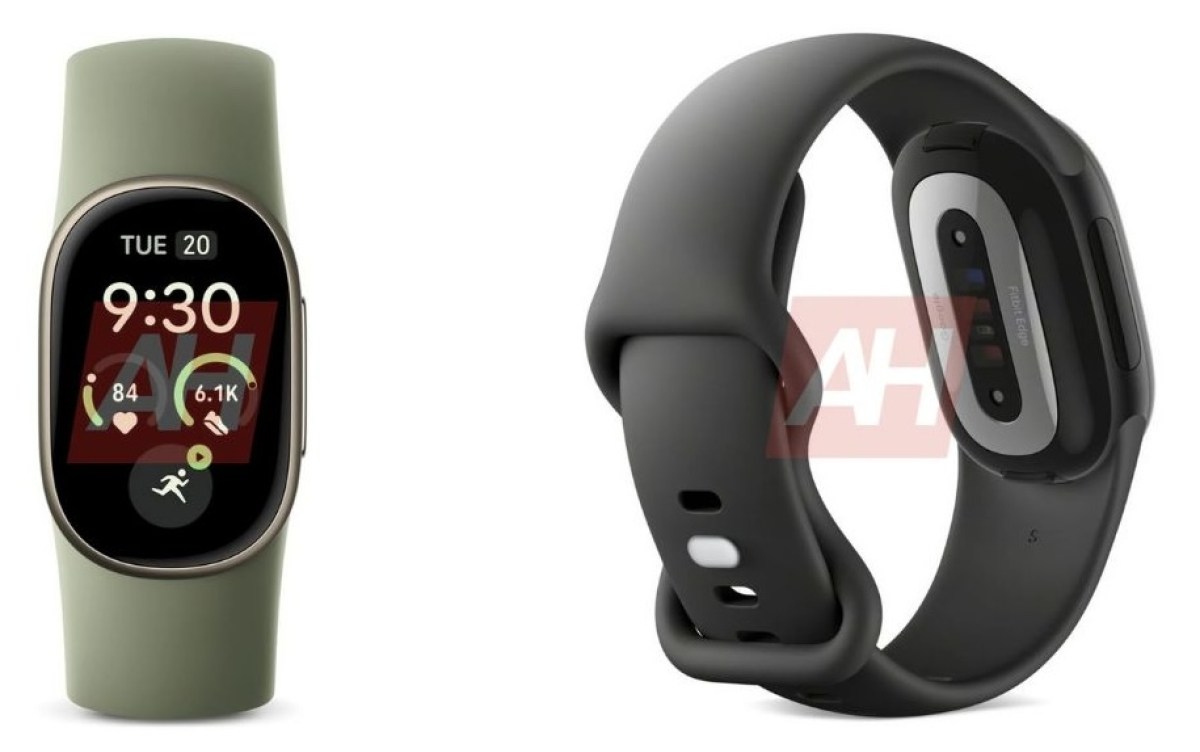
- Hardware Features: The device includes a physical button on the right side for tactile navigation and an upgraded rear sensor array, which early reports suggest is more advanced than the sensors found on the entry-level Fitbit Air.
- Utility: While it lacks the full-blown operating system of a smartwatch, it supports limited app integration, including Google Maps and YouTube Music, alongside essential notification mirroring.
- Pricing: Market analysts expect the device to sit in the premium mid-range tier, with a price point ranging between $149 and $199.
Chronology: From Accidental Glimpse to Global Anticipation
The journey of the Fitbit Edge from an internal project to a near-public release has been marked by a trail of "leaked" information that many industry observers suspect was a calculated marketing maneuver.
August 2024: The Pixel 11 Reveal
The story began during the launch event for the Google Pixel 11 series. In a series of high-resolution promotional imagery showcasing the new smartphone ecosystem, keen-eyed observers spotted a mysterious, oval-shaped fitness tracker on the wrists of models. Google Australia’s digital assets briefly featured the device, sparking a firestorm of speculation on tech forums and social media.
September 2024: The Speculation Phase
Following the August leak, the tech community began deconstructing the images. Analysts identified the "pinch system" for swapping bands—a major quality-of-life improvement—and noted the distinct absence of the bulky crown found on the Pixel Watch. This confirmed that Google was developing a new hardware tier.
October 2024: The Definitive Report
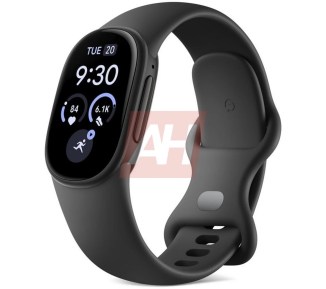
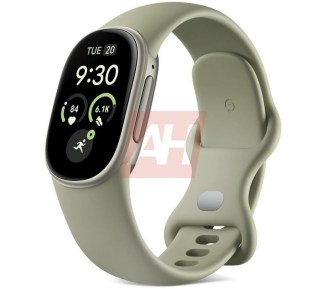
A comprehensive report from Android Headlines effectively ended the guessing game. By detailing the sensor array, the specific color palette (which includes three shades designed to match the Pixel 11 Pro series), and the intended market positioning, the report provided the most concrete evidence to date that the Fitbit Edge is ready for mass production and imminent release.
Supporting Data: Where the Edge Fits in the Market
To understand why Google is launching the Edge, one must look at the current fragmentation of their wearable offerings.
The Wearable Hierarchy
| Device | Role | Target Audience | Key Differentiator |
|---|---|---|---|
| Fitbit Air | Entry-level | Casual health trackers | Screenless, extreme battery life |
| Fitbit Edge | Mid-range | Athletes & commuters | Advanced sensors, 7-day battery, notification support |
| Pixel Watch 5 | High-end | Tech enthusiasts | Full OS, cellular, deep app ecosystem |
The "Edge" is designed to capture the "middle-ground" consumer—the user who finds the Fitbit Air too limiting because it lacks a screen, but who finds the Pixel Watch 5 too expensive or too cumbersome due to its daily charging requirements.
The Sensor Advantage
The leaked images of the rear sensor array suggest that Google is integrating a more sophisticated biometric suite than the Fitbit Air. While official health metrics have not been finalized in the documentation, it is widely expected that the Edge will include:
- Advanced GPS: For accurate run/cycle tracking without a phone.
- Automatic Activity Recognition: Using machine learning to detect movement patterns.
- Elevation Tracking: Likely using an altimeter for stair-climbing metrics.
Official Responses and Corporate Strategy
To date, Google has maintained a standard "no comment" policy regarding the specific leaks surrounding the Fitbit Edge. However, the company’s broader strategy, as articulated by their hardware division leads, has always emphasized a "connected ecosystem."
In previous statements, Google representatives have highlighted their commitment to keeping the Fitbit brand alive, despite the integration of Fitbit’s health algorithms into the Pixel Watch’s "Health Connect" platform. By launching the Edge, Google is effectively keeping the Fitbit name on the wrists of millions who are not yet ready to transition to a full smartwatch experience.
Market analysts note that this approach serves two purposes:
- Retention: It keeps users within the Google/Fitbit ecosystem, preventing them from migrating to brands like Garmin or Oura.
- Data Acquisition: By providing a device that is worn 24/7 (thanks to the 7-day battery), Google continues to collect the high-quality biometric data necessary to improve their AI-driven health and wellness features.
Implications: What This Means for the Consumer
The introduction of the Fitbit Edge has several implications for the future of the wearable market.
1. The Death of the "Cheap" Tracker?
With a price point of up to $199, the Edge is not a budget device. This suggests that Google is moving away from the ultra-low-cost tracker market, leaving that space to third-party manufacturers and generic fitness bands. By moving up-market, Google is focusing on "value-added" features like better build quality and deeper integration with their smartphone ecosystem.
2. Standardization of Design
The fact that the Edge comes in colors matching the Pixel 11 Pro is a clear indicator that Google wants their wearables to be viewed as fashion accessories, not just medical peripherals. This "lifestyle-first" approach is a direct challenge to the Apple Watch, which has successfully marketed itself as a style statement for years.
3. Battery Life as a Competitive Weapon
In a market where consumers are increasingly experiencing "charging fatigue," the 7-day battery life of the Fitbit Edge is a significant competitive advantage. While the Pixel Watch 5 may offer more apps, the Edge offers "peace of mind." For the average user who just wants to track their steps, sleep, and heart rate without worrying about finding a charger every night, the Edge is objectively the more practical choice.
4. Ecosystem Lock-in
By including support for YouTube Music and Google Maps, Google is tethering the user to their digital services. Even if the user does not own a Pixel phone, the use of these apps on the wrist acts as a gateway drug for the broader Google experience.
Conclusion: The Path Forward
As we approach the official unveiling of the Fitbit Edge, it is clear that Google is executing a calculated, multi-tiered wearable strategy. They are no longer simply "competing" with Fitbit; they are assimilating the brand into the core of their hardware business.
The Fitbit Edge is not intended to be a revolutionary device that changes the way we interact with technology. Instead, it is an evolutionary product—one that optimizes the balance between fitness utility, battery longevity, and aesthetic appeal. For the consumer, it provides a compelling, reliable, and stylish option that sidesteps the pitfalls of the smartwatch category.
As the official launch nears, all eyes will be on whether the actual performance of the sensor array lives up to the leaks, and whether the software experience can truly deliver the seamless integration that Google promises. If the company succeeds, the Fitbit Edge could very well become the most important wearable in their lineup, proving that sometimes, the best tech is the kind you can wear for a week without ever thinking about a power outlet.