Healing Through Tradition: Andhra University Hosts Free Ayurvedic Medical Camp to Combat Modern Lifestyle Diseases
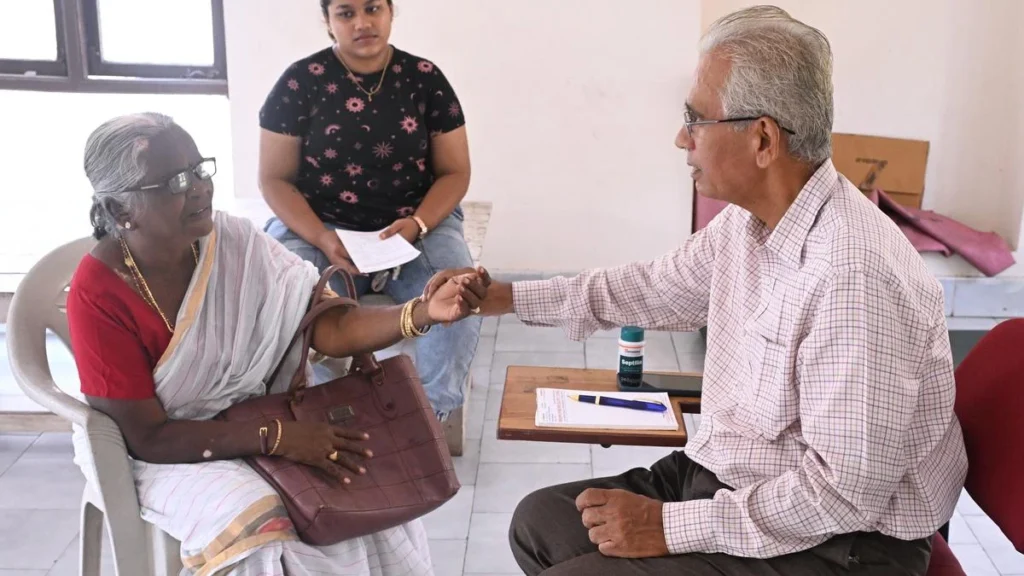
Visakhapatnam, October 4, 2026 — In an era dominated by rapid technological advancement and increasingly sedentary routines, the ancient synergy between Yoga and Ayurveda is finding renewed relevance. This past Sunday, the Department of Yoga and Consciousness at Andhra University, Visakhapatnam, transformed its Yoga Village on Beach Road into a hub of holistic health, hosting a free Ayurvedic medical camp that drew scores of residents seeking natural remedies for modern ailments.
The initiative, led by Dr. K. Eswara Rao, a retired Senior Medical Officer of the prestigious King George Hospital, represents a persistent effort to bridge the gap between traditional wisdom and contemporary healthcare needs.
Main Facts: A Commitment to Community Wellness
The medical camp, which operated from 8:00 a.m. to 11:00 a.m., provided attendees with professional consultations and access to free herbal medication. Dr. Rao, a veteran practitioner with decades of clinical experience, oversaw the diagnostic process, focusing on a holistic approach that integrates traditional Ayurvedic principles with modern diagnostic understanding.
The event is not a one-off occurrence; rather, it is part of a sustained health outreach program. Dr. Rao confirmed that he has been conducting this camp on the first Sunday of every month since 2022, underscoring a long-term commitment to the health of the local Visakhapatnam community.
Chronology: A Multi-Year Health Initiative
The journey of this medical camp began in early 2022, spurred by the growing recognition that the post-pandemic landscape required a shift toward preventive healthcare.
- 2022: Dr. K. Eswara Rao initiates the monthly camp at the Andhra University Yoga Village, establishing a predictable cadence for patients seeking long-term Ayurvedic management.
- 2023–2025: The camp gains traction, with patient footfall increasing as word-of-mouth recommendations spread through the local community. The collaboration with the Department of Yoga and Consciousness formalizes, with Dr. Rao serving as guest faculty to educate students on the interplay between physical postures (Yoga) and internal medicine (Ayurveda).
- October 2026: The most recent iteration of the camp continues this legacy, focusing on the rising prevalence of lifestyle-related chronic conditions.
Supporting Data: The Rising Tide of Lifestyle Disorders
During his interactions with patients at the camp, Dr. Rao highlighted a troubling trend: the meteoric rise of lifestyle-induced illnesses. According to his clinical observations, there is a clear correlation between the decline of traditional dietary habits and the increase in chronic health conditions.
The Scope of the Crisis
Dr. Rao categorized the most frequent complaints as "lifestyle disorders," a spectrum of illnesses that have become endemic to urban populations. These include:
- Diabetes Mellitus: Often exacerbated by sedentary lifestyles and processed food consumption.
- Obesity: A foundational issue that triggers a cascade of other metabolic syndromes.
- Gastritis: A result of erratic eating schedules and high-stress environments.
- Polycystic Ovarian Disease (PCOD): An increasing concern among younger women, which Dr. Rao suggests is deeply linked to endocrine disruption caused by lifestyle imbalances.
- Psychiatric and Mental Health Issues: A growing category of concern, where high-stress levels manifest as psychosomatic symptoms.
"The combination of Yoga and Ayurveda can prevent 80% of primary diseases," Dr. Rao asserted. This statement is rooted in the belief that while modern medicine excels at acute trauma and surgical intervention, Ayurveda’s strength lies in maintaining homeostasis—the internal balance of the body—before a disease manifests into a clinical emergency.
The Intersection of Yoga and Ayurveda
The choice of venue—the Department of Yoga and Consciousness at Andhra University—is significant. It reflects an academic and practical recognition that Yoga and Ayurveda are "sister sciences" derived from the same Vedic tradition.
Dr. Rao, who serves as a guest faculty member at the department, uses his platform to teach the next generation about this connection. In his view, Yoga provides the physical framework—aligning the body and calming the nervous system—while Ayurveda provides the chemical and biological framework, using herbs and dietary adjustments to correct imbalances.
By conducting the camp at the university, Dr. Rao is not only treating patients but also educating students on the scientific validity of traditional medicine, encouraging a holistic perspective on the human body that transcends the compartmentalization often found in modern medical education.

Addressing the "Social Media" Misinformation Crisis
One of the most pressing concerns raised by Dr. Rao during the camp was the impact of the digital age on health literacy. With the proliferation of health influencers and unverified wellness trends on platforms like Instagram and YouTube, many patients arrive at the clinic with self-diagnosed conditions or, worse, having experimented with "miracle cures" found online.
"People who rely on advice from social media are being drawn to the wrong medication and forming a mistaken impression of Ayurveda," Dr. Rao cautioned.
He emphasized that Ayurveda is not a "one-size-fits-all" solution. It is a highly individualized science that considers a person’s Prakriti (constitution) and Vikriti (current state of imbalance). Self-prescribing Ayurvedic herbs, which are potent pharmacological agents, can lead to adverse reactions or the exacerbation of existing conditions if not monitored by a trained professional. The camp serves as a corrective measure, providing "proper guidance and appropriate Ayurvedic medicines" that are tailored to the individual’s specific physiological needs.
Implications: A Model for Future Healthcare
The success and longevity of the Andhra University camp offer a replicable model for other regions in India. By utilizing institutional infrastructure (the university) and expert human capital (retired medical officers), the camp operates with minimal overhead while maximizing community impact.
1. Integrating Preventive Care
The primary implication of this initiative is the validation of preventive, rather than just reactive, medicine. By addressing gastritis, obesity, and early-stage diabetes, the camp helps reduce the long-term burden on the tertiary healthcare system (such as the King George Hospital), which would otherwise have to manage the advanced, costly complications of these diseases.
2. Validating Traditional Systems
The collaboration between a retired government medical officer and an academic department helps mainstream Ayurveda. It strips away the "alternative medicine" label and places it alongside Yoga as a legitimate, evidence-based approach to wellness that can be integrated into the mainstream healthcare curriculum.
3. Public Health Awareness
Perhaps the most important contribution of the camp is its role in "de-mystifying" Ayurveda. By providing a space where patients can ask questions and receive clinical feedback, the camp combats the spread of pseudo-science. It encourages a structured, disciplined approach to wellness that is verified by professionals, rather than driven by viral trends.
Conclusion: The Path Forward
As the sun rose over the beach, the stream of patients visiting the Yoga Village highlighted a fundamental truth: despite the availability of modern hospitals, there is an enduring trust in the wisdom of traditional Indian medicine.
Dr. K. Eswara Rao’s monthly camp stands as a testament to the fact that when professional medical expertise is combined with the timeless principles of Yoga and Ayurveda, the result is a more resilient, informed, and healthier community. As Visakhapatnam continues to grow, initiatives such as this one remain vital, ensuring that as we move toward the future, we do not lose sight of the foundational health practices that have sustained humanity for millennia.
For those interested in the future schedule of these camps, the Department of Yoga and Consciousness at Andhra University remains the primary point of contact, keeping the doors of knowledge and healing open on the first Sunday of every month.