A New Era for Connectivity: AT&T, Verizon, and T-Mobile Launch Landmark Joint Venture to Eradicate Dead Zones
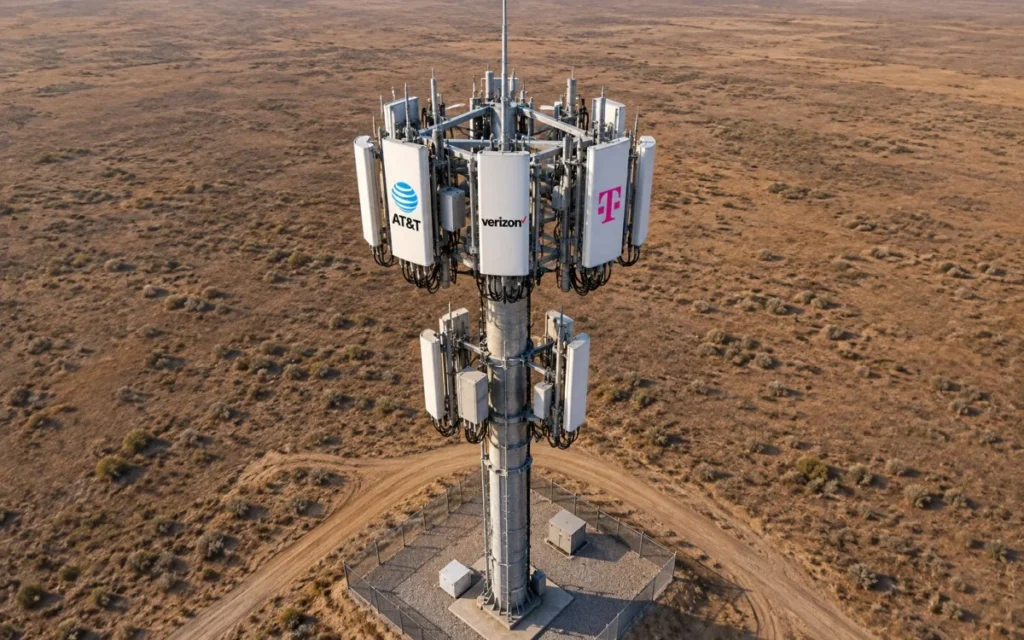
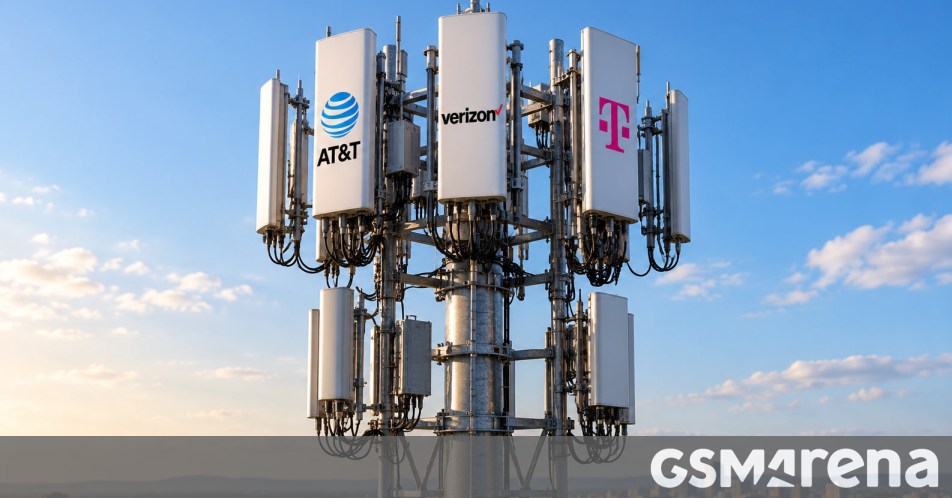
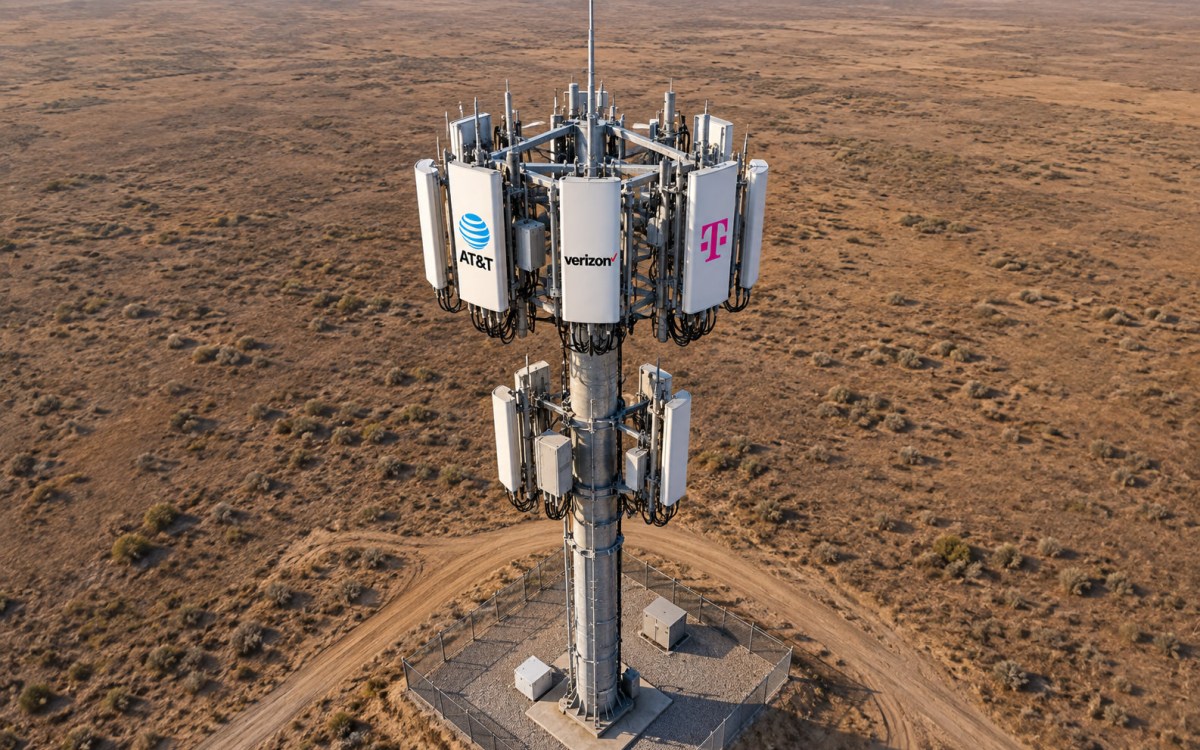
In a move that promises to fundamentally reshape the American telecommunications landscape, the nation’s three wireless titans—AT&T, Verizon, and T-Mobile—have officially launched a joint venture aimed at the systematic eradication of cellular dead zones across the United States. This collaboration, first teased in May 2026, has moved from an "agreement in principle" to a fully operational entity, signaling an unprecedented level of cooperation between rivals who have spent decades competing aggressively for market share.
Main Facts: The Formation of a Connectivity Powerhouse
The new joint venture, which is now officially operational, represents a unified push to modernize how Americans stay connected, particularly in the vast, underserved rural landscapes of the country. By pooling resources and technological expertise, the three carriers aim to move beyond the limitations of traditional terrestrial tower infrastructure.
At the helm of this new entity is interim CEO Paul Roth, a veteran of the telecommunications industry whose pedigree includes significant leadership roles at AT&T, Cingular Wireless, and Ameritech. While Roth steers the ship, the venture is governed by a board composed of senior representatives from each of the three founding carriers, ensuring that the interests of all stakeholders remain aligned with the primary mission: universal coverage.
The venture’s core objectives are ambitious. The mandate is to "nearly eliminate" dead zones, provide robust, redundant connectivity for emergency services, and bolster network performance across the board. Crucially, the venture seeks to simplify how consumers access satellite-to-cellular services, effectively turning the smartphone in one’s pocket into a global beacon, regardless of which network provider they subscribe to.
Chronology: From Concept to Reality
The journey to this announcement has been marked by a series of strategic maneuvers and regulatory considerations.
- May 2026: The initial breakthrough. AT&T, Verizon, and T-Mobile shocked the industry by announcing they had reached an "agreement in principle" to explore a joint venture. The move was met with immediate optimism by industry analysts, who noted that the costs of building physical infrastructure in remote areas were becoming prohibitive for individual companies.
- Summer 2026: Throughout the intervening months, legal and regulatory teams worked to finalize the structure of the venture. Discussions centered on how to maintain competitive independence while collaborating on the "middle mile" and satellite-layer infrastructure.
- Late October 2026: The official launch. Following the finalization of the corporate structure, the venture was formally incorporated, and the announcement of Paul Roth as interim CEO confirmed that the venture had moved into its execution phase.
Supporting Data: Why Satellite Integration is the Future
The shift toward satellite-backed cellular connectivity is not merely a convenience feature; it is an economic and public safety imperative. According to data provided by the joint venture, the United States still contains vast "blind spots" in its cellular grid, primarily in rugged terrain where the construction of traditional cell towers is geographically or economically unfeasible.
The venture plans to utilize a "standards-based approach" to satellite integration. By collaborating with operating system (OS) developers, original equipment manufacturers (OEMs), and mobile app developers, the venture intends to create a seamless handover mechanism between terrestrial 5G networks and satellite constellations.
Key metrics for success, as outlined by the venture, include:
- Redundancy: Providing a secondary connection path for 911 services during natural disasters or terrestrial network outages.
- Market Competition: Expanding the number of satellite service providers able to enter the market. By standardizing the interface, smaller satellite companies can compete with larger incumbents, driving down costs for consumers.
- Rural Empowerment: The venture has explicitly committed to working with rural mobile network operators (MNOs). By providing these smaller providers with access to the joint venture’s technology, rural customers will gain access to premium features previously reserved for urban centers.
Official Responses and Strategic Vision
The official press release accompanying the launch emphasizes a philosophy of "enhanced competition through shared infrastructure."
"This is not about consolidating the market," a spokesperson for the venture noted. "This is about raising the floor of the entire American telecommunications industry. By working together on the underlying satellite architecture, we can ensure that every American has access to a basic level of connectivity, regardless of their location."
From the perspective of the carriers, the venture solves a long-standing dilemma: the "last mile" problem in rural coverage. While AT&T, Verizon, and T-Mobile will continue to compete fiercely on pricing, service bundles, and terrestrial 5G speeds, they have acknowledged that the "satellite layer" is a utility that benefits from collective investment. Existing satellite agreements already held by the individual carriers will remain in effect, and the carriers have pledged to continue their independent efforts to densify their own networks. This suggests a "co-opetition" model, where the joint venture acts as a shared foundation, while the carriers build their own differentiated products on top of it.
Implications: A Shift in the Telecommunications Landscape
The ramifications of this joint venture will be felt across the entire tech ecosystem.
For the Consumer
For the average user, the most immediate impact will be the reduction of "no service" icons on their devices. Whether hiking in a remote national park or navigating a disaster-stricken area where local towers have failed, users will benefit from a more consistent, reliable connection. Furthermore, the standardization of direct-to-device satellite access means that the feature will become a standard part of OS updates, rather than a premium, carrier-specific add-on.
For Industry Competitors
Satellite operators—such as SpaceX (Starlink), AST SpaceMobile, and others—now have a clearer, more defined path to market. By standardizing how satellite data is received by consumer devices, the joint venture effectively lowers the barrier to entry for satellite constellations. This is expected to trigger a wave of investment in the low-earth orbit (LEO) satellite sector, as providers rush to meet the technical standards set by the new joint venture.
For Regulatory Bodies
The FCC and other regulatory agencies will likely view this venture with a mix of support and caution. While the promise of universal coverage is a primary goal of federal telecommunications policy, regulators will be tasked with ensuring that this "co-opetition" does not veer into price-fixing or exclusionary behavior. The venture’s commitment to "standards-based development" will be critical in satisfying regulators that the market remains open for new entrants.
For Rural Development
Perhaps the most profound impact will be on rural economies. Reliable connectivity is the backbone of modern agriculture, tele-health, and remote education. By leveling the connectivity playing field, the joint venture could act as a catalyst for growth in regions that have historically suffered from a "digital divide." As the venture partners with local rural MNOs, the ability for these smaller players to bring new, high-performance products to market will drastically change the business landscape for rural businesses.
Conclusion: The Road Ahead
As the joint venture begins its operations, the industry will be watching closely to see how Paul Roth and his team navigate the complexities of managing a partnership between three of the largest corporate entities in the United States.
The promise is bold: a future where the concept of a "dead zone" is relegated to history. While the technical, regulatory, and operational hurdles remain significant, the launch of this venture marks a pivot point. The three carriers have recognized that in the modern world, connectivity is not merely a commodity—it is a fundamental public utility. By choosing to build together, they are setting a new standard for what a connected America looks like.
The coming year will likely see the rollout of the first joint-venture-integrated satellite trials. For now, the launch stands as a testament to the fact that even the most bitter rivals can find common ground when the goal is as essential as ensuring that every citizen remains within reach of the digital world. The dead zones are officially on notice.