Bridging the Data Gap: Integrating Facebook Ads with BigQuery for Scalable Analytics
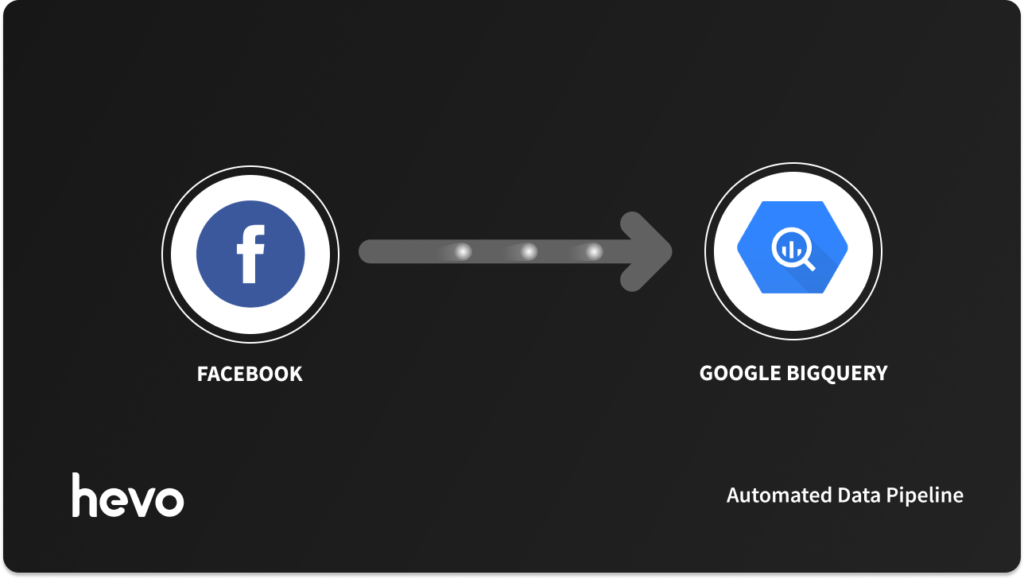
In the contemporary digital marketing landscape, data is the lifeblood of campaign optimization. However, relying solely on the native interface of Meta Ads Manager presents a significant bottleneck for growth-focused organizations. While the platform offers immediate performance snapshots, it inherently limits a business’s ability to correlate ad spend with downstream revenue, customer lifetime value (CLV), and cross-platform performance.
For data-driven teams, the solution lies in consolidating disparate data sources into a centralized cloud data warehouse, with Google BigQuery standing as the industry-standard choice. This article explores the strategic necessity of this integration, the technical pathways to achieving it, and the operational implications of moving from manual reporting to automated, high-velocity data pipelines.
The Strategic Imperative: Why Move Beyond Ads Manager?
The primary challenge with native ad reporting is the "silo effect." Marketing data trapped within Facebook’s ecosystem is isolated from critical business intelligence stored in CRMs (like Salesforce or HubSpot), product usage databases, and ERP systems.
1. The Limitation of Point-in-Time Analysis
Ads Manager is designed for day-to-day campaign management, not long-term trend analysis. When data remains trapped in the Meta ecosystem, marketers struggle to perform complex multi-touch attribution, cohort analysis, or cross-channel ROAS (Return on Ad Spend) calculations.
2. The Scalability Crisis
As organizations scale their ad spend, the volume of data grows exponentially. Manual exports or fragile, ad-hoc API scripts become unsustainable. Schema changes, API deprecations, and the sheer volume of data ingestion require a robust, automated infrastructure that can handle continuous updates without human intervention.
3. BigQuery as the Unified Source of Truth
By migrating Facebook Ads data to BigQuery, organizations can:
- Execute Complex SQL Queries: Run sophisticated queries that correlate ad spend with conversion events occurring weeks after the initial click.
- Enable Advanced Machine Learning: Utilize BigQuery ML to predict future customer behavior based on historical ad performance data.
- Integrate Visualization Tools: Connect the unified data set to BI platforms like Looker Studio, Power BI, or Tableau for real-time executive dashboards.
Chronology of Integration: Choosing Your Path
The journey from manual spreadsheets to automated data streaming typically follows a clear evolution for most companies.
Phase 1: The Manual Era (The "CSV" Phase)
Small-scale teams often start by downloading reports via the Meta Ads Manager UI as CSV files and manually uploading them to BigQuery.
- Pros: Zero setup cost; no technical expertise required.
- Cons: High latency; human error; non-scalable; unsustainable for frequent updates.
Phase 2: The Custom Code Era (The "Engineering" Phase)
As requirements grow, teams build custom ETL (Extract, Transform, Load) scripts using Python and the Facebook Marketing API.
- Pros: Total control over the ingestion process and transformation logic.
- Cons: Significant technical debt. Maintenance is required every time Meta updates its API (e.g., version deprecations). Scaling to handle millions of rows becomes an engineering nightmare.
Phase 3: The Automated Pipeline (The "Enterprise" Phase)
Modern data teams shift to managed, no-code pipeline solutions like Hevo Data. These platforms provide a "set-it-and-forget-it" architecture, automatically handling API changes, schema evolution, and incremental syncing.
Technical Implementation: A Comparative Analysis
When designing your data strategy, selecting the right methodology is paramount. Below is a breakdown of the three primary approaches:
| Method | Best For | Pros | Cons |
|---|---|---|---|
| Managed Pipeline (Hevo) | Rapid growth teams | No-code, automated schema, 24/7 reliability | Monthly subscription cost |
| Custom Code | High-customization needs | Full control over logic | High maintenance; high TCO |
| Manual Export | Ad-hoc, one-time analysis | Immediate accessibility | Zero scalability; high risk |
Deep Dive: Automating with Hevo
Using a tool like Hevo simplifies the process into three core stages:
- Configuration: Linking your Meta Business account to the pipeline via OAuth.
- Mapping: Defining the specific insights (e.g., clicks, impressions, spend) and attribution windows you wish to capture.
- Activation: The pipeline automatically begins pushing data into your BigQuery dataset, handling the heavy lifting of API rate limits and data type conversion.
Implications for Modern Marketing Teams
The shift toward a data-warehouse-centric model has profound implications for marketing operations.
1. Enhanced Precision in Audience Targeting
By pulling conversion data back into the warehouse, teams can analyze which specific ad sets are driving high-LTV customers. This allows for the creation of sophisticated custom audiences that exclude low-value leads, significantly improving budget efficiency.
2. Competitive Benchmarking
With centralized data, companies can perform comparative analysis against industry benchmarks. By integrating external market data with internal performance metrics, organizations can determine if a drop in performance is a company-specific issue or a broader market trend.
3. The Future of Attribution
As privacy regulations (such as the deprecation of third-party cookies) tighten, relying on platform-provided attribution becomes increasingly risky. Moving raw, event-level data into BigQuery allows companies to build their own proprietary attribution models, ensuring compliance and data sovereignty.
Supporting Data and Best Practices
To ensure a smooth transition to a data-driven warehouse model, teams must adhere to several technical best practices:
- Schema Consistency: Ensure that the data structure in BigQuery accounts for historical changes in Meta’s API. Automated tools like Hevo perform this mapping dynamically.
- Data Quality Assurance: Implement monitoring to alert your team if data ingestion stops, as discrepancies between Ads Manager and your warehouse can lead to misallocated budgets.
- Cost Management: BigQuery charges based on storage and query volume. While ingestion is cost-effective, writing inefficient SQL queries can drive up costs. Optimize your tables using partitioning and clustering.
Official Perspective: The Move Toward "Privacy-First" Data
Meta has made it clear through its ongoing API updates (such as the transition to Marketing API v25.0 and beyond) that it is moving toward more granular, secure, and privacy-compliant data sharing. Businesses that rely on manual methods will find it increasingly difficult to keep pace with these changes. Automated platforms serve as a buffer, translating complex API updates into stable, reliable data structures for the warehouse.
Frequently Asked Questions (FAQ)
How can I ensure real-time accuracy for my ad metrics?
Real-time streaming is best achieved through Webhooks. By subscribing your endpoint to Meta’s graph API, you can trigger data updates the moment a campaign metric changes, ensuring your BigQuery dashboard reflects the current bidding environment.
What is the biggest risk of custom-built pipelines?
The primary risk is "API Fragility." Meta regularly deprecates older API versions. If your custom script is not updated by your engineering team before a version is retired, your data flow will break, leading to critical reporting gaps.
Is BigQuery suitable for small businesses?
Yes. BigQuery’s "pay-as-you-go" pricing model makes it accessible for startups. You only pay for the storage you use and the queries you run, allowing your costs to scale perfectly in line with your business growth.
How do I prepare my data for BigQuery ingestion?
Ensure that your data is properly formatted in JSON or CSV. If you are using an ETL tool, it will handle the conversion of nested JSON objects into relational tables, which is the most efficient way to store ad performance data in BigQuery.
Conclusion
The integration of Facebook Ads into Google BigQuery is no longer an optional "nice-to-have" for marketing teams—it is a competitive necessity. By breaking down the walls of the Meta Ads Manager, companies can unlock the full potential of their data, enabling smarter, faster, and more profitable decision-making. Whether you choose to build a custom solution or opt for an automated, no-code pipeline like Hevo, the long-term benefits of a centralized data warehouse remain clear: superior insights, better targeting, and a scalable foundation for the future of digital marketing.