Bridging the Health Divide: West Bengal Government Partners with Sonagachi Activists for HPV Vaccination Drive
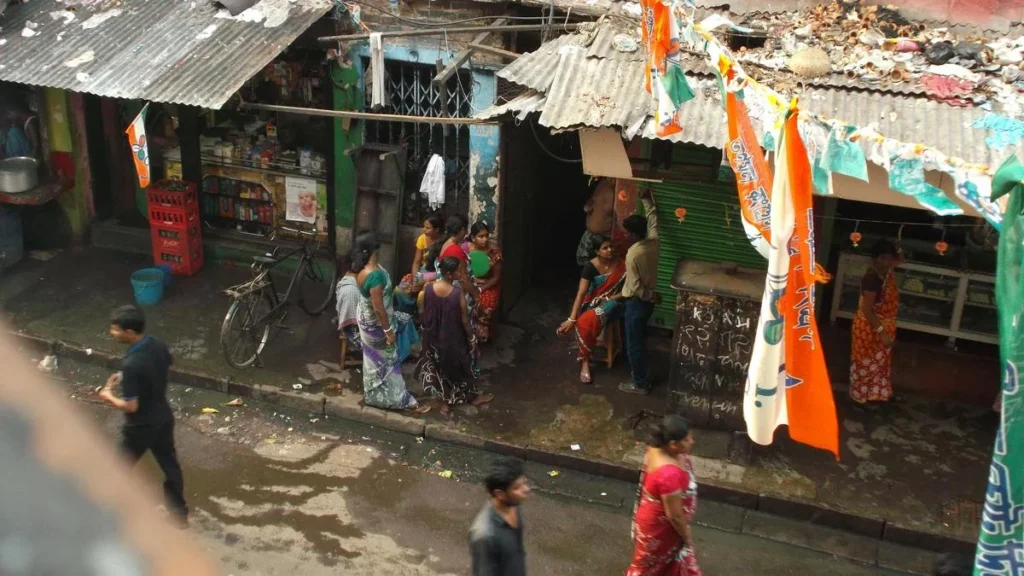
Kolkata, July 13, 2026 – In a significant move toward public health equity, the West Bengal government has initiated a strategic partnership with the Durbar Mahila Samanwaya Committee (DMSC) to integrate the sex worker community of Sonagachi into the state’s broader cervical cancer prevention framework.
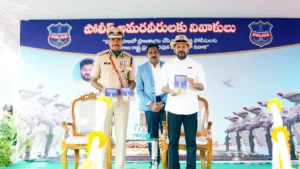
West Bengal Health Minister Sharadwat Mukherjee, speaking at the 31st-anniversary celebrations of the DMSC on Sunday, July 12, underscored the urgent need to address the high vulnerability of sex workers to Human Papillomavirus (HPV)-related diseases. The collaboration marks a departure from traditional, top-down health policies, opting instead for a community-led approach that leverages the DMSC’s decades-long influence in Kolkata’s largest red-light district.
The Core Initiative: HPV Vaccination and Reproductive Health
The primary objective of the government’s new proposal is to bridge the access gap for HPV vaccines. While the Central government’s national budget has mandated free HPV vaccinations for all 14-year-old girls, Minister Mukherjee emphasized that the state government aims to expand this safety net to include the adult population of Sonagachi.
"DMSC has long been the backbone of rights-based advocacy for sex workers in this city," Mr. Mukherjee stated. "They have not only spread awareness but have been the primary guardians against sexually transmitted diseases. Given that sex workers are statistically more vulnerable to cervical cancer, it is our moral and public health obligation to intervene. We are ready to provide the vaccines, but we require the DMSC’s organizational expertise to reach every corner of the community."
The Strategic Rollout
The Minister has requested that DMSC leadership facilitate a systematic data collection drive. By mapping the residing population of sex workers in Sonagachi, the Health and Family Welfare Department hopes to conduct an organized vaccination camp. Furthermore, the initiative is not limited to adults; the state has made it a priority to ensure that every girl aged 14 to 15 within the community receives the vaccine immediately, free of cost.
Beyond Vaccination: A Comprehensive Public Health Strategy
The government’s outreach extends beyond immunization. Recognizing the persistent challenges in preventing STIs, the Health Minister also formally proposed the installation of free condom vending machines throughout Sonagachi.

"We are committed to providing the necessary infrastructure for safe sex practices," said Mr. Mukherjee. "I have urged the DMSC to submit a formal proposal regarding the placement and maintenance of these machines. Once the details are finalized, the state will expedite their installation." The Minister emphasized a "no-client-without-a-condom" policy as a non-negotiable standard for the community, aiming to reduce the transmission of HIV and other infections to zero.
Chronology of a Movement: 31 Years of Durbar
To understand the significance of this health initiative, one must look at the historical trajectory of the DMSC. Founded in 1995, the organization has evolved from a small collective into one of the most prominent community-led movements globally.
- 1995: Establishment of the DMSC, aiming to unite sex workers to advocate for labor rights and health access.
- Early 2000s: DMSC gains international recognition for its model of "peer-led" health intervention, which significantly lowered HIV prevalence in Sonagachi compared to other urban centers.
- 2010s: The committee expands its focus to include education for the children of sex workers, social security, and legal aid.
- 2026 (July 12): Marking the 31st anniversary, the DMSC hosts a celebratory event, drawing praise from government officials and international organizations like the UNDP for shifting the narrative from "charity" to "rights."
Supporting Voices and Community Impact
The event was not merely a government policy announcement but a celebration of individual and collective triumph.
Empowering the Next Generation
A highlight of the anniversary ceremony was the recognition of 25 children from the sex worker community who successfully passed their secondary and higher secondary examinations this year. The government provided a one-time honorarium to these students, acknowledging that their academic success is a testament to the DMSC’s commitment to breaking the cycle of marginalization.
Testimonials of Resilience
Sabita Saha, a sex worker from Diamond Harbour, shared a poignant reflection on how the DMSC changed her life. "Before I became part of Durbar, I never imagined that I could confidently speak about our lives and our rights in front of government officials, doctors, or other stakeholders," she said. "It was through Durbar’s meetings, training, and collective support that I found my voice. Today, I can speak with confidence about the issues that affect our community because Durbar believed in me before I believed in myself."
International Commendation
Mona Mishra, Senior Advisor at the UNDP, lauded the DMSC for its constitutional imagination. "The DMSC has transformed the conversation from one of pity and charity to one of rights," she noted. "They have shifted the focus from ‘rescue’ to ‘dignity’ and have taught us the value of listening to the community rather than speaking on their behalf."

Implications and Future Outlook
The partnership between the West Bengal government and the DMSC has broader implications for public health policy in India. By acknowledging sex workers as partners rather than just recipients of welfare, the state is setting a precedent for how marginalized groups should be integrated into national healthcare schemes.
Private Sector Alignment
Complementing the government’s efforts, the Rotary Club of Calcutta announced that it would launch its own free HPV vaccination program for women in the sex trade and their children starting next week. This dual approach—public sector policy support combined with private/NGO implementation—suggests a robust, multi-layered defense against cervical cancer in the region.
Challenges Ahead
Despite the optimism, the success of these programs hinges on several factors:
- Stigma and Accessibility: Overcoming the social stigma that often prevents sex workers from visiting mainstream health clinics.
- Sustainability: Ensuring that the vaccination drives are not one-off events but part of a long-term, sustainable health monitoring system.
- Logistics: The challenge of reaching transient populations within the red-light area, which requires the continued, active cooperation of the DMSC.
Conclusion
As the DMSC moves into its 32nd year, the collaboration with the West Bengal Health Ministry represents a pivotal moment. By aligning state resources with community-led grassroots networks, the government is not only tackling a specific health crisis—cervical cancer—but is also reinforcing the fundamental rights and dignity of a community that has historically existed on the fringes of society.
The success of the upcoming HPV vaccination drive will serve as a bellwether for future health interventions in similar contexts across India. If the government can successfully integrate the logistical prowess of the DMSC with the public health mandate of the state, Sonagachi could become a model for inclusive, rights-based healthcare delivery globally.