Ensuring Energy Security: Singareni Collieries Prioritizes Coal Supply to Telangana’s Thermal Power Plants Amid Rising Demand
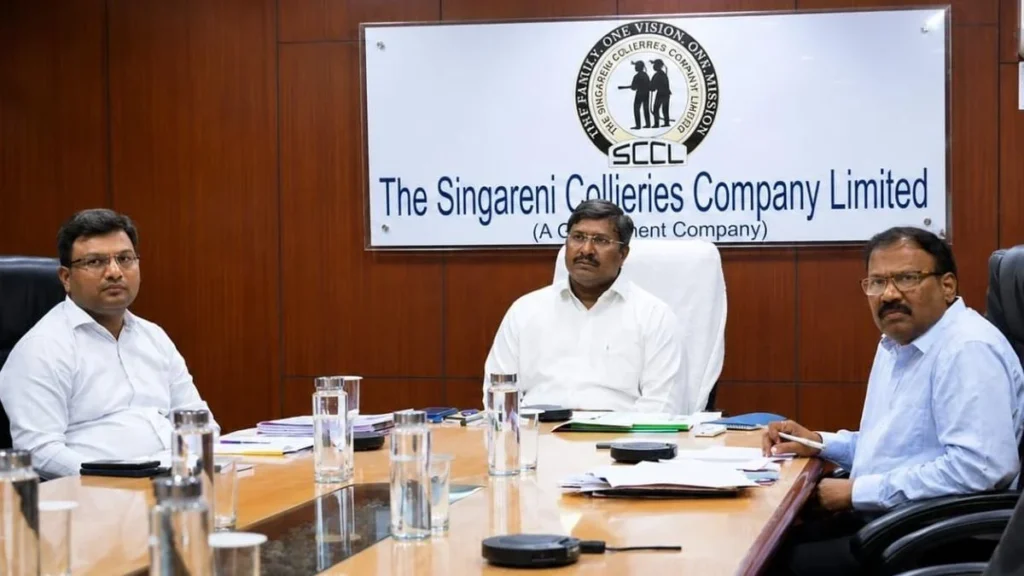
HYDERABAD – As the state of Telangana grapples with the intensifying impact of El Niño conditions—which have led to unpredictable weather patterns and a sharp spike in electricity demand—the Singareni Collieries Company Limited (SCCL) has moved to the center stage of the state’s energy security strategy. In a high-level coordination meeting held on Friday, July 17, 2026, the leadership of SCCL reaffirmed its commitment to prioritizing thermal power generating stations within the state to prevent potential power outages and ensure the seamless operation of the grid.
A Proactive Response to Energy Crises
The meeting, conducted via video conference, brought together the top brass of SCCL and the Telangana Power Generation Corporation Ltd (TG-Genco). SCCL Chairman and Managing Director (CMD) Dr. Buddhaprakash Jyoti presided over the discussions, joined by TG-Genco CMD S. Harish and a delegation of senior officials from both organizations.
The central theme of the dialogue was the necessity of maintaining coal stock levels that can withstand the current surge in power consumption. With the El Niño phenomenon causing erratic heatwaves and subsequent cooling demands, the dependency on thermal power has reached a critical juncture. Dr. Jyoti underscored that the state’s thermal plants must remain fully operational, leaving no room for fuel shortages.
The Chronology of the Strategic Pivot
The decision to prioritize internal coal supply follows weeks of monitoring the state’s power consumption patterns.
- Early July 2026: Initial assessments indicated that thermal power generation in Telangana was hitting record highs, putting pressure on existing coal stockpiles.
- Mid-July 2026: SCCL’s marketing division conducted a comprehensive audit of coal distribution, revealing that while 72% of coal was already allocated to regional power producers, the surging demand necessitated a shift in logistics.
- July 17, 2026: The formal coordination meeting took place, where the decision to reallocate coal earmarked for other states was finalized, ensuring that Telangana’s own power plants receive priority treatment.
Supporting Data: The Logistics of Power
SCCL, a major coal producer in India, has traditionally served a diverse portfolio of clients, including industrial users and power plants in neighboring states. However, the data presented during Friday’s meeting paints a clear picture of shifting priorities.
Currently, SCCL supplies approximately 72% of its total output to three primary consumers: the TG-Genco thermal power stations, the NTPC Ramagundam facility, and the Singareni Thermal Power Plant. To accommodate the heightened demand, Dr. Jyoti has directed that, should the need arise, coal stocks originally designated for supply to other states be strategically reallocated to meet the immediate, non-negotiable requirements of Telangana’s thermal grid.
The logistics plan involves a multi-pronged approach:
- Rake Availability: Close coordination with railway authorities to ensure a constant supply of rakes for transportation.
- Road Logistics: Optimizing road transport for shorter-distance deliveries to ensure that power plants never run dry.
- Special Monitoring: The appointment of dedicated nodal officers responsible for tracking the movement of coal from the mines to the boiler gates of the power stations.
Official Responses and Strategic Directives
During the meeting, Dr. Buddhaprakash Jyoti emphasized that the current situation requires a "wartime" approach to fuel management. "Our primary duty is to the citizens of Telangana," Dr. Jyoti remarked. "We must ensure that the lights stay on, regardless of the challenges posed by climate conditions or logistical hurdles. We are placing our own power plants at the top of our supply chain hierarchy."
TG-Genco CMD S. Harish echoed these sentiments, stressing that local bottlenecks in transportation—often the primary cause of supply delays—must be identified and eliminated in real-time. He urged the senior officials on the ground to move from a reactive to a proactive operational model, resolving transit issues before they escalate into supply chain disruptions.
Operational Resilience in the Monsoon
Beyond the immediate demand spike, the meeting also addressed the seasonal challenges inherent in coal mining. With the monsoon season currently in full swing, opencast mines are particularly vulnerable to flooding and operational downtime.

Dr. Jyoti issued a stern directive to the General Managers of all SCCL areas: coal production must remain consistent. He emphasized that under no circumstances should the monsoon lead to a decline in output. Furthermore, he mandated that the quality of coal—specifically its caloric value and moisture content—must be maintained to ensure the efficiency of the thermal plants. Inferior coal quality can lead to boiler issues in power plants, potentially causing unplanned shutdowns, a risk the state cannot afford at this juncture.
The Broader Implications: Energy Security and Economic Stability
The decision by SCCL and TG-Genco has significant implications for Telangana’s economic stability. Reliable electricity is the backbone of the state’s industrial and agricultural sectors.
1. Industrial Continuity
Telangana’s robust manufacturing and tech sectors are highly sensitive to power fluctuations. By ensuring a steady supply of coal to the thermal plants, the government is effectively hedging against the risk of industrial shutdowns, which could have a cascading effect on the state’s GDP.
2. Agricultural Stability
In a state where agriculture relies heavily on irrigation pumps, constant power supply is essential. Ensuring thermal plants operate at peak capacity provides the necessary base load to keep the state’s agricultural power grid functional, especially during periods where hydel power might be variable.
3. Climate Adaptation
The acknowledgment of "El Niño conditions" as a driving factor for energy policy reflects a maturing understanding of climate-sensitive infrastructure management. By integrating weather-forecast-based demand models into their supply chain planning, SCCL and TG-Genco are setting a new standard for inter-departmental cooperation in India.
Future Outlook
As the summer of 2026 continues to test the resilience of the national power grid, the partnership between SCCL and TG-Genco serves as a critical case study in regional energy independence. The commitment to maintain close coordination on coal production, transportation, and logistics suggests that Telangana is well-positioned to navigate the coming months without significant power shortages.
The appointment of special monitoring officers and the willingness to pivot supply allocations are clear indicators that the state’s energy leadership is prioritizing stability over traditional commercial commitments. For the people of Telangana, this means a reliable power supply is being treated as a high-priority, strategic necessity, backed by the full weight of the state’s coal mining infrastructure.
In the coming weeks, both organizations have pledged to hold frequent reviews to assess stock positions. This continuous loop of data sharing and logistical adjustment will likely be the determining factor in whether Telangana avoids the energy crises that often plague rapidly developing regions during peak climate stress.
As Dr. Jyoti concluded in the meeting, "Our focus is unwavering: production, quality, and delivery. We are not just mining coal; we are fueling the future of the state."