The Fall of a Digital Syndicate: Scattered Spider’s Key Operatives Plead Guilty
The landscape of international cybercrime shifted significantly this week as two central figures in the notorious hacking collective known as "Scattered Spider" entered guilty pleas in a United Kingdom court. The proceedings, which commenced on the first day of what was projected to be a grueling six-week trial, mark a watershed moment in the global effort to dismantle one of the most prolific and disruptive cybercriminal groups of the modern era.
Thalha Jubair, 20, of East London, and 18-year-old Owen Flowers of Walsall, stood before the court to admit their roles in a sophisticated criminal conspiracy. Their actions, which targeted critical infrastructure and multinational corporations, have left an indelible mark on the cybersecurity landscape of both the United Kingdom and the United States.
The Core Admissions: Transport for London and Beyond
The charges against Jubair and Flowers stem from a campaign of digital destruction that culminated in the August 2024 cyberattack on Transport for London (TfL). The attack effectively crippled the infrastructure responsible for the Greater London area’s public transport network, demonstrating the group’s willingness to target essential public services.
Both men pleaded guilty to conspiring to commit unauthorized acts against TfL computer systems and causing a risk of serious damage to human welfare. While the TfL incident serves as the primary basis for the current U.K. prosecution, the scope of their criminal activity extends far beyond British borders. Owen Flowers, in a separate admission, confessed to his involvement in a conspiracy to infiltrate U.S.-based healthcare providers, specifically targeting SSM Health Care Corporation and Sutter Health in September 2024.
A Chronology of Digital Subversion
To understand the scale of the threat posed by Scattered Spider, one must examine the timeline of their operations, which reveal a relentless pursuit of illicit profit through technological exploitation.
The Rise of the Syndicate (2022–2023)
The group’s trajectory began in earnest with a massive SMS phishing campaign during the summer of 2022. This operation, which utilized sophisticated social engineering to harvest single sign-on (SSO) credentials, impacted hundreds of organizations. Among the victims were industry giants such as LastPass, DoorDash, Mailchimp, Plex, and Signal.
By September 2023, the group had escalated their tactics, moving into high-profile ransomware attacks. Their disruption of Las Vegas casino operators MGM Resorts and Caesars Entertainment brought them international notoriety. Sources close to the investigations have identified Owen Flowers as the individual who acted as a spokesperson for the group during this period, providing media interviews that brazenly detailed the group’s successes.
The Escalation (2024–2025)
In 2024, the focus shifted toward critical infrastructure in the U.K., including the aforementioned TfL attack. Simultaneously, the group maintained a steady stream of revenue through targeted attacks on major retailers such as Marks & Spencer, Harrods, and the Co-op Group.
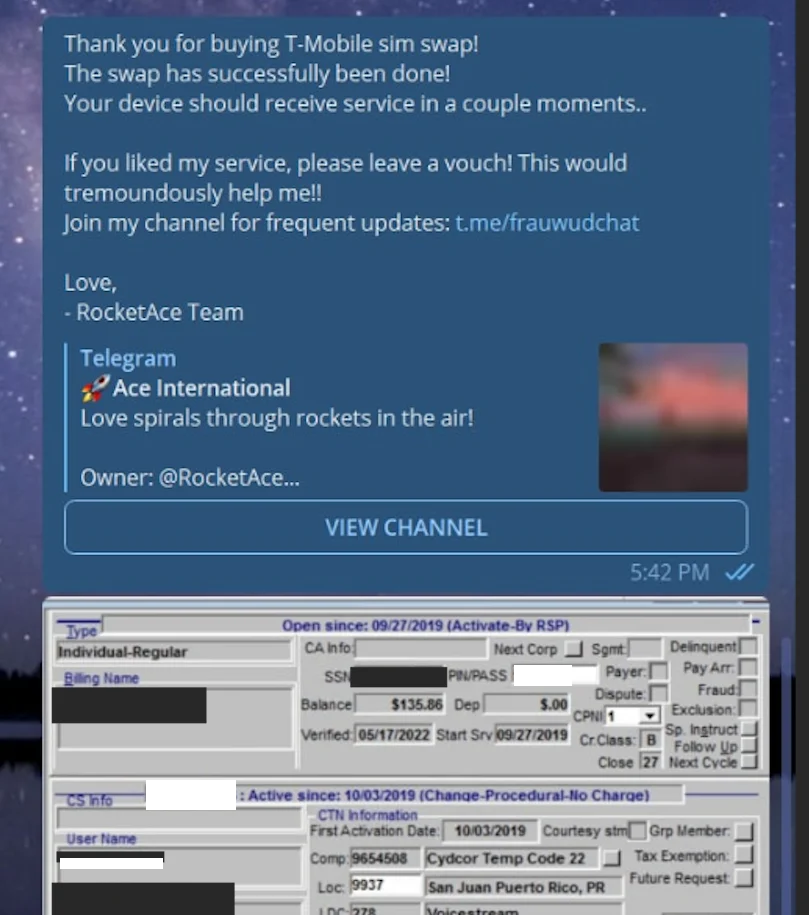
Throughout this period, Thalha Jubair was reportedly operating under multiple aliases, including "Rocket Ace" and "Everlynn." His activities were diverse, ranging from co-managing the "Star Chat" Telegram channel—a hub for SIM-swapping services—to crafting fraudulent "emergency data requests." These requests, which impersonated law enforcement to extract sensitive user data from tech companies, highlighted a terrifying evolution in criminal methodology: the weaponization of bureaucratic trust.
Supporting Data: The Cost of Cybercrime
The financial impact of Scattered Spider is staggering. According to a September 2025 indictment unsealed by U.S. prosecutors in New Jersey, Jubair and his associates were implicated in over 120 network intrusions affecting 47 U.S. entities between May 2022 and September 2025. The total ransom payments extorted by the group are estimated to be at least $115 million.
The efficacy of their operations was rooted in their ability to compromise the human element of digital security. By targeting wireless providers in the U.S. and U.K., the group could redirect phone numbers, thereby intercepting one-time authentication codes and bypassing multi-factor authentication (MFA) protocols. This "SIM-swapping" service provided a scalable, repeatable method for unauthorized access that became a core pillar of their business model.

Official Responses and Global Enforcement
The dismantling of this criminal network has been a collaborative effort between the U.K.’s National Crime Agency (NCA) and various U.S. law enforcement entities, including the Department of Justice.
The Legal Net Widens
The convictions of Jubair and Flowers are not isolated incidents but part of a broader crackdown. In April 2026, 24-year-old Tyler "Tylerb" Buchanan pleaded guilty to wire fraud conspiracy and aggravated identity theft. His participation in the 2022 SMS phishing spree, which resulted in the theft of at least $8 million in cryptocurrency, has made him a focal point for investigators. Buchanan is currently awaiting sentencing.
Furthermore, the U.S. Department of Justice continues to pursue several other alleged members of the collective. Individuals such as Ahmed Hossam Eldin Elbadawy, Evans Onyeaka Osiebo, and Joel Martin Evans remain under indictment, facing charges that could result in lengthy federal prison sentences. The precedent was set in August 2025, when 20-year-old Noah Michael Urban was sentenced to 10 years in federal prison and ordered to pay $13 million in restitution.
Implications for Future Cybersecurity
The guilty pleas of Jubair and Flowers serve as a stark reminder of the vulnerability of modern digital infrastructure. Several key implications arise from the exposure of the Scattered Spider operations:
1. The Death of "Invisible" Anonymity
The case demonstrates that even highly technical, distributed, and pseudonymous hacking groups are not beyond the reach of international law enforcement. Through forensic analysis of Telegram channels, financial tracking of cryptocurrency flows, and persistent intelligence gathering, authorities have successfully bridged the gap between online handles and physical identities.
2. The Vulnerability of Critical Infrastructure
The attack on Transport for London serves as a case study for the fragility of public sector systems. As attackers move beyond mere data theft toward the active disruption of urban life, the necessity for robust, air-gapped backups and more resilient authentication protocols has never been greater.
3. The End of "Emergency" Exploitation
The use of fraudulent emergency data requests by actors like "Everlynn" highlights a critical flaw in how tech companies handle law enforcement requests. This will likely force a industry-wide reevaluation of the verification processes used to validate police and government requests, moving toward a more secure, authenticated portal system.
4. The Human Factor
The success of Scattered Spider was largely predicated on social engineering—phishing employees, tricking support staff, and manipulating internal tools. Organizations must move beyond technical solutions like MFA and focus on comprehensive security awareness training that empowers employees to recognize and report suspicious attempts to compromise their credentials.
Conclusion: A Turning Point?
As the London court prepares for the sentencing of Thalha Jubair and Owen Flowers on July 15, 2026, the global cybersecurity community watches with cautious optimism. While the Scattered Spider syndicate has been severely weakened, the techniques they pioneered—specifically the weaponization of SIM-swapping and the exploitation of emergency data requests—remain a threat.
The successful prosecution of these young individuals, who operated with a level of sophistication previously reserved for state-sponsored actors, underscores a new reality: the frontier of cybercrime is increasingly populated by young, highly capable, and ethically unmoored individuals. The response, as demonstrated by the NCA and the U.S. DOJ, must remain equally agile, global in scope, and relentless in its pursuit of accountability. The era of unchecked digital ransoms may not be over, but the cost of entry for such criminal activity has risen exponentially.