Mastering the YouTube Algorithm: The BINGE Method for High-Retention Video Scripts
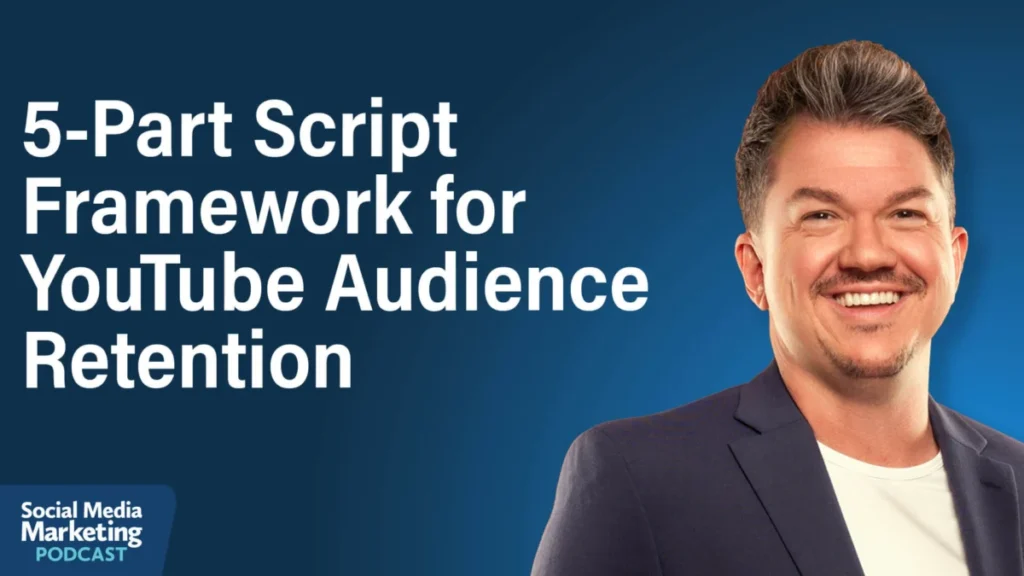
In the competitive landscape of modern digital media, creators and marketers frequently obsess over vanity metrics: subscriber milestones, total view counts, and immediate viral reach. However, according to veteran YouTube strategist Adam Ivy, these metrics miss the fundamental mechanism that drives long-term business growth on the platform.
The single metric that genuinely moves the needle for business-minded creators is not how many people click on a video, but how long they stay.
Average view duration—commonly known as audience retention—dictates how aggressively YouTube’s recommendation system distributes content across browse features, suggested videos, and search results. To solve the retention puzzle, Ivy developed the BINGE Method, a five-part scripting framework designed to capture attention, build deep consumer trust, and convert passive viewers into high-paying clients.
Main Facts: The Shift from Clicks to Retention
The mechanics of long-form video platforms differ fundamentally from fast-paced, short-form networks like TikTok or Instagram Reels. While short-form content relies on distracted attention—delivering rapid bursts of dopamine that leave viewers unable to recall a creator’s name an hour later—YouTube increasingly mirrors traditional subscription television.
Recent platform data indicates that TV viewership on YouTube has surged by more than 60% year-over-year. Audiences are treating YouTube like Netflix or HBO, sitting down on living room couches and offering creators their full, focused attention.
This deep engagement yields tangible commercial results. Ivy, who retired his primary YouTube channel two years ago, reports that his dormant library continues to generate hundreds of thousands of views, passive AdSense revenue, and consistent inquiries for high-ticket coaching programs. Furthermore, the trust established through long-form video significantly compresses the sales cycle. Ivy maintained an 83% close rate on sales calls for nearly three years because prospective clients had already spent hours familiarizing themselves with his expertise, personality, and delivery style prior to the call.
This dynamic aligns closely with Google’s proprietary 7-11-4 research, which demonstrates that consumers typically require 7 hours of content, 11 touchpoints, and interactions across 4 platforms before feeling comfortable making a major purchase. Long-form YouTube content accelerates this timeline by delivering substantive hours of touchpoints in a single sitting.
Chronology: The Evolution of the ARC Model and BINGE Scripting
The development of the BINGE framework spans Ivy’s 16-year career on the platform, refined through iterative testing on his own channels to isolate structural patterns that keep audiences engaged versus those that prompt drop-offs.
- Foundation (Early Years): Ivy initially focused on traditional metrics like subscriber acquisition, noticing a disconnect between view counts and actual business revenue.
- The Pivot to Retention: Recognizing that views without retention equal zero business value, Ivy structured his approach around the ARC Model (Attract, Retain, Convert). In this model, retention serves as the indispensable bridge; attracting viewers who bounce immediately is useless, and converting un-retained viewers is nearly impossible.
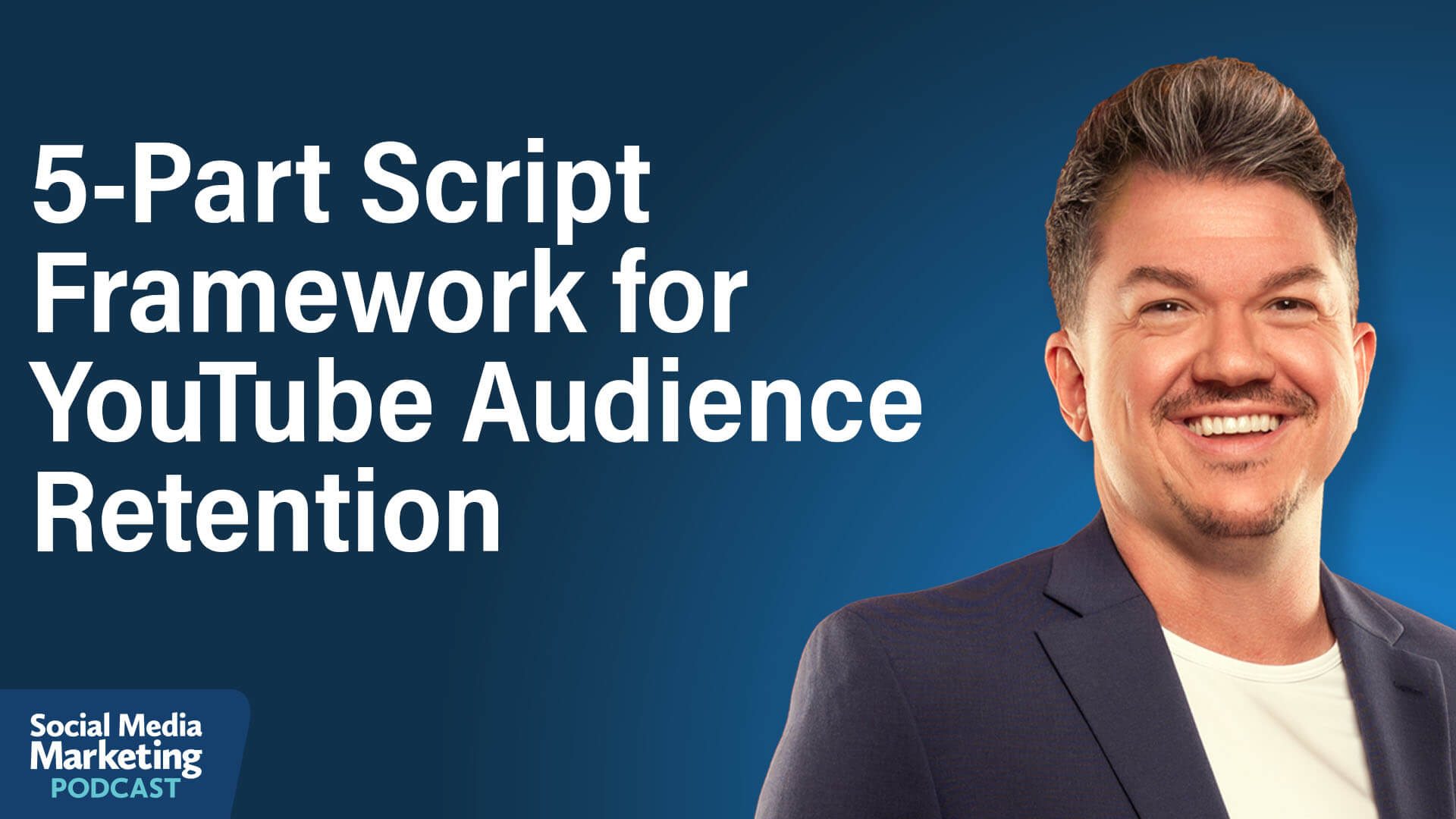
- Refinement of the Scripting Framework: Over years of tracking audience retention graphs, Ivy synthesized his findings into an acronym-based blueprint: BINGE (Banger Hook, Build Intrigue, Nudge Forward, Generate Engagement, End in Momentum).
Rather than functioning as a rigid, word-for-word memorization tool, the BINGE method acts as a foundational screenwriting structure. It alternates between tension and resolution, ensuring that as one storyline or question is answered, another narrative loop opens to keep the viewer locked in.
Supporting Data: Dissecting the BINGE Framework
To maximize retention and drive conversions, creators must master each of the five structural elements outlined in the BINGE methodology.
1. Opening With a "Banger Hook" and Building Intrigue
The B in BINGE stands for a banger or bombshell hook. Occurring immediately after the viewer presses play, its objective is to generate an instantaneous visceral emotional reaction—whether happiness, grief, anger, fear, or fear of missing out (FOMO)—stopping them from scanning the suggested videos sidebar.
According to Ivy, the outdated advice that creators have 30 seconds to hook an audience is "2016 math." Modern attention spans require both the hook and subsequent intrigue to land within roughly eight seconds. Crucially, effective hooks connect with the viewer’s emotional state, not just their intellectual problems.
The I in BINGE—build intrigue—follows immediately as "hook part two." Rather than giving away spoilers or teaching core concepts upfront, the creator teases the transformation. Ivy teaches the Yo-Yo Method (a pronoun-shifting pattern moving through you, we, I, we, you) to seamlessly bridge the emotional trigger into the teased solution without visible seams.
2. The Nudge Forward: Preventing Viewer Exit Points
The N in BINGE—nudge forward—prevents viewers from finding a natural exit point between talking points. The primary retention killer identified by Ivy is the standard numbered listicle or upfront agenda (e.g., "In this video, I’m going to show you step one, step two, and step three"). When creators outline everything immediately, viewers calculate how much time has passed and assume they can connect the dots themselves, leading to a mass drop-off.
Instead, Ivy advocates for the "useful, but incomplete" approach. Each section delivers genuine, actionable value, but the transition into the next segment explicitly signals that a critical piece of the puzzle is still missing. This rhythm mimics a video sales letter, alternating between positive reinforcement and micro-tension.
3. Generating Engagement to Drive Algorithm Distribution
The G in BINGE—generate engagement—rejects generic, disruptive calls-to-action like "like, comment, and subscribe." Instead, creators should engineer opportunities for thoughtful audience participation:

- The Report Back Technique: Instructing viewers to investigate their own analytics or workflows and report their specific findings in the comments section.
- The Public Proclamation Technique: Asking viewers to make a public commitment in the comments (e.g., declaring that "today is the day my channel finally breaks free") and visually highlighting those comments on screen.
Active engagement signals to the YouTube algorithm that viewers are fully immersed, increasing browse and suggested distribution. Furthermore, natural monetization integration—such as the "By the Way, Anyway" technique—weaves lead magnets and resource pitches casually into the conversation without altering the creator’s conversational tone.
4. Ending in Momentum to Fuel Session Time
The E in BINGE—end in momentum—corrects the common mistake of signaling a video’s conclusion too early. Phrases like "As we start to wrap up…" with several minutes remaining serve as an immediate invitation to click away.
Instead, the conclusion should take roughly seven seconds, flowing directly into end-screen directions. By utilizing generic teases for subsequent videos rather than permanent titles, creators keep viewers moving seamlessly from one video to the next. This increases overall session time, sending powerful trust signals to the algorithm. Additionally, employing advanced tactics like unlisted video retargeting on thank-you pages ensures that customers and lead-magnet downloaders are organically reintroduced to the creator’s public catalog via their YouTube homepages.
Official Responses and Industry Implications
As digital marketing budgets tighten and ad acquisition costs rise on traditional social networks, industry reactions to retention-focused, organic strategies like the BINGE method have been overwhelmingly positive.
Platform analysts note that YouTube’s growing dominance in the living room environment validates the shift toward long-form, high-retention content. Advertisers are increasingly shifting focus away from ephemeral, high-frequency impressions toward long-form ecosystems where consumers willingly invest 10, 20, or 30 minutes of undivided attention.
For service providers, consultants, and enterprise brands, the implications are clear: short-form video serves well for top-of-funnel brand awareness, but sustainable trust and high-ticket customer conversion require long-form architectural strategies. By adopting structured scripting frameworks that prioritize audience retention and psychological engagement, creators can transform a standard video library into an evergreen, automated lead-generation engine that works tirelessly for years after the initial upload.