The AI Revolution: Navigating the New Frontier of Business Productivity
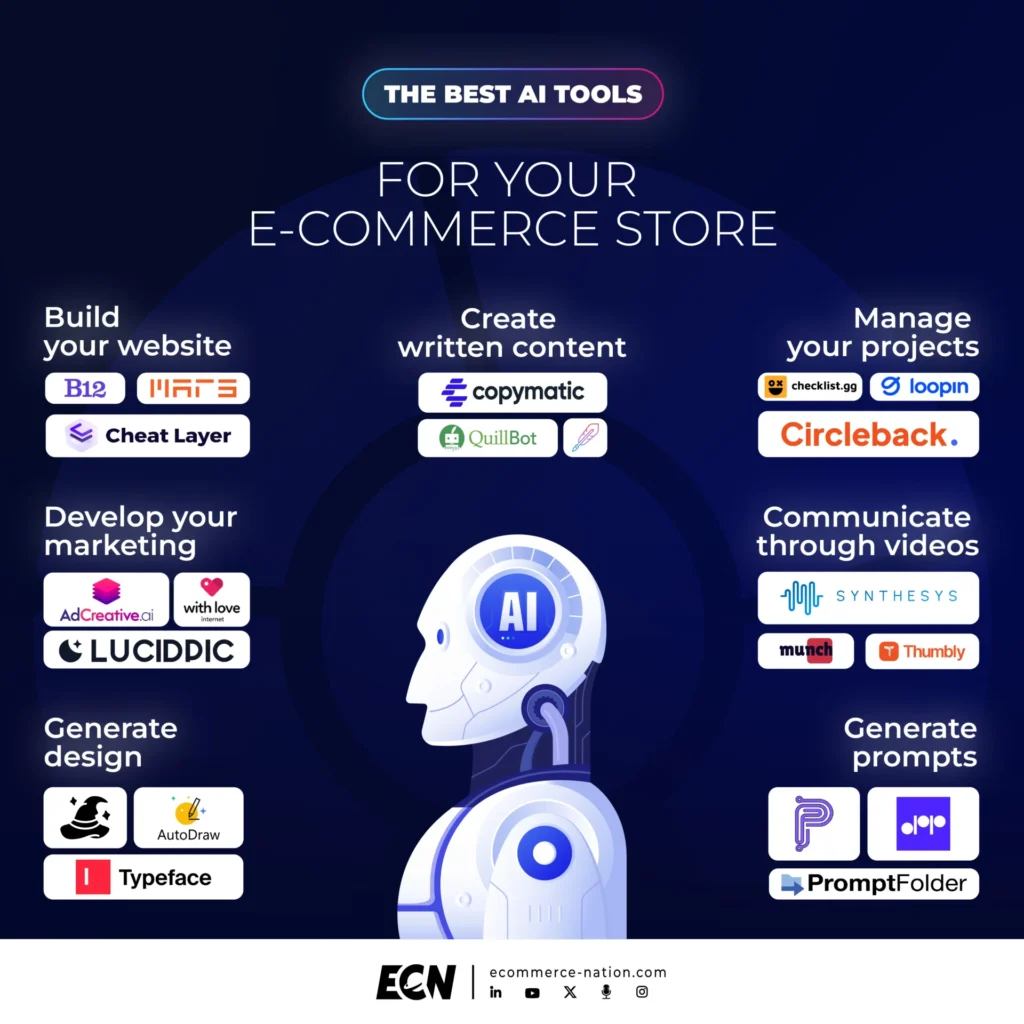
Artificial Intelligence (AI) has transcended the realm of science fiction to become the backbone of modern enterprise. No longer a luxury for tech giants, AI-driven solutions are now essential tools for businesses of all sizes, from local e-commerce boutiques to multinational corporations. As language models and generative AI systems become increasingly sophisticated, they are reshaping how we build, market, and manage our digital ecosystems.
Main Facts: The Current State of the AI Landscape
The rapid adoption of artificial intelligence is not merely a passing trend; it is a fundamental shift in the global economic landscape. According to recent data from AuthorityHacker, 35% of companies have already fully integrated AI into their core operational processes. Even more telling is the sentiment among business leaders: 90% of organizations now view AI assistance as a decisive competitive advantage.
The ubiquity of the technology is further confirmed by the hardware statistics, with 77% of all consumer devices now utilizing some form of AI to enhance functionality. This integration ranges from predictive text and battery management to sophisticated recommendation engines that drive the global retail economy. Whether you are seeking to optimize your supply chain, automate customer service, or enhance your creative output, understanding the mechanics of these tools is no longer optional—it is a prerequisite for survival.
A Brief Chronology: From Academic Curiosity to Industrial Powerhouse
The journey of AI has been marked by long periods of "winter" followed by exponential leaps in progress.
- 1950s – 1980s (The Foundation): The inception of the Turing Test and early symbolic AI set the stage. During this era, AI was largely academic, focusing on logic-based problem solving and limited machine learning.
- 2010s (The Deep Learning Boom): The advent of high-performance GPUs and massive datasets allowed neural networks to flourish. Image recognition and natural language processing (NLP) began to show commercial viability.
- 2022 (The Generative Inflection Point): The public release of ChatGPT and DALL-E marked a paradigm shift. For the first time, sophisticated AI capabilities were accessible to non-technical users via natural language prompts.
- 2024 and Beyond (The Integration Era): We have entered a phase where AI is being "baked into" every SaaS platform, CRM, and content management system, moving from standalone chatbots to integrated workflow copilots.
Supporting Data: Why AI is an Economic Imperative
The economic argument for AI adoption is supported by a growing body of evidence. Efficiency gains are the most immediate benefit. Studies indicate that professionals using AI for routine content generation, coding, and data analysis report productivity increases of up to 40%.
Furthermore, the "barrier to entry" for digital businesses has lowered significantly. Where a website once required a team of developers, designers, and copywriters, a single entrepreneur can now leverage AI-powered suites to achieve professional-grade results in a fraction of the time. This democratization of high-end business tools is forcing a recalibration of the workforce, shifting the focus from manual execution to strategic oversight and "prompt engineering."
Official Responses: Navigating the Ethical and Strategic Challenges
As AI adoption scales, global regulatory bodies and industry leaders have begun to address the implications of this transition. Governments, including the European Union with its AI Act, are establishing frameworks to ensure that AI development remains transparent and ethical.
Business leaders emphasize a "Human-in-the-Loop" philosophy. The consensus among top-tier consultancy firms is that AI is not a replacement for human intellect but a force multiplier. Executives warn that companies failing to adopt AI will face "digital stagnation," finding themselves unable to compete with the speed and personalization capabilities of AI-integrated competitors. However, this is balanced by calls for caution regarding data privacy and the security of proprietary information fed into third-party language models.
Implications for Your Business: A Multi-Faceted Toolkit
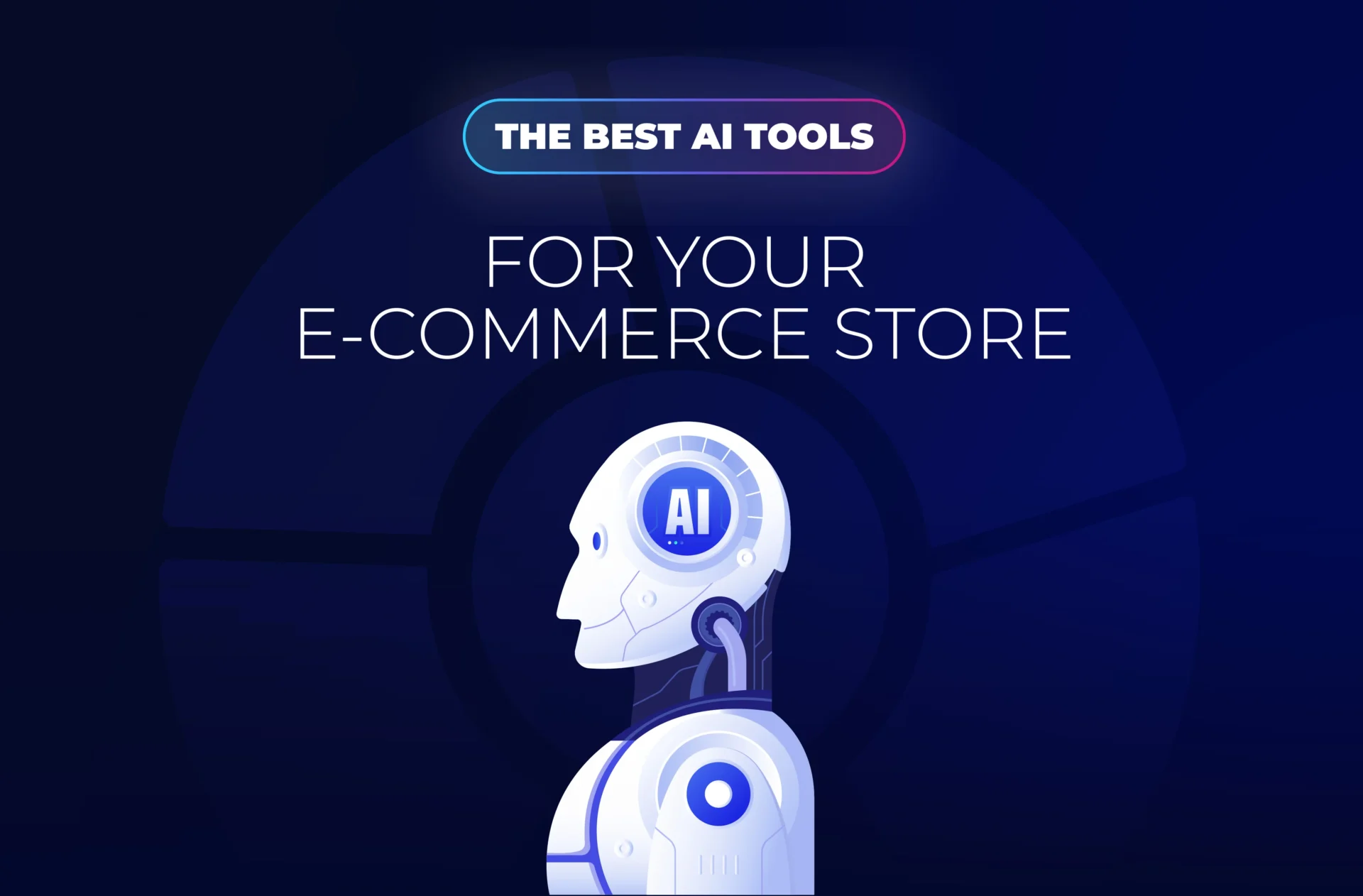
To capitalize on this technological wave, businesses must categorize their needs. Below is a breakdown of how AI is being applied across various operational pillars:
1. Web Development and Infrastructure
Modern AI tools can now generate clean, responsive code or provide drag-and-drop builders that adapt in real-time based on user behavior. This ensures that e-commerce stores are not only visually appealing but also optimized for high conversion rates from day one.
2. Marketing and Brand Strategy
AI-driven marketing platforms analyze consumer sentiment and search trends to suggest content topics, predict viral potential, and optimize ad spend across social media channels. The ability to hyper-personalize marketing messages at scale has replaced the "one-size-fits-all" approach.
3. Multimedia Communication
Video has become the primary medium for consumer engagement. AI tools now allow for text-to-video generation, automated subtitles, and voice synthesis, enabling small teams to produce professional marketing campaigns that previously required entire production studios.
4. Project Management and Operations
By integrating AI into project management suites, businesses can now predict project bottlenecks before they happen. AI algorithms analyze historical performance data to provide accurate timelines, resource allocation suggestions, and risk assessments, ensuring that operations remain fluid.
5. Prompt Engineering and Content Creation
The art of "prompting" has become a new professional skill set. By mastering how to converse with LLMs (Large Language Models), creators can generate high-quality, SEO-friendly content, blog posts, and technical documentation that maintains a consistent brand voice.
6. Design and Visual Identity
Graphic design is undergoing a renaissance. From creating custom logos to generating photorealistic product photography, AI image generators allow brands to maintain a high-quality visual presence without the recurring costs of traditional design agencies.
Looking Ahead: The Future of AI Integration
As we look toward the remainder of the decade, the focus will shift from "What AI tools can I use?" to "How do I build an AI-first culture?" The businesses that thrive will be those that treat AI as a collaborator rather than a tool.
The integration of AI into daily workflows—from automated customer support agents that resolve complex queries to predictive analytics that manage inventory levels—is rapidly becoming the new industry standard. For the modern professional, the path forward is clear: stay curious, experiment with these emerging technologies, and learn to leverage them to amplify your unique value proposition.
By adopting these tools now, you are not just keeping pace with the industry; you are positioning your business to lead in an increasingly automated and data-driven marketplace. The infographic provided serves as your starting point for this journey—a curated selection of the most impactful tools available to propel your projects into the future.
Disclaimer: As AI technologies evolve rapidly, we recommend continuous evaluation of the tools mentioned to ensure they align with your specific data privacy policies and operational requirements.