The AI Revolution: Transforming the Digital Landscape and Empowering Modern Business
Artificial Intelligence (AI) has transcended its origins as a niche technological curiosity to become the cornerstone of modern professional productivity. As the technology matures, its integration into everyday workflows—from creative content generation to complex supply chain management—has accelerated at an unprecedented pace. For entrepreneurs, digital marketers, and business leaders, the question is no longer whether to adopt AI, but how to leverage it to maintain a competitive edge.
The State of Play: Current Market Realities
The rapid proliferation of AI language models and machine learning frameworks has fundamentally altered the digital landscape. According to recent data from AuthorityHacker, approximately 35% of global companies have already integrated AI into their core processes. Perhaps more telling is the shifting perception among leadership; 90% of executives now view AI as a vital competitive advantage. This sentiment is mirrored in the consumer technology sector, where 77% of modern devices now incorporate AI functionalities, effectively embedding the technology into the fabric of daily life.
The surge in adoption is driven by the democratization of AI tools. Where once advanced automation was the domain of tech giants with massive R&D budgets, intuitive, user-friendly AI platforms are now accessible to freelancers, small business owners, and mid-sized enterprises.
Chronology of the AI Surge
To understand where we are, we must look at the rapid evolution of the technology over the last decade:
- 2014–2017: The Foundation: The introduction of Generative Adversarial Networks (GANs) and early neural networks laid the groundwork for machine-generated content.
- 2018–2020: The Rise of Transformers: The development of the Transformer architecture enabled models to understand context and nuance better than ever before, paving the way for sophisticated Natural Language Processing (NLP).
- 2022: The "ChatGPT" Moment: The public release of LLMs (Large Language Models) brought AI into the public consciousness, shifting it from a back-end utility to a front-end interface for millions.
- 2023–2024: Integration and Ecosystems: The focus has shifted from standalone models to integrated "AI-first" platforms, where tools for design, marketing, and management are interconnected.
Supporting Data: Why AI is No Longer Optional
The economic implications of AI integration are quantifiable. Research suggests that businesses utilizing AI-driven analytics report an increase in efficiency of up to 40% in administrative tasks. Furthermore, the ability to automate routine customer interactions has led to a significant reduction in overhead costs, allowing teams to refocus on high-level strategy.
When we examine the penetration rate, it is clear that the "early adopter" phase is ending. We are currently in the "scaling phase," where those who fail to adopt these tools risk being priced out of the market by more agile competitors. The data indicates that early adopters are seeing a 15–20% improvement in customer retention rates due to personalized AI-driven marketing campaigns.
Official Perspectives: The Industry Consensus
Industry leaders, from technology pioneers to retail giants, have reached a consensus: AI is a transformative force akin to the introduction of the internet.
"The integration of artificial intelligence is not merely an operational upgrade; it is a fundamental shift in how value is created," says one industry analyst. "Companies are moving away from manual data processing toward predictive intelligence. This allows for proactive rather than reactive business strategies."
Experts emphasize that the goal of AI is not to replace the human element, but to augment it. By offloading repetitive, low-value tasks to intelligent systems, professionals can dedicate more time to creative problem-solving and relationship building—areas where human intuition remains superior.
Implications for Modern Business: A Strategic Roadmap
As organizations look to implement these technologies, they must focus on specific pillars of operation. Below is a framework for integrating AI into the modern business ecosystem.
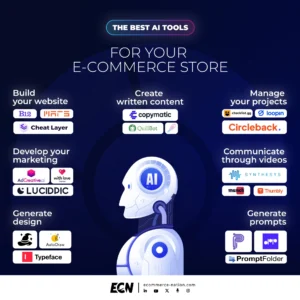
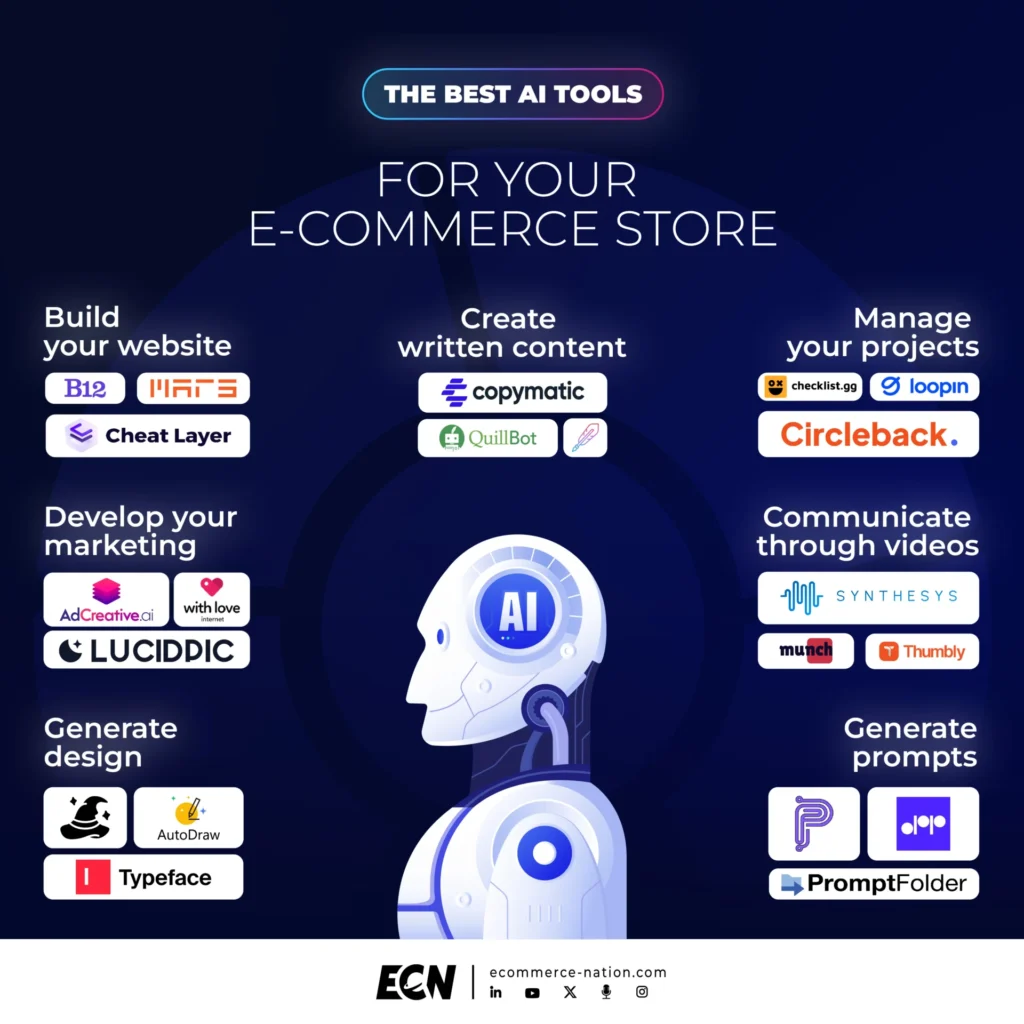
1. Website Development and Optimization
Building a web presence no longer requires months of coding. AI-powered website builders can now generate layouts, optimize for SEO, and suggest user interface improvements in real-time based on visitor behavior.
2. Marketing and Brand Strategy
Modern marketing is data-heavy. AI tools can analyze market trends, predict consumer behavior, and generate personalized email campaigns. By automating the A/B testing process, marketers can refine their messaging with clinical precision.
3. Video Production and Communication
Video is the most engaging content medium, yet it remains the most resource-intensive to produce. AI-driven video editors now allow users to create professional-grade content, voice-overs, and automated subtitling, effectively lowering the barrier to entry for video marketing.
4. Project and Workflow Management
Managing a remote or hybrid team requires seamless coordination. AI-powered project management platforms can predict project delays, allocate resources based on team capacity, and automate status updates, keeping stakeholders aligned without the need for constant meetings.
5. Prompt Engineering
As we move toward a future of "human-AI collaboration," the ability to communicate with these systems—known as prompt engineering—has become a high-value skill. AI tools that assist in generating precise, effective prompts are now essential for extracting the highest quality output from models like GPT or Claude.
6. Written Content and SEO
Content remains king, but the speed of creation has shifted. AI tools help bridge the gap between ideation and publication. By utilizing these tools for drafting, grammar correction, and keyword optimization, content teams can maintain a high volume of output without sacrificing quality.
7. Creative Design
Visual identity is the first impression a brand makes. AI image generators have reached a level of sophistication where they can produce unique, high-resolution assets that align perfectly with brand guidelines, saving businesses thousands in traditional graphic design costs.
Navigating the Challenges of Implementation
While the benefits are clear, the transition to an AI-augmented business model is not without hurdles. The primary challenges include:
- Data Privacy: Ensuring that proprietary company information remains secure when using third-party AI models.
- The "Human Touch": Maintaining brand voice and authenticity in an era of automated content.
- Skills Gap: The need for continuous training to ensure staff can effectively interact with new tools.
To overcome these, successful companies are adopting a "Human-in-the-Loop" (HITL) philosophy. This ensures that every piece of AI-generated content or strategy is reviewed, refined, and authorized by a human expert. This hybrid approach ensures that the speed of AI is balanced by the nuance and ethical considerations of human judgment.
Future Outlook: The Next Horizon
As we look toward the remainder of the decade, the integration of AI will likely become even more seamless. We expect to see the rise of "Autonomous Agents"—AI systems capable of completing multi-step tasks across different software platforms without direct human intervention.
For the reader, the advice remains the same: begin by identifying the most time-consuming, low-value tasks in your daily operations. Research the AI tools available for those specific functions, run pilot tests, and scale your usage as you become comfortable.
The landscape of work is changing. The integration of artificial intelligence is no longer a futuristic concept—it is the present reality. By embracing these tools today, you are not just optimizing your processes; you are future-proofing your business against the challenges of tomorrow.
Disclaimer: As with any technological implementation, it is recommended that businesses conduct a thorough vetting process of any third-party software to ensure compliance with data protection regulations such as GDPR or CCPA.