The Cost of Connectivity: Why Smartphone Manufacturers are Quietly Hiking Prices
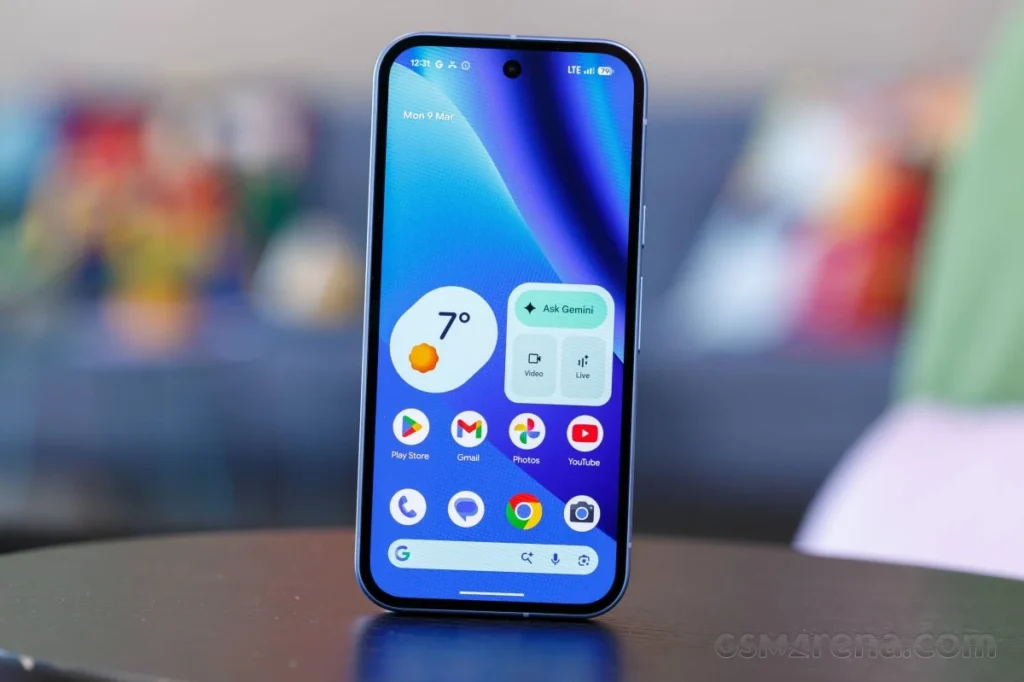
The smartphone industry, long characterized by predictable annual refresh cycles and stable pricing tiers, is currently undergoing a significant shift. In what appears to be a coordinated trend toward higher consumer costs, major manufacturers are adjusting their price tags upward. Following a notable pricing adjustment from Samsung yesterday, Google has quietly joined the fray, raising the price of its mid-range offering, the Pixel 10a. This development suggests that the era of "affordable premium" devices may be facing an existential threat driven by inflationary pressures and rising manufacturing costs.
Main Facts: The Pixel 10a Price Surge
The most immediate impact of this market shift is the sudden price adjustment for the Google Pixel 10a. Previously positioned as a cornerstone of Google’s value-oriented lineup with an accessible entry price of $499, the device has seen a $100 increase, bringing its retail price to $599.
This change was not preceded by a press release or a fanfare-heavy announcement. Instead, the new pricing structure simply appeared on the official Google Store in the United States. For consumers who were planning their budgets around the previous MSRP, this represents a 20% increase—a substantial jump for a device that has historically been marketed as the sensible, budget-friendly alternative to the flagship Pixel series. While some third-party retailers still reflect varying promotional deals, the official baseline set by the manufacturer has moved, signaling a new floor for the 10a series.
Chronology: A Week of Market Adjustments
To understand the current climate, one must look at the events of the past 48 hours. The week began with market rumors regarding supply chain constraints, but these quickly materialized into concrete financial actions.
- Day 1: The Samsung Precedent. Samsung initiated a global pricing strategy shift, increasing the cost of its flagship Galaxy S26 series. The hikes were not isolated to a single region; they affected major markets including the United States, Europe, and India. This served as a bellwether for the rest of the industry, signaling that the "cost of doing business" had exceeded the manufacturers’ ability to absorb it.
- Day 2: Google Follows Suit. Within 24 hours of the Samsung announcement, Google updated its US storefront for the Pixel 10a. By failing to issue an official statement, Google opted for a "quiet launch" of its new pricing, a common strategy used by tech giants to avoid the immediate backlash associated with consumer price hikes.
- Present Day: Industry analysts are now monitoring the Pixel 11 series and other competing mid-range devices to see if the current price hike creates a "rising tide" effect across the entire smartphone ecosystem.
Supporting Data: Why Costs are Rising
The decision to increase smartphone prices is rarely arbitrary. It is the result of complex macroeconomic pressures affecting every stage of the supply chain.
Semiconductor and Component Costs
The cost of silicon continues to fluctuate. With the increasing demand for high-end processing power and AI-integrated chipsets, the production cost for modern SoCs (System on Chips) has risen significantly. Furthermore, the specialized components required for high-resolution displays, advanced camera sensors, and battery safety features are subject to the same global inflationary pressures.
Logistics and Labor
Beyond the components themselves, the cost of moving goods globally remains volatile. Increased shipping costs, combined with higher labor wages across manufacturing hubs in Asia, have tightened margins for OEMs (Original Equipment Manufacturers). When these costs hit a certain threshold, companies are forced to choose between eroding their profit margins or passing the costs onto the consumer.
The "A-Series" Value Proposition
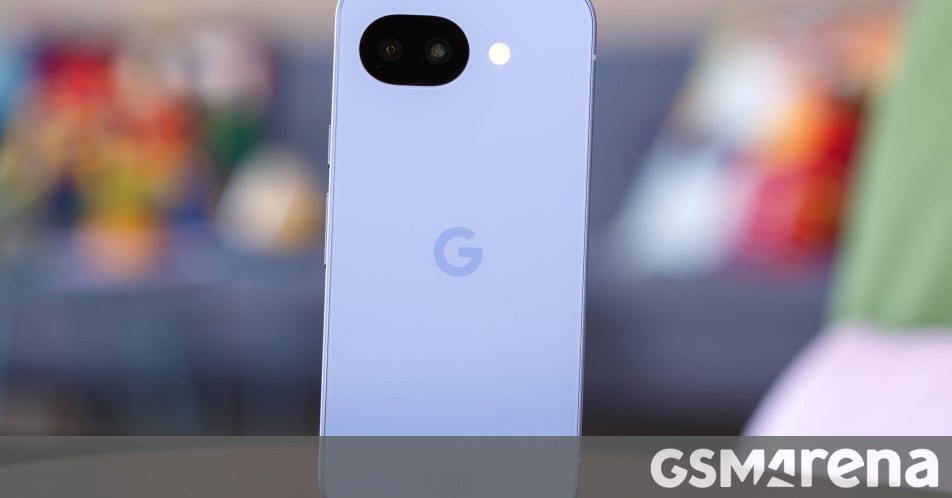
Historically, the "a" series from Google was designed to bridge the gap between low-cost hardware and high-end software. By utilizing the same processor as the flagship models but cutting costs in materials—such as using polycarbonate backs instead of glass or removing specialized camera hardware—Google maintained an attractive $499 price point. As the cost of the internal silicon increases, the "savings" achieved by using cheaper exterior materials are no longer sufficient to offset the total cost of production.
Official Responses and Corporate Silence
As of this writing, Google has not provided an official statement regarding the price increase. In the world of high-tech consumer electronics, silence is often a deliberate communication strategy. By declining to comment, the company avoids providing a platform for debate on its pricing strategy and minimizes the media cycle surrounding the increase.
However, industry observers note that companies often frame these moves under the guise of "maintaining quality and innovation." In a competitive market where consumer expectations for software longevity (such as years of Android updates) are at an all-time high, the cost of supporting a device long-term is significant. It is possible that the $100 increase is partially intended to cover the long-term cost of software maintenance and AI feature deployment, which are increasingly expensive to manage.

Implications for the Consumer
The implications of these price hikes are far-reaching, particularly for the average consumer who relies on mid-range devices as a sensible alternative to the $1,000+ flagship market.
The Death of the "Budget" Flagship?
If the entry price for a mid-range phone approaches $600, the market distinction between "budget" and "premium" begins to blur. This creates a vacuum in the $300–$400 segment, potentially forcing consumers to either purchase older, refurbished hardware or switch to lesser-known brands that operate on thinner margins.
The "Hold and Sustain" Strategy
The most practical outcome of this trend is a shift in consumer behavior. With prices rising, the incentive to upgrade annually or even biennially is diminishing. Consumers are increasingly holding onto their existing hardware for three, four, or even five years. The industry is effectively incentivizing a longer replacement cycle, which, ironically, may lead to lower sales volumes that necessitate further price hikes to maintain revenue levels—a challenging "downward spiral" for manufacturers.
Market Outlook: Should We Expect More?
The industry is currently in a state of watchful waiting. While the Pixel 11 series has not yet seen a price increase, it is highly probable that its launch pricing will reflect the new market reality. If the flagship series sees a corresponding $100–$200 jump, it will confirm that this is a systematic industry-wide pivot rather than an isolated incident.
For the consumer, the advice is clear: if you are currently in possession of a functional smartphone, holding onto it is the most fiscally responsible decision. The market is currently undergoing a "correction," and the landscape of what constitutes a "good deal" is being rewritten in real-time.

Conclusion: A Turning Point
The quiet price hike of the Google Pixel 10a is more than just a $100 adjustment; it is a signal of a maturing, and perhaps cooling, smartphone market. As component costs rise and the pace of revolutionary hardware innovation slows, companies are forced to rely on pricing strategies to sustain their growth targets.
Whether this move will pay off for Google remains to be seen. If consumers prove unwilling to accept the $599 price point for the "a" series, the company may be forced to introduce aggressive trade-in incentives or frequent sales to artificially lower the price back to its historical norms. Until then, the smartphone market remains a volatile space where the only certainty is that the cost of staying connected continues to rise. For those interested in the technical nuances of the device that sparked this change, Google’s comprehensive documentation and third-party reviews remain the best resources for determining if the current value proposition still aligns with your personal needs.