The Coup That Wasn’t: Inside Matt Mullenweg’s Rapid Ouster and Return as Automattic CEO
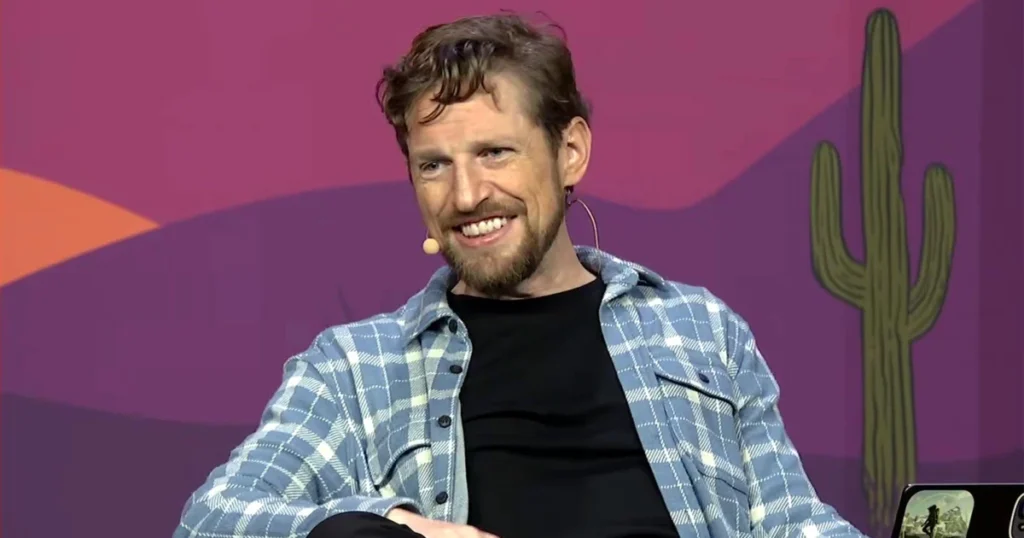
By Tech & Corporate Governance Desk
Published: September 2026
Main Facts
In one of the most bizarre and fast-moving corporate governance dramas in recent tech history, WordPress co-founder Matt Mullenweg has officially reclaimed his position as Chairman and CEO of Automattic, the commercial powerhouse behind WordPress.com, WooCommerce, and the primary corporate contributor to the open-source WordPress project.
The reversal comes mere days after an abrupt boardroom coup on Wednesday, September 9, which saw Mullenweg placed on sudden paid leave and stripped of his executive duties. Chief Financial Officer Mark Davies was installed as interim CEO in a move executed with ruthless speed—Mullenweg was reportedly given just 50 minutes of prior notice, and his requests for a legal review were summarily denied.
However, the board’s attempt to permanently sideline the company’s long-standing leader quickly unraveled due to a mixture of digital oversight, internal employee mobilization, and a ferocious counter-offensive waged by Mullenweg himself. By Saturday, September 12, an official company spokesperson confirmed that Mullenweg was back at the helm. Yet, the manner of his reinstatement—characterized by an unorthodox, highly informal corporate statement that read as though it were dictated by Mullenweg himself—has left industry observers questioning the true balance of power inside Automattic’s boardroom.
Chronology of Events
To understand how Automattic plunged into chaos and recovered within a 72-hour window, it is necessary to trace the sequence of events hour by hour.
Wednesday, September 9: The Boardroom Coup
The crisis began midweek when Automattic’s Board of Directors blindsided Matt Mullenweg. Convening an emergency meeting with less than an hour’s notice, the board voted to put Mullenweg on paid leave citing unspecified reasons.
Mark Davies, Automattic’s CFO, was swiftly elevated to interim CEO. To project stability, Automattic issued a crisp, formal three-sentence press statement:
“Matt Mullenweg is currently on leave from Automattic. Mark Davies, Automattic’s CFO, will lead the company as interim CEO. The Board has full confidence in Mark’s leadership and in the team’s ability to execute against the company’s priorities.”
For a brief window, it appeared that the corporate hierarchy had successfully sidelined its founder. But the board had overlooked a critical administrative detail: they failed to revoke Mullenweg’s access to the company’s internal Slack workspace.
Thursday, September 10 to Friday, September 11: The Slack Takeover and Social Media Blitz
Capitalizing on his lingering digital access, Mullenweg launched a counter-offensive from within Automattic’s communication channels. He seized administrative control of the workspace, purged hostile admins, and began posting messages declaring that he was back in charge.
The tech media initially struggled to interpret the events. Was Mullenweg genuinely executing a corporate comeback, or was he simply trolling the board from a rogue administrator account? Major outlets, including TechCrunch, ran headlines highlighting the ambiguity: "Matt Mullenweg tells (trolls?) Automattic staff, saying he’s back in control after CEO ouster."
Simultaneously, the broader WordPress ecosystem began to react. Mary Hubbard, Executive Director of WordPress, publicly took a definitive stance on X (formerly Twitter):
“I’m relieved and pleased to see Matt Mullenweg return as CEO of Automattic, the largest financial contributor to the WordPress project. Having WordPress’s Co-founder and Project Lead at the helm gives me confidence that their support will remain strong. Matt has my support.”
Hubbard’s public endorsement catalyzed a wave of support. Numerous Automatticians (Automatticians being the self-designated moniker for Automattic employees) flooded social media with testimonials backing Mullenweg. Mullenweg systematically reposted and amplified these voices, effectively drowning out any online dissent or support for the board’s interim leadership structure.

Saturday, September 12: The Reinstatement and the "Un-Corporate" Statement
By late Saturday afternoon, the resistance had achieved its objective. Just after 5:00 PM EST, Automattic issued a new official statement regarding Mullenweg’s executive status:
“Matt Mullenweg is the chairman and CEO of Automattic, with full support of the board and if you search online you can see many top executives and Automatticians supporting him as well.”
With that single sentence, the brief interim reign of Mark Davies came to an end, and Mullenweg was officially restored to his dual roles as Chairman and CEO.
Supporting Data & Statement Analysis
The stark contrast between Automattic’s first official statement on Wednesday and its second statement on Saturday offers a fascinating case study in corporate communication—and provides heavy clues about the chaotic nature of Mullenweg’s reinstatement.
Statement 1 vs. Statement 2: A Linguistic Autopsy
| Metric | First Statement (Wednesday, Sept 9) | Second Statement (Saturday, Sept 12) |
|---|---|---|
| Tone | Formal, corporate, objective, vetted. | Informal, conversational, argumentative. |
| Perspective | Third-person institutional ("The Board has full confidence…"). | Direct assertion combined with an external directive ("…if you search online you can see…"). |
| Structure | Clean, three-sentence professional press release. | A single, breathless run-on sentence with an aggressive defensive edge. |
| Implication | Signaled a deliberate, planned executive ouster by legal and financial stakeholders. | Read like personal text dictated, copy-pasted, or outright authored by Mullenweg himself. |
Linguistically, the second statement breaks every rule of standard PR crisis management. Traditional corporate communications avoid directing stakeholders to "search online" to verify a CEO’s employment status. The colloquial phrasing strongly suggests that Mullenweg either wrote the statement himself or forced the communication team to publish his exact words verbatim, underscoring just how absolute his reclamation of internal power truly was.
Official Responses and Internal Reactions
Throughout the ordeal, the bedrock of Mullenweg’s defense was the fierce loyalty of long-term employees and open-source contributors. While the board attempted to execute a clean, top-down corporate removal, they severely underestimated the personal loyalty tied up in Mullenweg’s twenty-year stewardship of both Automattic and the WordPress project.
Internal staff and veteran contributors took to social media to cement the narrative of stability under Mullenweg. For instance, James Grierson, a long-standing fixture in the ecosystem, posted:
“I have worked alongside @photomatt first as a contributor and sponsor for 10 years while at Bluehost and then as a co-worker at @automattic for the last 10 years. The future of Automattic and WordPress are bright, and I am excited for the next 10 years!”
Such synchronized public backing from senior executives and rank-and-file employees created an untenable environment for interim CEO Mark Davies and the board. By turning the corporate boardroom battle into a public referendum on leadership, Mullenweg rendered the board’s coup legally and practically unviable.
Broader Implications for Automattic and WordPress
While Matt Mullenweg has successfully secured his chair, the events of September 2026 will have lasting ripples across the tech industry, raising serious questions about governance, decentralization, and corporate control.
1. The Fragility of Founder-Led Tech Governance
Automattic is a private company, but its financial engine powers WordPress—software that famously underpins roughly 40% of the entire internet. This dual identity makes corporate governance exceptionally delicate. When a board attempts to oust a founder with deep ideological and personal ties to the workforce, traditional corporate levers (like invoking an emergency CFO succession plan) can spectacularly misfire if they fail to account for internal cultural dynamics and digital asset control.
2. The Slack Security Oversight
The revelation that Mullenweg retained administrative privileges over Automattic’s primary corporate communications channel days after being stripped of his title highlights a glaring vulnerability in modern remote-work infrastructure. In a decentralized workspace, digital access equals operational power. By refusing to lock down his credentials before pulling the trigger, the board handed Mullenweg the exact megaphone he needed to organize his counter-attack.
3. A Weakened Boardroom
By accepting a reinstatement statement that read like a defiant personal manifesto, Automattic’s Board of Directors has signaled a significant loss of autonomy. Questions will inevitably linger regarding what triggered the board’s initial attempt to remove Mullenweg on Wednesday, why they folded so quickly by Saturday, and whether Mark Davies or other board members will face fallout or resignations in the wake of the failed coup.
Conclusion
For now, the storm has passed. Matt Mullenweg sits once again at the apex of Automattic, backed by an enthusiastic employee base and a galvanized open-source community. Yet, the 72-hour rebellion serves as a stark reminder that in the modern era of tech conglomerates, corporate charts on paper mean very little when the founder controls both the communication lines and the hearts of the workforce.