The Democratization of Attention: How YouTube’s New AI Suite is Leveling the Playing Field for Small Businesses
In an era where the "attention economy" is the primary currency of digital commerce, YouTube has remained the titan of long-form and short-form video. However, for small businesses and independent creators, the barrier to entry has often been high, gated by the requirements of expensive production equipment, technical editing skills, and the time-intensive nature of community management.
That landscape is undergoing a radical transformation. YouTube is currently rolling out a sophisticated suite of AI-powered tools designed not just to automate tasks, but to "scale attention." By integrating Google’s Gemini AI into creator partnerships and introducing generative motion tools, the platform is signaling a shift: execution is becoming cheaper, making the "creative spark" and strategic ideation more valuable than ever.
Main Facts: The Four Pillars of YouTube’s New Creator Ecosystem
The latest updates to the YouTube ecosystem center on four distinct features that address the full lifecycle of content—from initial creation to community engagement and, finally, monetization through partnerships.
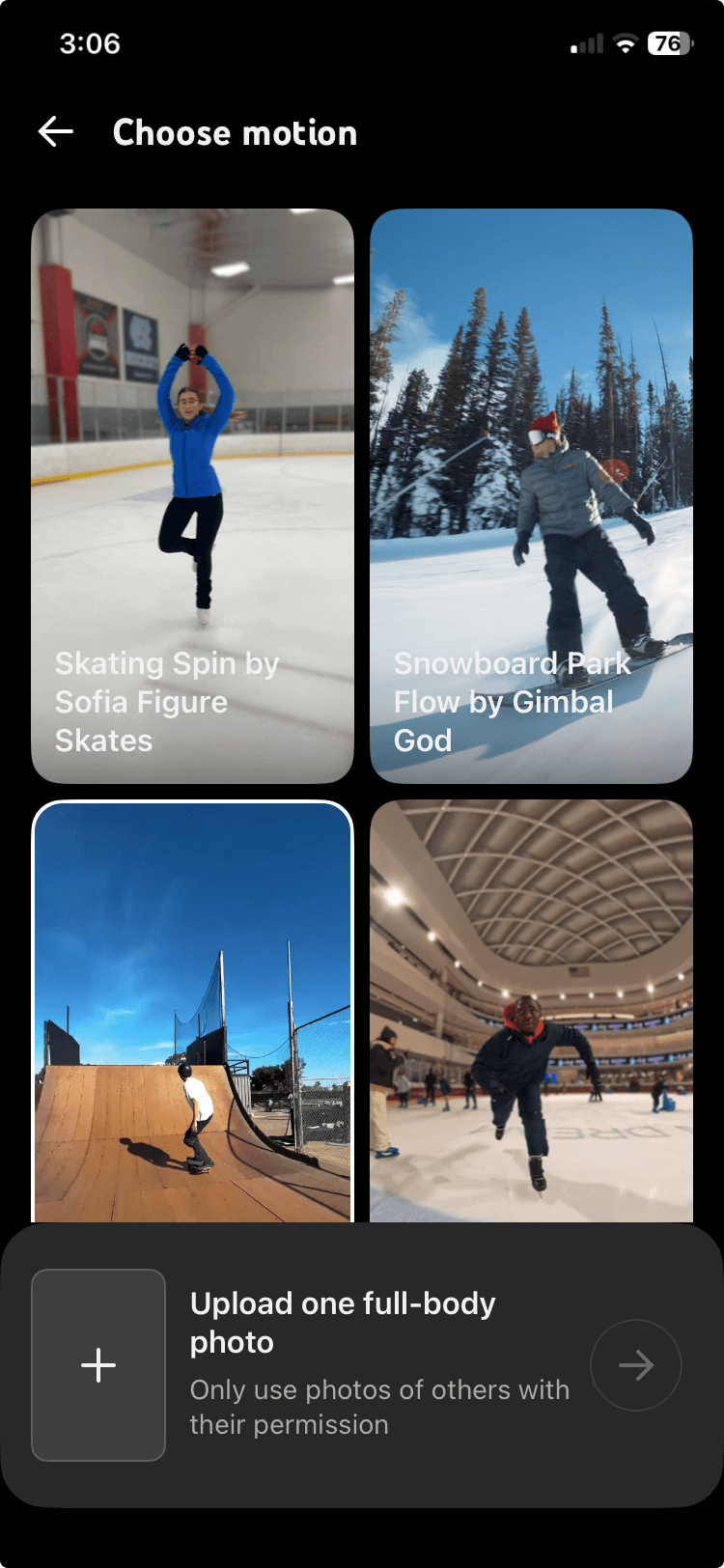
- Add Motion: A generative AI tool that converts a single static image into an eight-second animated YouTube Short.
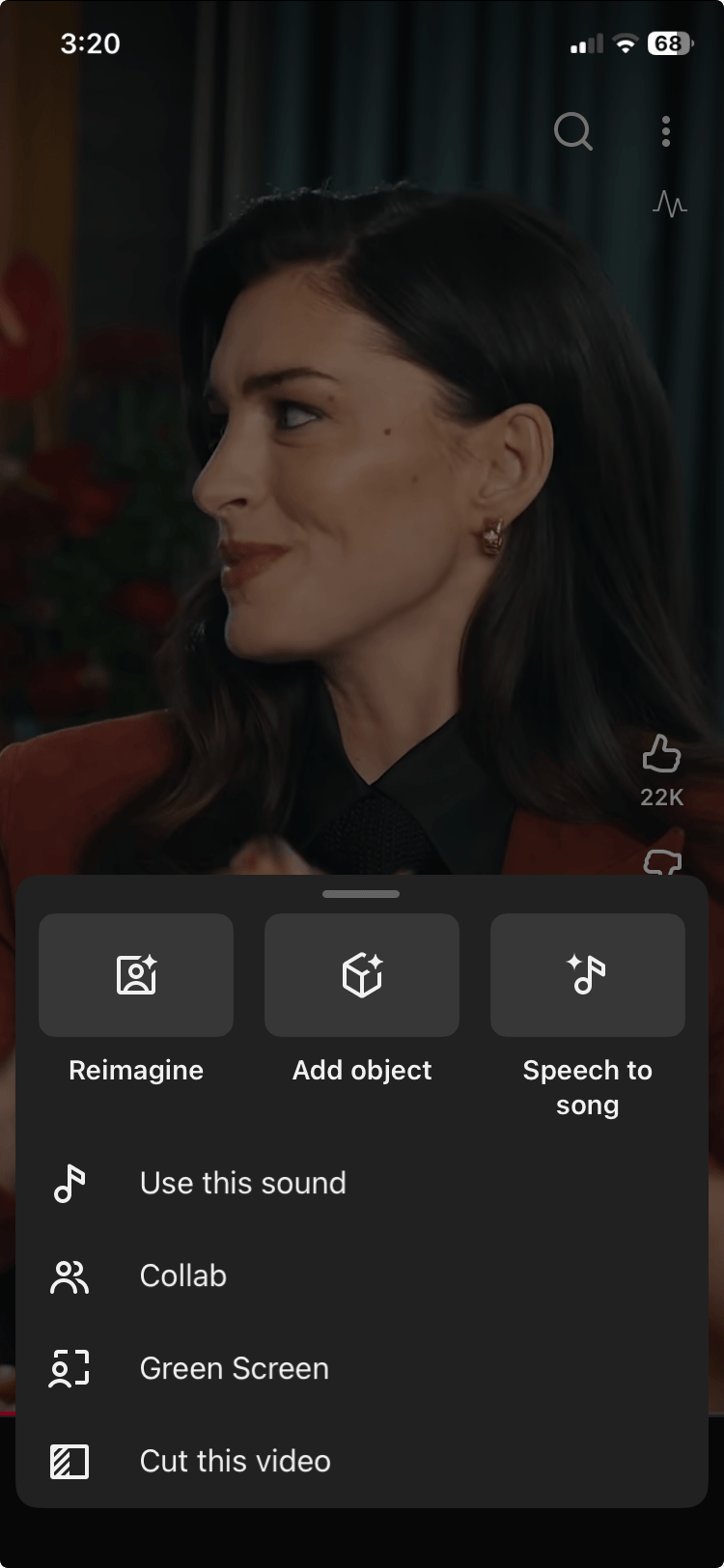
- Reimagine: A remixing tool that allows creators to lift a frame from an existing Short and use it as a visual foundation for new, transformative content.
- Voice Replies: A high-touch engagement feature allowing creators to respond to comments with 30-second audio clips, complete with automatic transcription.
- Gemini-Powered Creator Partnerships: An evolution of the "Brand Connect" platform that uses advanced AI to match brands with over 3 million potential creator partners based on deep audience analytics.
According to YouTube strategist Liron Segev, these tools are designed to reduce "production friction." For a small business owner who is often the CEO, cameraman, and social media manager all at once, these features allow for a level of consistency and professional polish that was previously reserved for those with dedicated creative teams.
Chronology: From Experimental AI to Organic Essentials
To understand the significance of these updates, one must look at the trajectory of YouTube’s development over the last 24 months. Initially, YouTube’s AI forays were largely focused on the backend—improving search algorithms and optimizing ad placements.
In early 2023, the platform began experimenting with basic "Remix" features, allowing creators to sample audio from other videos. This was a direct response to the "Duet" and "Stitch" features popularized by TikTok. However, by mid-2024, the focus shifted toward "generative assistance."
The transition from the legacy "Brand Connect" system to the new Gemini-powered Creator Partnerships platform represents the most significant chronological leap. It moved the process of influencer marketing from a manual, agency-heavy search to a data-driven, automated discovery model. This transition reflects a broader industry trend: the integration of Large Language Models (LLMs) into the very fabric of content management systems.
By late 2024 and into early 2025, these tools moved out of beta testing and into the hands of the general creator population. The rollout of "Voice Replies" marks the final stage of this current cycle, shifting AI’s role from "content creator" to "relationship builder."
Supporting Data: The Metrics of Participation
The efficacy of these tools is backed by significant performance indicators shared by YouTube. The platform’s data suggests that the "Creator Partnerships" platform is already changing how brands interact with the ecosystem:
- Visibility Gains: Creators who opt into sharing their channel analytics with potential brand partners within the platform see a 60% increase in visibility to marketers.
- Conversion Rates: These same creators experience a 200% (double) increase in brand inquiries compared to those who keep their data private.
- Scale of Access: The platform now indexes over 3 million channels, providing a level of granularity in "niche targeting" that manual searching could never achieve.
- The 8-Second Standard: The "Add Motion" tool’s focus on 8-second clips aligns with internal YouTube data suggesting that the first 5-10 seconds of a Short are the most critical for viewer retention.
Furthermore, the "Add Motion" tool features a "reverse-animation" capability. This means that if a creator posts a Short, any viewer can grab a single frame and animate it themselves. This creates a recursive loop of User-Generated Content (UGC) that keeps the original brand’s attribution intact, effectively turning every viewer into a potential secondary distributor.
Official Responses: Expert Insights and Strategic Frameworks
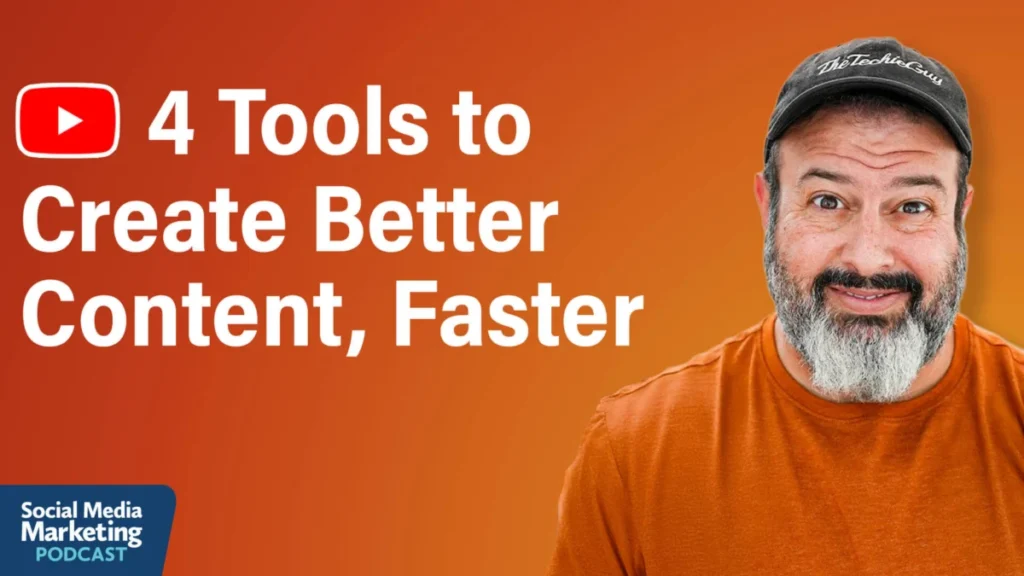
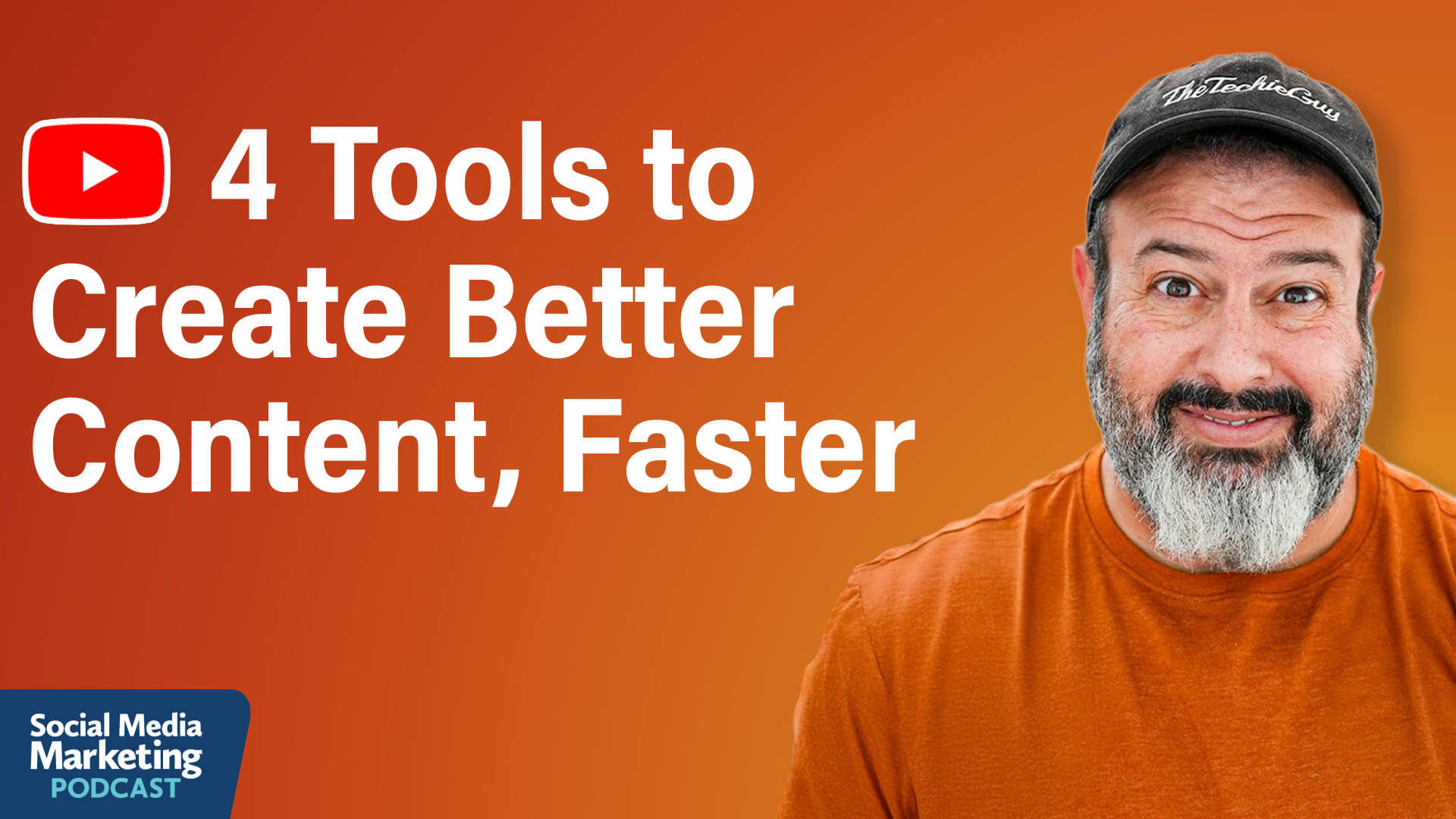
Liron Segev, speaking on the Social Media Marketing podcast with Michael Stelzner and Jerry Potter, emphasizes that while the "cost of execution" has plummeted, the "cost of thinking" remains high. Segev argues that the tools are only as effective as the strategy behind them.
On Generative Creation (Add Motion & Reimagine)
Segev warns against the "lazy remix." The "Reimagine" tool allows you to use someone else’s frame, but Segev insists on a "Value-Add" rule. "The pattern to avoid," Segev notes, "is taking someone else’s clip, dropping your face into the bottom corner as a green-screen cutout, and silently pointing. You haven’t added value, and that kind of remix erodes your brand’s reputation." Instead, he suggests using the tool to provide expert commentary or "fact-checking" a trending clip to establish authority.

On Human Connection (Voice Replies)
The implementation of Voice Replies has met with a mixed reception, providing a lesson in community psychology. Segev shares an anecdote of a channel that attempted to reply to every comment via voice. The community pushed back, finding the audio clips intrusive. The takeaway from industry experts is clear: use voice for "high-value" interactions where tone and warmth add something that text cannot.
On Partnerships (The Gemini Factor)
For businesses looking to use the new partnership platform, Segev recommends a rigorous four-step due diligence process that transcends what the AI provides:
- The Ten-Video Audit: Watch the creator’s last ten videos through the eyes of your customer.
- Sentiment Analysis: Read the comments to gauge if the audience is composed of "passionate fans" or "vocal critics."
- Integration Quality: Examine how the creator handles previous sponsorships. Is the product mention organic or jarring?
- Analytics Verification: Leverage the platform’s data-sharing features to look at actual performance, not just vanity metrics like subscriber counts.
Implications: The Future of the "Faceless Brand" and Content Longevity
The introduction of these tools carries profound implications for the future of digital marketing.

1. The Rise of the "No-Video" Video Strategy
The "Add Motion" tool effectively lowers the floor for entry. Small businesses—such as bakeries, construction firms, or consultants—who have high-quality photography but lack the budget for video production can now maintain a presence on YouTube Shorts. This democratizes the platform, allowing "faceless" brands to compete for attention alongside high-production influencers.
2. Relationship-Based Marketing vs. Transactional Ads
The move toward Voice Replies and personalized creator partnerships suggests that YouTube is moving away from purely transactional advertising. By encouraging brands to engage in "3 to 5 appearances" with a creator rather than a one-off sponsorship, the platform is pushing for "credibility over awareness." The implication is that in an AI-saturated world, the "human touch"—even when facilitated by AI—is the ultimate differentiator.
3. The Attribution Economy
With "Reimagine" and "Add Motion" allowing for derivative works, the concept of "original content" is evolving. We are entering an era of the "Attribution Economy," where the goal of a brand is not just to have their video watched, but to have their video remixed. Because the AI tools maintain links back to the original source, the most successful brands will be those that create "remixable" assets.

4. The End of the Agency Middleman?
The Gemini-powered partnership platform poses a direct challenge to traditional influencer marketing agencies. By providing brands with direct, data-backed access to creators, YouTube is removing the "friction of uncertainty." While high-level strategy will still require human experts, the "discovery" phase of influencer marketing is now a commodity provided by Google’s algorithms.
Conclusion
YouTube’s new AI suite represents a sophisticated "middle path" in the AI revolution. It does not replace the creator, but it removes the technical drudgery that often leads to burnout and inconsistency. For the small business owner, the message is clear: the tools to compete with the "big players" are now available and integrated into the mobile app. However, as the technical barriers fall, the strategic ones rise. Success on the "new" YouTube will be defined not by who has the best camera, but by who has the most authentic voice and the most "remixable" ideas.