Elevating Patient Engagement: The Definitive Guide to Video Editing Tools for Healthcare Marketing in 2025
In the rapidly evolving digital landscape of 2025, video marketing has transcended its role as a mere promotional tactic to become a cornerstone of patient engagement and healthcare communication. For hospitals, private practices, and medical technology firms, the ability to distill complex clinical information into digestible, human-centric visual narratives is no longer optional—it is a competitive necessity. As healthcare providers look to foster trust and improve health literacy, the selection of robust, compliant, and efficient video editing software has become a strategic priority.
The Strategic Imperative: Why Healthcare Needs High-Quality Video
The shift toward video-first communication in the healthcare sector is driven by a fundamental need for clarity. Patients are increasingly seeking information online before stepping into a clinical setting, and video serves as the most effective medium to bridge the gap between abstract medical terminology and tangible patient understanding.
However, healthcare marketers operate under a unique set of constraints. Beyond the standard demands of high production value, they must navigate the complexities of HIPAA compliance, ensure that sensitive information is presented with professional empathy, and maintain an unwavering level of institutional credibility. The right editing suite acts as a force multiplier, allowing teams to produce content that is not only visually compelling but also ethically sound and medically accurate.
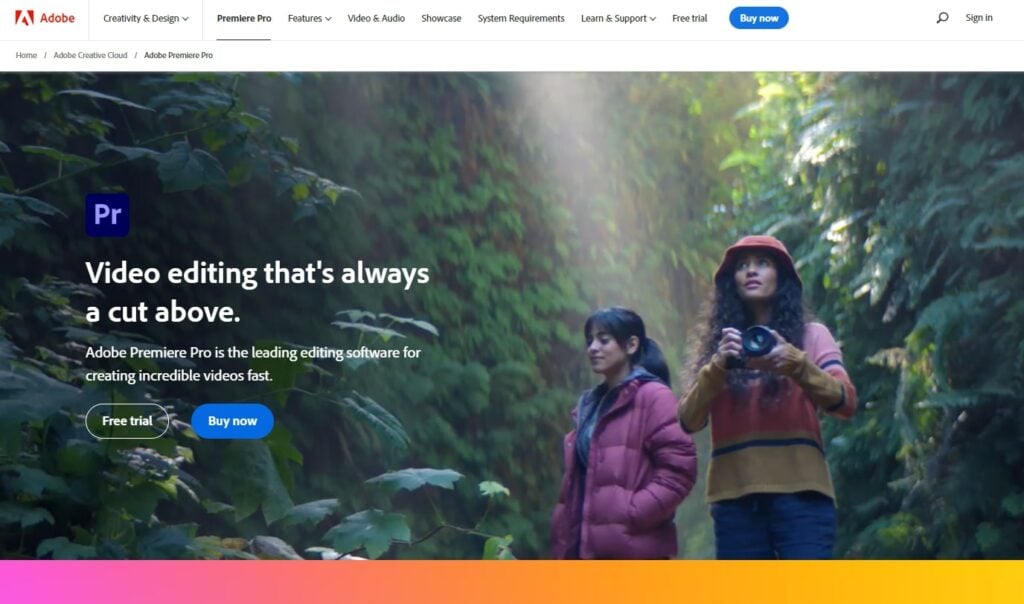
1. Adobe Premiere Pro: The Industry Gold Standard
For organizations requiring cinematic-quality production, Adobe Premiere Pro remains the unrivaled leader. It is the powerhouse of choice for large-scale healthcare networks producing high-fidelity patient testimonials, medical procedure documentaries, and physician thought-leadership series.

Key Features and Capabilities
Premiere Pro’s strength lies in its non-linear editing (NLE) environment, which supports complex multi-camera setups, advanced audio mixing, and seamless integration with the Adobe Creative Cloud suite (including After Effects for medical motion graphics).
- Pros: Unmatched professional-grade toolset; extensive plugin support; industry-standard workflow; deep color-grading capabilities.
- Cons: Steep learning curve for non-editors; requires a powerful workstation; subscription-based pricing.
- Best For: In-house marketing teams at large hospitals and medical institutions that require professional, broadcast-quality output.
Strategic Implication: By utilizing Premiere Pro, healthcare organizations can ensure that their brand identity is consistent and sophisticated, elevating the public’s perception of their clinical expertise.
2. Animaker: Democratizing Medical Animation
Not all healthcare communication requires live-action footage. In fact, many clinical concepts—such as the mechanics of a new procedure or the explanation of a chronic condition—are best served by animation. Animaker has emerged as the premier AI-powered solution for this niche.
Key Features and Capabilities
Animaker simplifies the creation of explainer videos through a drag-and-drop interface, pre-built character sets, and an extensive library of medical-themed assets.
- Pros: Intuitive interface; reduces the need for expensive motion-graphics agencies; highly effective for patient education explainers.
- Cons: Can sometimes feel limited compared to custom animation software; requires a stable internet connection for cloud-based rendering.
- Best For: Public health campaigns, patient onboarding materials, and educational explainers that need to be produced quickly and affordably.
Strategic Implication: Animaker empowers clinical staff to communicate complex information visually, reducing the burden on doctors to explain intricate processes during short patient consultations.
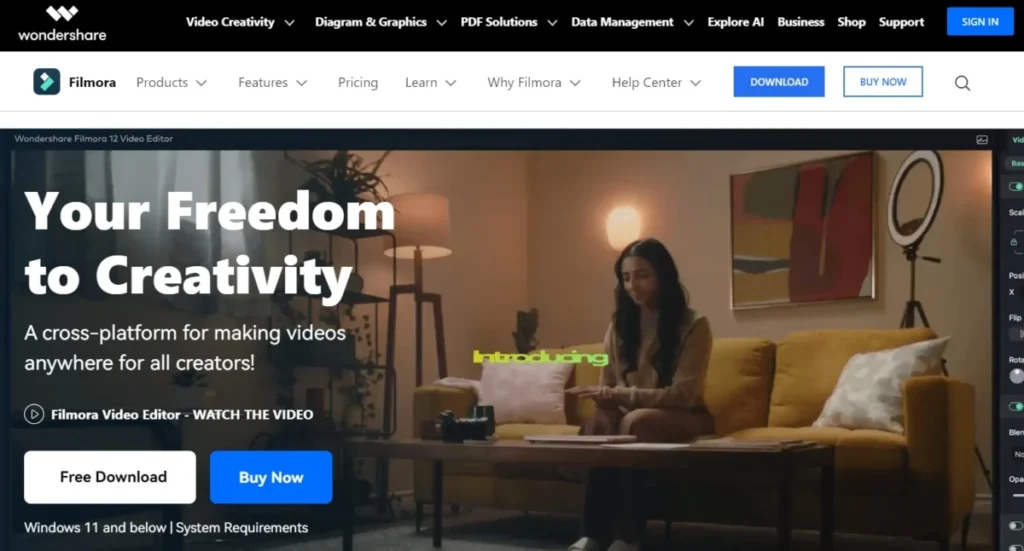
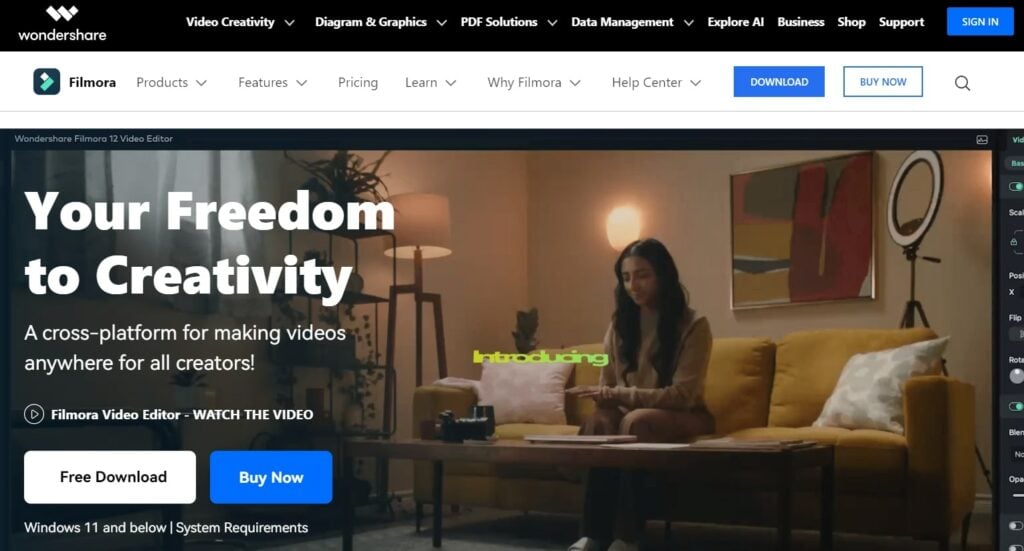
3. Filmora: Balancing Efficiency and Creativity
For mid-sized clinics or individual practices that need to produce content frequently without the overhead of a dedicated post-production team, Filmora offers an ideal balance of power and simplicity.
Key Features and Capabilities
Filmora features a clean, user-friendly interface that allows for rapid turnaround times. Its "Instant Mode" and AI-assisted editing tools help users create polished, social-media-ready content without needing to master traditional, complex editing timelines.
- Pros: Extremely fast learning curve; high volume of royalty-free stock assets; excellent for short-form content (YouTube Shorts/Reels).
- Cons: Less granular control than Premiere Pro; limited audio mixing depth.
- Best For: Practices focusing on social media engagement, facility tours, and quick, relatable healthcare tips.
4. iMovie: The Accessible Entry Point for Mac Ecosystems
Simplicity is a virtue, especially for healthcare professionals who prioritize speed and accessibility over complex visual effects. For those already integrated into the Apple ecosystem, iMovie remains the quintessential tool for quick, reliable edits.

Key Features and Capabilities
iMovie provides a streamlined workflow that allows for easy trimming, title integration, and basic color balancing. It is optimized for the hardware it runs on, ensuring smooth playback even on laptops that aren’t top-tier professional workstations.
- Pros: Completely free for Apple users; no learning curve; stable and reliable.
- Cons: Limited features for advanced video production; lacks multi-track versatility; exclusive to Apple devices.
- Best For: Solo practitioners and small clinics creating straightforward, authentic updates for their patients.
5. DaVinci Resolve: The Powerhouse for Color and Correction
DaVinci Resolve has gained a massive following because it offers professional-grade features—specifically in color correction and visual effects—at a price point that is accessible to almost any organization.
Key Features and Capabilities
Originally a tool for Hollywood colorists, Resolve has evolved into a complete NLE. For healthcare marketers, the color grading tools are essential for ensuring that surgical footage or clinical environments look clean, bright, and professional.
- Pros: Industry-leading color grading; robust "Fairlight" audio post-production; free version is incredibly powerful.
- Cons: Highly demanding on computer hardware; very steep learning curve.
- Best For: Marketing teams that want cinematic, high-budget looks for hospital branding campaigns or documentaries.
Comparative Chronology and Workflow Integration
The integration of these tools into a healthcare marketing workflow typically follows a structured timeline:
- Planning & Compliance (Weeks 1-2): Identifying the medical message and ensuring HIPAA adherence (ensuring no PHI is present in the footage).
- Production (Week 3): Capturing the footage, whether it’s a doctor interview or a facility tour.
- Editing & Post-Production (Weeks 4-5): Selecting the appropriate tool based on the project requirements. Example: Using Animaker for a complex surgery animation, then importing those clips into Premiere Pro for final assembly.
- Review & Approval (Week 6): Clinical review to ensure the accuracy of the information provided in the video.
- Deployment (Week 7): Publishing to YouTube and optimizing for SEO.
Data-Driven Implications for 2025
Recent market studies suggest that healthcare organizations utilizing high-quality video content see a 30% increase in patient retention and a significant improvement in appointment conversion rates. Furthermore, video content is indexed more effectively by search engines, meaning that a well-edited, properly tagged YouTube video is more likely to appear in the "featured snippet" section of search results, providing direct educational value to prospective patients.
Professional Perspective
Industry experts emphasize that the "best" tool is the one that allows a medical organization to be authentic. "In healthcare, the audience is looking for transparency," says one digital strategy consultant. "If the editing is too distracting or the video feels overly ‘corporate,’ you lose the human element. The goal of these tools is to enhance the message, not to overshadow the expertise of the medical provider."
Conclusion: Selecting Your Strategic Partner
As we move further into 2025, the choice of video editing software is a reflection of an organization’s commitment to patient communication.
- Choose Adobe Premiere Pro if your goal is building a long-term, high-end brand identity.
- Choose Animaker if your primary challenge is explaining complex, abstract medical processes.
- Choose Filmora or iMovie if your strategy is focused on high-frequency, authentic, and rapid-response social media content.
- Choose DaVinci Resolve if you want to push the boundaries of visual quality for major institutional campaigns.
Ultimately, by leveraging these tools, healthcare marketers can bridge the divide between technology and humanity, ensuring that patients receive not only the best care but the best information, delivered with the clarity and compassion they deserve.