The Digital Imperative: How AudioEye is Redefining Web Accessibility in the AI Era
In an era where the internet serves as the primary gateway to commerce, healthcare, and civic engagement, the "digital divide" is no longer just a metaphor—it is a tangible barrier for the 1.3 billion people worldwide living with disabilities. As legal landscapes shift and the global economy becomes increasingly interconnected, digital accessibility has evolved from a niche technical concern into a critical business imperative.
At the forefront of this movement is AudioEye, a platform that has spent nearly two decades bridging the gap between inaccessible web architecture and inclusive user experiences. Through a unique synthesis of AI-driven automation and human-centric expertise, AudioEye is transforming how over 127,000 organizations approach the digital rights of their users.
The Mission: Accessibility as the Default
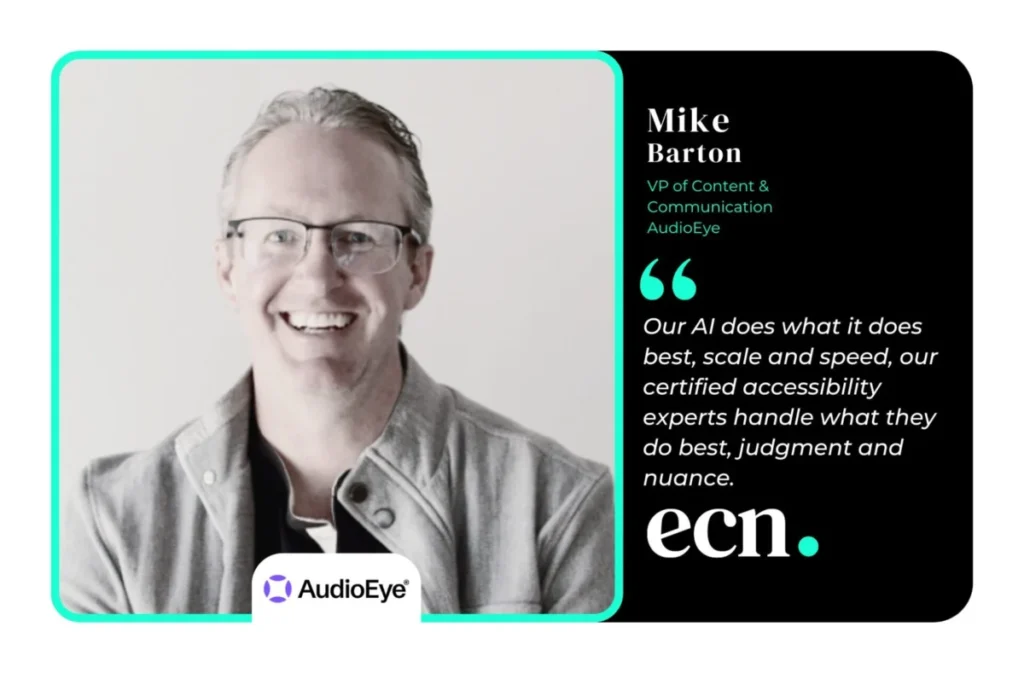
"Our vision is a digital world where accessibility isn’t an afterthought or a legal scramble, but the default," says Mike Barton, VP at AudioEye. "We’ve combined AI automation with human expertise to find and fix accessibility issues on the sites and apps people use every day."
AudioEye’s core mission is to provide the most robust, cost-effective accessibility protection in the industry. By maintaining a dual focus on rapid detection and expert-led remediation, the company seeks to ensure that the internet remains an open ecosystem for all, regardless of physical or cognitive ability.
Chronology: From Niche Concern to Global Requirement
The evolution of digital accessibility mirrors the rapid growth of the internet itself. In the early days of AudioEye, accessibility was largely ignored or treated as a perfunctory "checkbox" exercise. Today, the stakes have fundamentally shifted.
A Changing Landscape
- The Litigation Surge: In the last five years alone, U.S. accessibility-related lawsuits have doubled. Retailers, in particular, face significant scrutiny, with 78% of these legal actions targeting e-commerce platforms.
- Global Regulation: The implementation of the European Accessibility Act (EAA) in 2025 has expanded the regulatory footprint beyond U.S. borders, forcing global companies to rethink their digital compliance strategies.
- The AI Disruption: While AI has enabled the creation of websites at unprecedented speeds, it has also inadvertently generated a backlog of inaccessible code. AudioEye positions itself as the essential counterbalance, ensuring that the "new" web is built on a foundation of inclusivity rather than speed alone.
Supporting Data: The Business Case for Inclusion
Beyond the legal necessity, there is a compelling economic argument for accessibility. People with disabilities represent a massive $18 trillion in global spending power. Yet, many businesses leave this demographic behind due to poorly optimized digital interfaces.
The Conversion Lever
Data indicates that seven out of ten users with disabilities will immediately leave a website if it does not accommodate their needs. Furthermore, 83% of this demographic limit their shopping to platforms they already know are accessible. For e-commerce brands, investing in accessibility is not just a moral obligation; it is a direct driver of lower bounce rates, higher conversion, and increased customer loyalty.
Official Response: The Hybrid Approach
A central pillar of AudioEye’s strategy is its "hybrid approach"—a combination of high-speed automation and rigorous human validation.
Why Automation Alone Fails
"Automation handles the volume," explains Barton. "AI can detect and fix things like missing alt text, broken form labels, and heading structure issues across thousands of pages in real time." However, AudioEye contends that software cannot capture the nuances of human intent. Complex accessibility barriers—such as the logic behind a dynamic carousel or the intent of a specific navigation flow—require human judgment.
The Human-in-the-Loop Advantage
AudioEye’s platform employs certified specialists, including individuals with disabilities, to perform audits that AI cannot complete. This methodology ensures that roughly 97% of issues are resolved before a company’s internal development team even needs to intervene. This efficiency is why the company claims a legal protection rate significantly higher than both standalone consulting firms and pure-play automation widgets.
The Technical Framework: How It Works
Integration is designed to be seamless. AudioEye deploys via a single line of JavaScript, similar to how a company might implement a cookie consent banner. This allows for:
- Real-time Monitoring: Continuous scanning of user sessions.
- Automated Remediation: Immediate fixes for common WCAG (Web Content Accessibility Guidelines) failures.
- Expert Oversight: Custom code fixes deployed directly through the platform, sparing developers from time-consuming manual updates.
Implications for the Future of the Web
As we look toward the future, the intersection of AI and accessibility is becoming the new frontier.
The "Discovery" Problem
One of the most profound implications mentioned by AudioEye is the role of AI agents in web navigation. Increasingly, AI search assistants and autonomous bots read a website’s "accessibility tree" to understand its content. If a site is not accessible, it is essentially invisible to these next-generation discovery tools.
"Accessibility and AI discovery are going to be the same conversation in a few years," says Barton. "If your site isn’t accessible, you’re invisible to one of the fastest-growing discovery channels online."
A Global Mandate
The future of the web is increasingly global and regulated. As the EAA and other international standards continue to gain momentum, companies that rely on outdated, fragmented approaches to accessibility will find themselves at a distinct disadvantage.
AudioEye’s trajectory suggests that the companies winning in the next decade will be those that view accessibility not as a risk to be managed, but as a "growth engine." By ensuring that every user—regardless of ability—can navigate a brand’s digital presence, companies are effectively future-proofing their operations against both legal action and technological shifts.
Conclusion: An Inclusive Digital Horizon
The path forward for the internet is clear: it must become more accessible, more automated, and more human-centric. AudioEye’s role in this transition is to provide the infrastructure that makes this possible. By simplifying the path to compliance and championing the needs of the 1.3 billion people who currently navigate a hostile digital environment, the company is doing more than just fixing websites—it is actively shaping a more equitable future.
For business leaders, the message from AudioEye is unequivocal: the time to address digital accessibility is now. Whether driven by the $18 trillion market opportunity, the necessity of legal compliance, or the looming requirements of the AI-driven web, the transition to an accessible digital presence is the only path that leads to sustainable growth. As Barton concludes, "The internet should work for everyone who uses it. Our job is to make sure it does."