The Digital Iron Curtain: Dutch Authorities Dismantle Infrastructure Linked to Russian Hybrid Warfare

In a high-stakes operation that underscores the growing intersection of cyber warfare and international sanctions law, Dutch financial crime investigators have executed a series of raids against two prominent internet hosting firms. The operation, led by the Tax Intelligence and Investigation Service (FIOD), resulted in the arrest of two individuals—a 57-year-old Amsterdam resident and a 39-year-old from The Hague—accused of facilitating infrastructure used by Russian intelligence agencies for cyberattacks, disinformation campaigns, and state-sponsored digital espionage within the European Union.
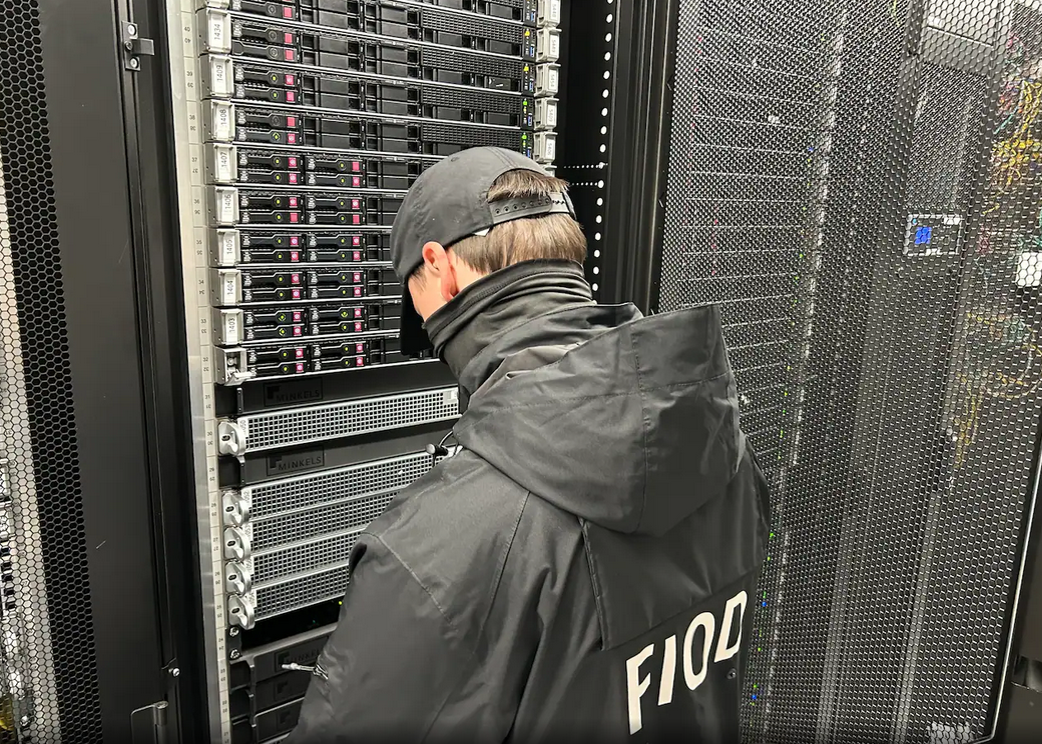
The raids, which took place on May 18, saw the seizure of critical hardware, including more than 800 servers, as well as laptops and mobile devices. These arrests mark a significant escalation in the European Union’s efforts to hold private service providers accountable for their role in enabling "hybrid warfare"—a term describing the blurring lines between conventional conflict and malicious cyber activity.
The Nexus of Cyber Conflict: Stark Industries and the Shell Game
The investigation centers on the technical infrastructure of "Stark Industries Solutions," a sprawling hosting provider that emerged with suspicious timing—just two weeks before the full-scale Russian invasion of Ukraine in 2022. Since its inception, Stark Industries has functioned as a "bulletproof" host, a term used in the cybersecurity industry for providers that ignore abuse reports and deliberately shield malicious actors from law enforcement and service termination.
Stark Industries became notorious for providing the backbone for massive distributed denial-of-service (DDoS) attacks against European government institutions and financial sectors. Beyond raw disruption, it served as a primary supplier of proxy and anonymity services, essential tools for Russia-backed Advanced Persistent Threat (APT) groups attempting to infiltrate western networks while masking their origins.
The downfall of Stark’s operation began with the discovery of its reliance on third-party conduits. Investigative reporting by KrebsOnSecurity in 2024 first exposed that Stark’s connectivity was funneled through PQHosting, a firm operated by Moldovan brothers Ivan and Yuri Neculiti. When the European Union sanctioned PQHosting in May 2025 for their role in facilitating Russian hybrid warfare, the operation did not collapse; it simply migrated.
Chronology of an Evasion
The pattern of behavior exhibited by these entities suggests a sophisticated, pre-planned strategy to evade international sanctions.
- May 2024: KrebsOnSecurity publishes a deep-dive analysis identifying Stark Industries Solutions as a critical staging ground for Russian cyber operations.
- May 2025 (Early): Media reports leak that the European Union is preparing to sanction PQHosting and the Neculiti brothers.
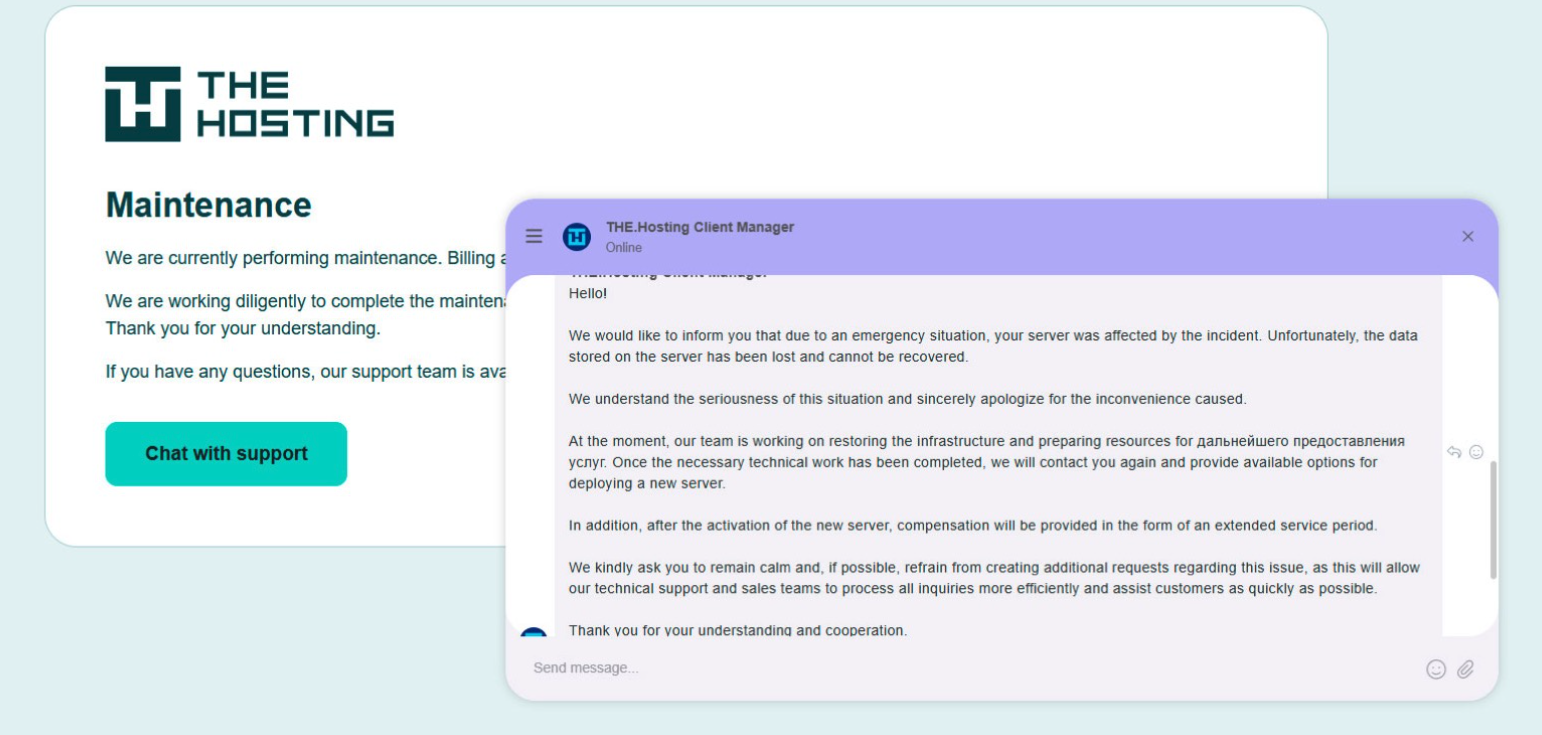
- May 2025 (Mid): Within days of the leak, Stark network assets are rapidly transferred from PQHosting to a new, obfuscated entity known as "the[.]hosting." This entity operated under the umbrella of a Dutch firm, WorkTitans BV.
- September 2025: Further investigations reveal that WorkTitans was controlled by Andrey Nesterenko and Youssef Zinad. It was discovered that WorkTitans relied exclusively on MIRhosting—a Dutch-based ISP operated by Nesterenko—for its internet connectivity.
- November 2025: During the week of Denmark’s municipal elections, data analyzed by de Volkskrant indicates that the WorkTitans and MIRhosting networks were the most frequently used staging grounds for state-backed cyberattacks targeting Danish government bodies.
- May 18, 2026: FIOD investigators conduct raids in Enschede and Almere, as well as two data centers in Dronten and Schiphol-Rijk, resulting in the arrests of Nesterenko and Zinad and the seizure of the infrastructure.
Supporting Data: The Digital Fingerprints
The evidence against the suspects is not merely circumstantial. Investigators and investigative journalists have traced a clear line between the technical infrastructure managed by the arrested individuals and active cyber warfare operations.
During the critical window of the Danish municipal elections in November 2025, security researchers observed a significant surge in malicious traffic originating from IP addresses controlled by WorkTitans and MIRhosting. The de Volkskrant investigation confirmed that these networks provided the technical "casing" for disruptive DDoS attacks designed to shake public confidence in democratic processes.
The technical complexity of these firms served a dual purpose: they provided legitimate hosting services to unsuspecting customers while simultaneously leasing server space to actors tied to Russian intelligence. By blending malicious traffic with legitimate business traffic, the operators hoped to make it difficult for law enforcement to pull the plug without causing "collateral damage" to innocent parties. However, this strategy ultimately backfired as the volume of abuse reports against the infrastructure reached a threshold that authorities could no longer ignore.
Official Responses and Denials
The responses from the suspects reflect a desperate attempt to differentiate between "legitimate business operations" and "sanctions evasion."
Andrey Nesterenko, a Russian native and former piano prodigy, has maintained his innocence throughout the proceedings. In a statement issued following the raids, he argued that the transition to "the[.]hosting" was a standard business consolidation rather than a calculated move to bypass EU sanctions. "The hardware and customer portfolio had already been transferred to WorkTitans before the sanctions appeared," Nesterenko claimed, adding that the "closing or damaging [of] a legitimate Dutch infrastructure company will not stop cybercrime."
MIRhosting also issued a formal statement on LinkedIn, claiming that an internal investigation found no evidence of their servers being used to influence the Danish elections. They further argued that they had received no prior abuse reports or official requests for information regarding the alleged activities.
In stark contrast, Youssef Zinad has remained almost entirely silent. Since the initial investigations began, Zinad—who was previously identified by KrebsOnSecurity as a member of MIRhosting’s legal team—has systematically scrubbed his digital presence. He deleted his LinkedIn profile, ceased all communication with business associates, and reportedly adopted a reclusive lifestyle. When authorities finally located him at a residence in Amsterdam, his behavior—including leaving a home in Almere in a state of abandonment—suggested a man attempting to evade scrutiny.
The Broader Implications for Global Cybersecurity
The arrest of Nesterenko and Zinad signals a shift in how the European Union addresses the "privateers" of the digital age. For years, hosting companies operating in the West have hidden behind terms of service and jurisdictional ambiguity to avoid responsibility for the content and activity hosted on their servers.
The success of the FIOD operation demonstrates that international cooperation, combined with rigorous open-source intelligence gathering, can effectively penetrate the layers of shell companies used to hide cyber-aggression. By targeting the infrastructure providers themselves, rather than just the anonymous hackers behind the keyboard, authorities have found a more effective way to degrade the capabilities of state-sponsored threat actors.
However, the case also highlights a grim reality: the speed at which malicious actors can pivot. The ease with which Stark Industries moved its entire operation from a Moldovan provider to a Dutch one, and then to a new entity, underscores the agility of these networks. As long as there are providers willing to trade security for profit, the digital landscape will remain a contested territory.
For the international intelligence community, the seizure of over 800 servers is a goldmine. The data recovered from these machines is expected to provide unprecedented insight into the command-and-control structures of Russian intelligence-linked groups. It may reveal the specific targets of future campaigns, the methods used to launder money through hosting services, and the identities of other "silent partners" who have yet to be brought to justice.
Ultimately, the downfall of MIRhosting and WorkTitans serves as a warning to the hosting industry: the days of claiming ignorance while profiting from the digital armaments of rogue states are coming to an end. The digital "Iron Curtain" is being dismantled, one server at a time.