The EarFun Wave Pro X: A Premium Feature Set Hampered by Sonic Shortcomings
In the fiercely competitive landscape of personal audio, EarFun has carved out a reputation for delivering high-end specifications at mid-range price points. Their latest flagship, the EarFun Wave Pro X, continues this tradition of feature-heavy engineering. Priced at $130, these over-ear headphones promise a sophisticated blend of cutting-edge hardware, including a dual-driver architecture and a massive suite of connectivity standards. However, as our comprehensive evaluation reveals, a stellar spec sheet does not always guarantee a high-fidelity listening experience.
Main Facts: At a Glance
The Wave Pro X enters the market as a direct successor to the original Wave Pro, retaining the brand’s signature focus on versatility. Key specifications include:
- Dual-Driver Architecture: A 40mm dynamic driver handles low-frequency reproduction, while a dedicated 10mm LCP (Liquid Crystal Polymer) dynamic driver manages the high-frequency range.
- Connectivity Suite: The headphones support an exhaustive list of codecs, including aptX Lossless, aptX Adaptive, aptX HD, LDAC, LC3, AAC, and SBC. Furthermore, they feature Bluetooth LE Audio, Auracast, and multi-point pairing.
- Wired Versatility: Users can interface via 3.5mm analog input or USB-C digital audio, with an integrated DAC capable of handling 16-bit/48kHz signals.
- Microphone Array: A robust eight-microphone system facilitates both active noise cancellation (ANC) and voice pickup for calls.
- Build and Comfort: A modern, minimalist aesthetic featuring memory foam ear cups, adjustable yokes, and a foldable design.
Chronology of Development and Design
EarFun’s design philosophy has always been rooted in providing "everything for everyone." Following the release of the original Wave Pro, the company analyzed consumer feedback regarding build quality and comfort. The resulting Wave Pro X is a testament to this iterative process.
The Build
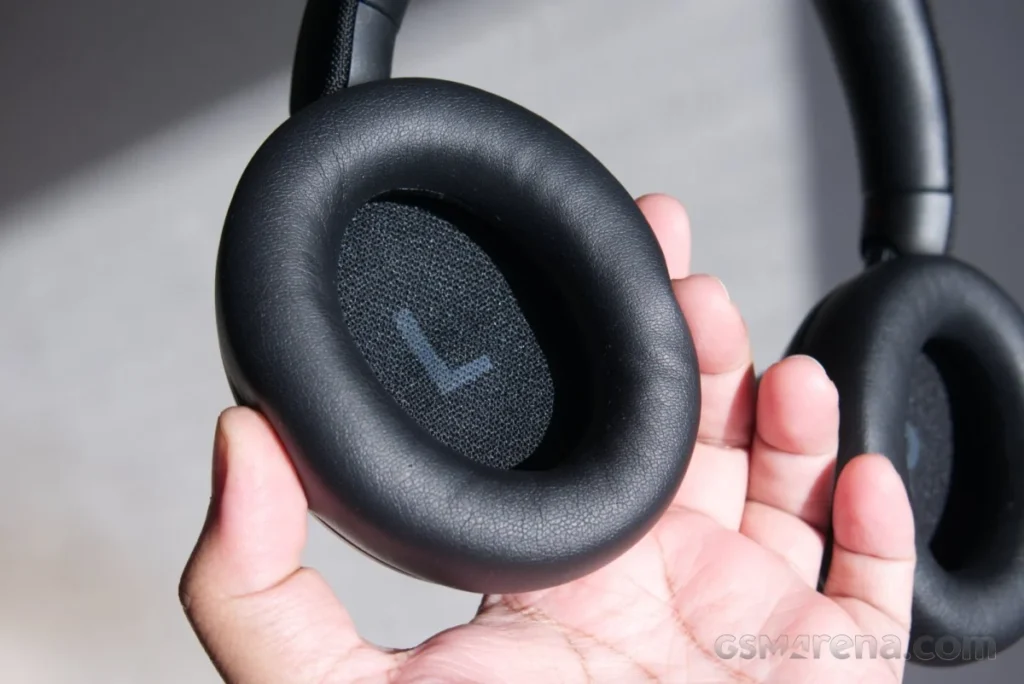
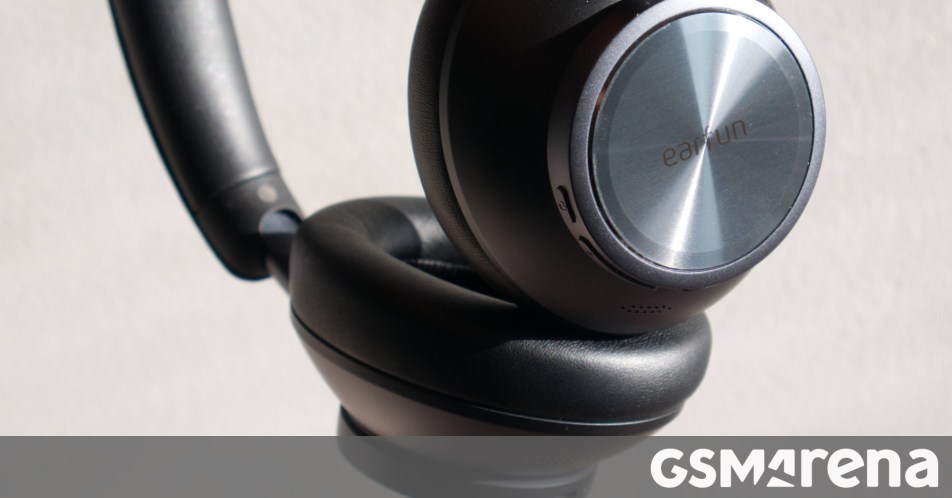
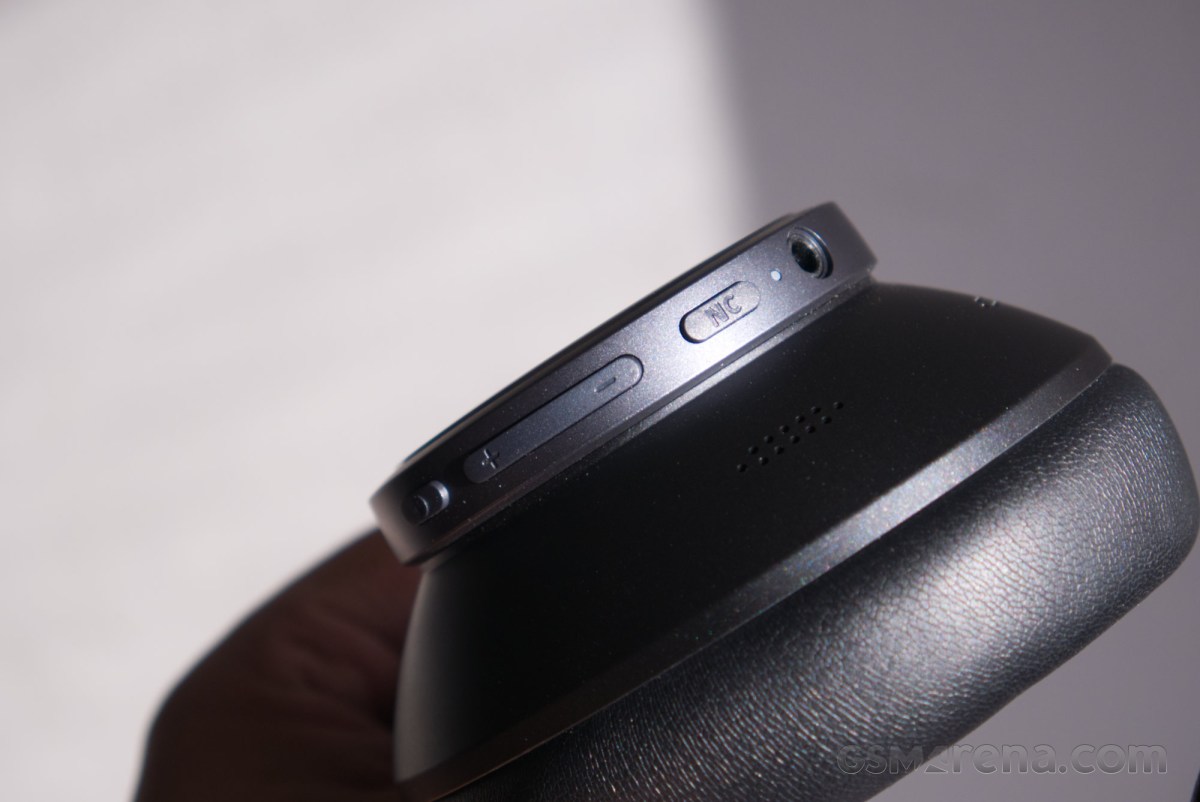
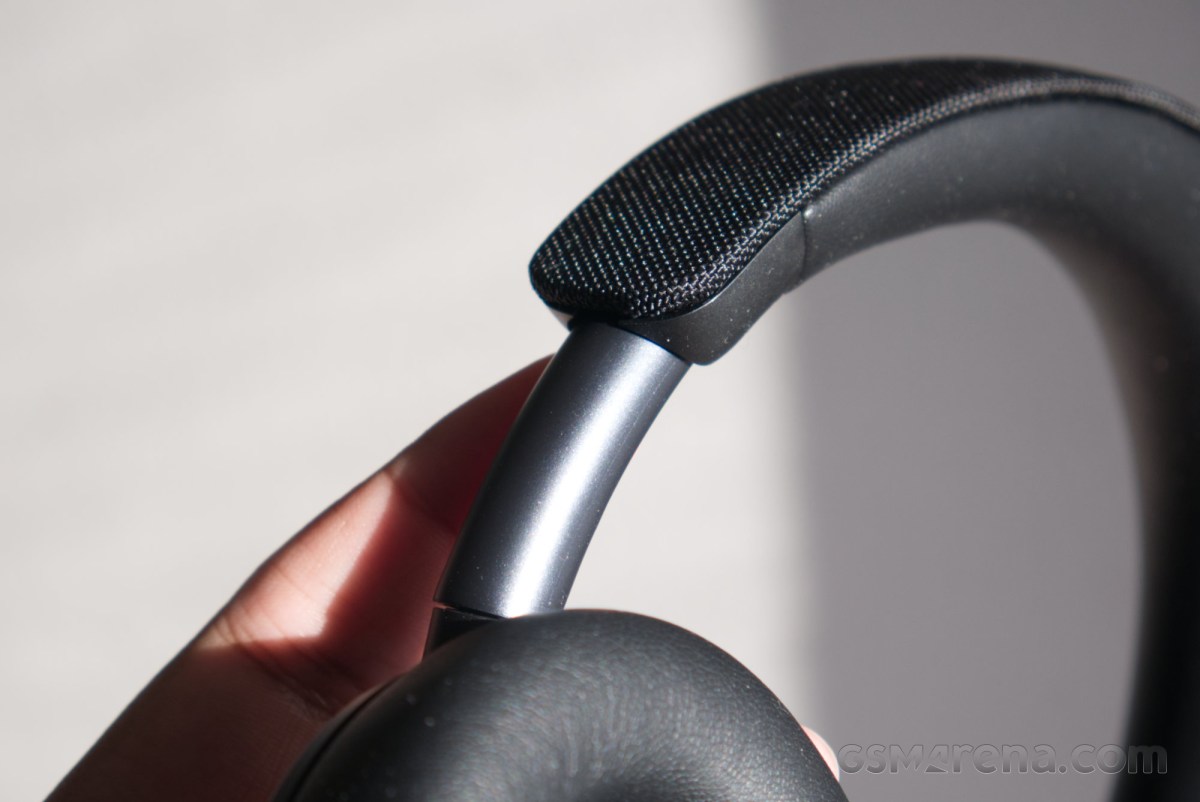
Upon unboxing, the premium nature of the device is immediately apparent. The headphones eschew the cheap plastic feel of many competitors, opting for a matte finish accented by spun-metal textures on the exterior earcups. The adjustment mechanism is smooth and tactile, providing a reassuring sense of durability.
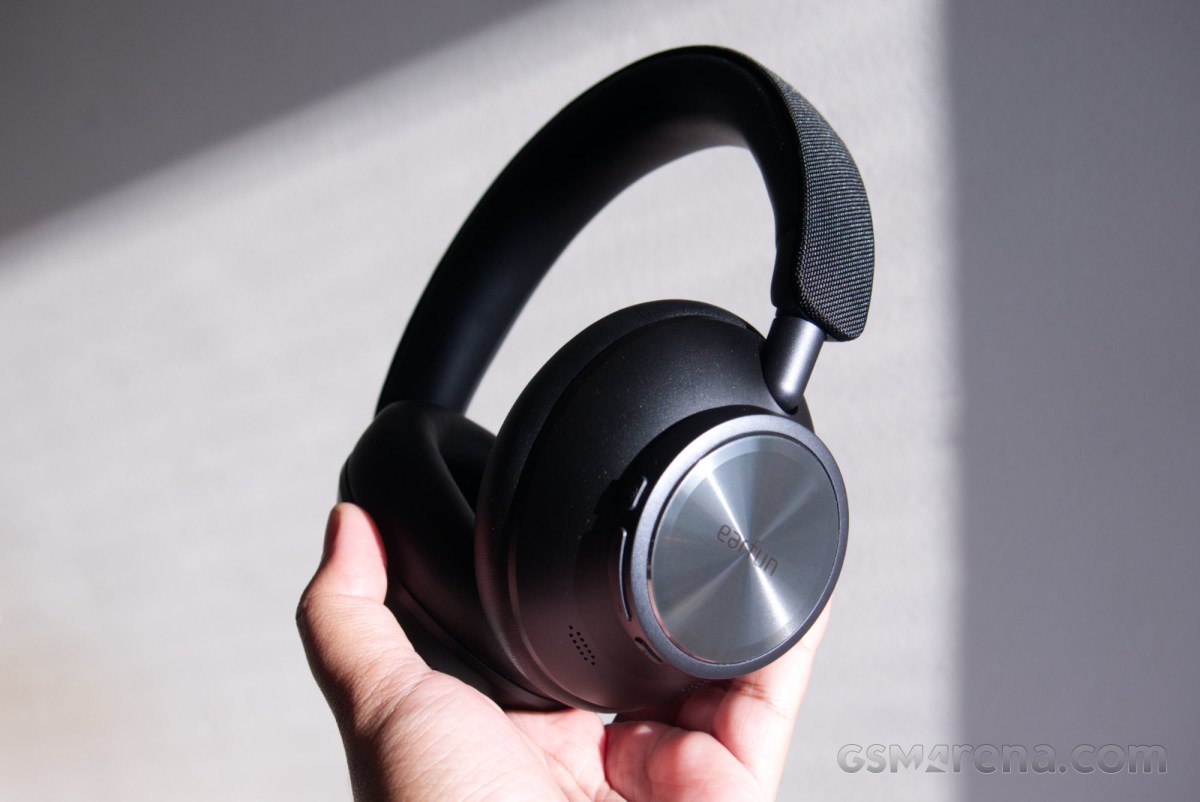
The earcups are ergonomically angled, and the headband incorporates a fabric-like exterior with plush internal padding. While the device is not weather-sealed—a notable omission for users seeking a gym companion—the construction is remarkably sturdy.
Comfort Analysis
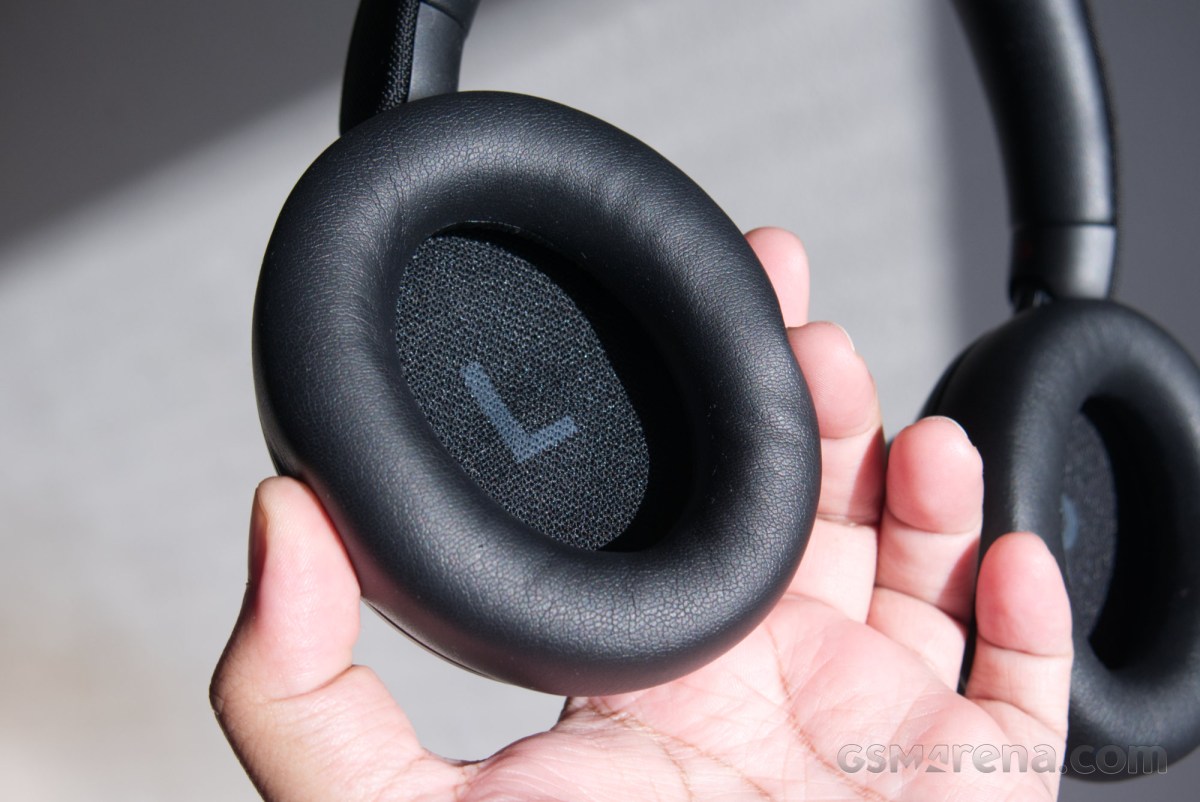
During extended testing, the Wave Pro X proved to be exceptionally comfortable. The depth of the ear pads prevents the speaker grilles from exerting pressure on the pinna, a common pitfall in lower-tier headphones. While the closed-back nature of the device can lead to thermal buildup during summer months, this is a trade-off inherent to the passive isolation required for effective ANC.
Supporting Data: Software and Feature Implementation
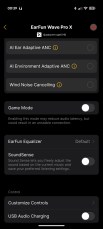
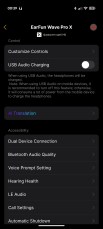
The EarFun Audio app acts as the command center for the Wave Pro X. Available on Android and iOS, the interface is remarkably clean and intuitive. It offers deep customization, allowing users to toggle ANC modes, adjust the equalizer, and even configure button functionality.
The "Account-Locked" Controversy
One point of friction in the user experience is the gating of specific features behind a mandatory user account. While core functions are accessible immediately, advanced tools such as the "Professional EQ" and the AI-driven real-time translation feature require registration. For many audiophiles and privacy-conscious users, this barrier to entry is an unnecessary inconvenience in a product that should function fully out of the box.
Connectivity Performance
The inclusion of Bluetooth LE Audio and Auracast places the Wave Pro X at the forefront of wireless standards. In testing, multi-point pairing proved reliable, allowing seamless transitions between a laptop and a smartphone. The sheer breadth of codec support ensures that regardless of the source device, the transmission remains stable and high-bitrate.
Performance Review: The Audio Dilemma
Despite the impressive dual-driver hardware, the audio performance of the Wave Pro X is where the product falters.
The "Dark" Sound Signature
The frequency response is heavily skewed toward the mid-bass, creating a "warm" profile that, unfortunately, descends into muddiness. Audiophiles refer to this as a lack of "pinna gain." In a natural setting, our outer ears amplify frequencies between 1 kHz and 8 kHz. High-quality headphones must be tuned to compensate for this; otherwise, the sound feels "in the head" rather than "in the room."
The Wave Pro X fails to provide this necessary boost. The result is a sound signature that feels muffled and veiled. While the lower-mid frequencies retain decent timbre, the lack of energy in the upper-mids and treble makes the presentation feel unfocused and claustrophobic. When ANC is engaged, this "boxy" effect is further exacerbated, making the listening experience fatiguing during complex musical arrangements.
Microphone and ANC Capability
The eight-microphone array provides a mixed bag of results. In a controlled, quiet environment, voice transmission is clear, albeit slightly quiet. In noisier environments, the ANC does a competent job of suppressing low-frequency hums (like air conditioning or engine noise), but struggles with transient, high-frequency sounds. The "sidetone" feature—which allows you to hear your own voice—is a welcome inclusion, mitigating the "plugged-ear" sensation that often occurs during phone calls.
Official Responses and Market Positioning
EarFun has maintained that the Wave Pro X is designed for the "everyday user" who prioritizes convenience and feature density over analytical, neutral sound profiles. By targeting the $130 price bracket, they are positioning the headphones against competitors like Soundcore and Audio-Technica’s entry-level models.
While the company has not officially responded to the criticisms regarding the lack of pinna gain, their marketing focus remains heavily centered on the "Pro" features—specifically the lossless audio support and the advanced app functionality.
Implications: A Missed Opportunity?
The implications for the Wave Pro X are clear: it is a masterpiece of logistics and feature integration, but a missed opportunity in acoustic engineering.
For the average consumer who listens primarily to podcasts, audiobooks, or bass-heavy pop music, the Wave Pro X will likely be more than sufficient. Its build quality, comfort, and battery life (clocking in at a substantial 50 hours) make it a formidable daily driver. However, for those who value detail retrieval, soundstage, and tonal accuracy, the dark tuning of the Wave Pro X presents a significant barrier.
Final Verdict
The EarFun Wave Pro X is a lesson in the limitations of specifications. You cannot "spec sheet" your way to a great sound. While the hardware is undeniably impressive, the acoustic tuning feels as though it was an afterthought.

If EarFun intends to truly challenge the industry leaders, they must apply the same level of innovation to their sound signatures as they do to their codec support and app development. Until then, the Wave Pro X remains a "near-miss"—a premium-feeling product that, unfortunately, sounds less than the sum of its parts.
Strengths:

- Exceptional build quality and comfort.
- Unmatched codec support (aptX Lossless, LDAC, etc.).
- Excellent companion app with granular controls.
- Reliable 50-hour battery life.
Weaknesses:
- Muffled, dark sound signature lacking treble energy.
- Mandatory account registration for advanced features.
- Mediocre ANC performance in high-frequency scenarios.
- Lack of weather resistance.
Ultimately, the Wave Pro X is a recommendation for those who prioritize features and connectivity over high-fidelity audio. For everyone else, there are more balanced options available in this price range that offer a more transparent and engaging musical experience.