The Evolution of Cinematic Versatility: Sony Unveils the FX5 Cinema Camera
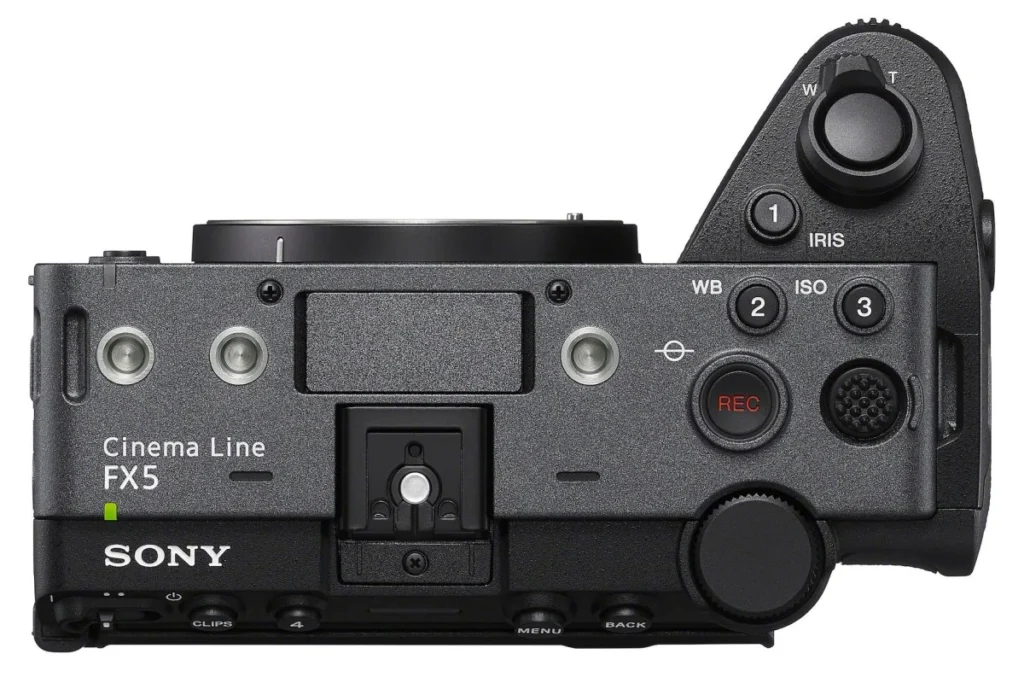
In the ever-evolving landscape of professional cinematography, Sony has long been a vanguard of innovation, bridging the gap between bulky, traditional cinema rigs and the agile, compact form factors demanded by modern creators. Today, the Japanese electronics giant has officially pulled back the curtain on its latest offering: the Sony FX5.
Positioned as the new crown jewel in the compact Cinema Line, the FX5 arrives not as a mere iterative update to the 2021-era FX3, but as a sophisticated, high-performance instrument designed to redefine the possibilities of sensor utilization and workflow efficiency. While the FX3 remains a staple in the market at its current price point, the FX5 arrives with a premium valuation, signaling a clear shift in Sony’s strategy toward professional-grade features for the independent filmmaker.
Main Facts: A New Benchmark for the Cinema Line
The FX5 is built upon the foundation of a brand-new 16.6MP full-frame, fully-stacked Exmor RS CMOS sensor. This hardware is powered by the latest BIONZ XR2 processor, which integrates dedicated AI processing units to handle complex computational tasks that were once reserved for top-tier studio cameras.
Key Performance Specifications:
- Recording Capabilities: The camera currently supports 5K 60fps and 4K 120fps recording. Through a promised firmware update, users will gain access to 5K 120fps and 4K 240fps, pushing the boundaries of high-frame-rate storytelling.
- Open Gate Recording: Perhaps the most significant "game changer" is the introduction of Open Gate recording. By utilizing the full 3:2 aspect ratio of the sensor, creators can capture the entire image circle. This is particularly transformative for vertical social media content, as it allows for massive cropping flexibility without sacrificing resolution.
- 16-bit Internal RAW: For the first time in this form factor, the FX5 permits 16-bit linear RAW recording directly to internal media. Utilizing Sony’s professional X-OCN format—with LT, C1, and C2 codec variants—the camera allows for unparalleled color grading latitude.
- Dual Gain Shooting & Dynamic Range: The FX5 is the first in the FX series to feature Dual Gain Shooting, which merges high and low gain outputs to minimize noise while maximizing dynamic range. Coupled with three base ISO levels (800, 4000, and 12800), the camera claims 15+ stops of dynamic range, ensuring robust performance in challenging lighting conditions.
Chronological Context: The Path from FX3 to FX5
To understand the magnitude of the FX5 launch, one must look at the timeline of Sony’s Cinema Line trajectory. When the Sony FX3 debuted in 2021, it was widely praised for democratizing cinema-quality video. It stripped away the traditional mirrorless "hybrid" facade and leaned into a dedicated cinema interface.
For three years, the FX3 has served as the workhorse for documentary filmmakers, solo creators, and B-cam operators on major film sets. However, as the industry shifted toward higher-resolution demands, vertical-first content strategies, and the necessity for more advanced RAW workflows, the limitations of the FX3’s aging processing architecture became apparent.

The development of the FX5 represents the "second generation" of the compact cinema concept. By choosing to keep the FX3 in the catalog while launching the FX5 at a $4,900 price point, Sony is effectively segmenting its market. The FX3 remains the entry-point into the ecosystem, while the FX5 is clearly aimed at the professional tier—individuals and production houses that require the technical headroom provided by Open Gate and internal 16-bit RAW.
Supporting Data: Technical Architecture and Ergonomics
Beyond the sensor, the FX5 introduces a suite of ergonomic and internal improvements that elevate the user experience.
Enhanced AI and Computational Photography
The inclusion of AI-based human pose estimation is a direct evolution from Sony’s Alpha series but refined for cinema. The system tracks not just the eye or face, but the skeletal structure of the subject, ensuring focus is maintained even when a subject turns away or is partially obscured. Furthermore, the Auto Tracing White Balance—leveraging both visible and IR sensor data—promises to eliminate the "shifting color" issues that often plague outdoor, natural-light production.
Build and Connectivity
The physical design has been significantly overhauled:
- Display: A larger, 3.5-inch touchscreen with 2.76 million dots and full articulation provides a sharper, more reliable monitoring experience.
- Power and Thermal Management: To support the increased heat generated by high-frame-rate 5K recording, the FX5 features an upgraded, highly efficient cooling fan. The transition to the larger NP-SA100 battery series addresses the common complaint of power longevity in the FX3.
- I/O Expansion: The camera includes dual USB ports for simultaneous power delivery and high-speed data transfer, alongside a dedicated wired LAN port for professional networked workflows.
- Modular Monitoring: Eschewing a built-in EVF to keep the footprint compact, Sony has launched the DVF-EL1, a high-fidelity detachable viewfinder designed specifically for this body.
Official Responses and Strategic Positioning
In a statement released alongside the product, Sony emphasized that the FX5 was designed based on "direct feedback from the global community of independent filmmakers."
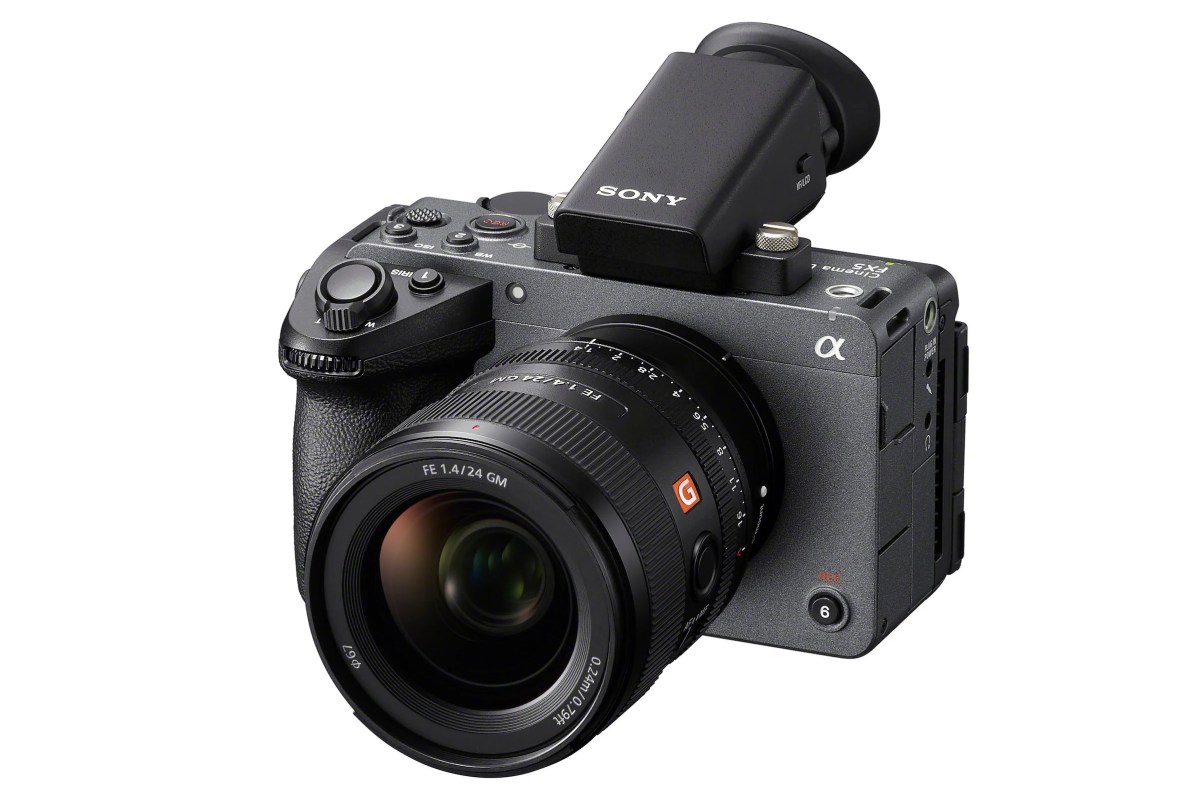
"Our goal was to eliminate the compromises usually associated with compact cinema cameras," said a Sony representative. "By incorporating X-OCN recording, Dual Gain shooting, and the CineAlta menu system, we are providing a tool that fits seamlessly into a professional workflow, whether it is being used as a primary A-camera on a high-budget production or as the centerpiece of a solo creator’s kit."
The decision to include the new menu system from the CineAlta line—the gold standard of Sony’s cinema cameras—is a deliberate move to ensure that operators moving between an FX5 and an FX6 or Venice 2 encounter a familiar, predictable interface. This ecosystem consistency is a critical factor for rental houses and production companies that value rapid deployment and ease of use.
Implications: How the FX5 Shifts the Industry
The arrival of the FX5 sends a ripple through the industry, with implications for both the user and the competition.
1. The Death of the External Recorder?
The ability to record 16-bit internal RAW without an external monitor-recorder like the Atomos Ninja series is a monumental shift. It simplifies the camera rig, reduces the risk of cable failure, and lowers the barrier to entry for high-end cinematic post-production. It essentially turns the FX5 into a "miniature Venice," allowing high-end productions to utilize the camera in tight, inaccessible spaces that were previously impossible for larger sensors.
2. The Open Gate Revolution
Open Gate is no longer a luxury reserved for premium cameras like the Alexa 35 or the Sony Venice. By bringing it to the FX5, Sony is acknowledging the dominance of social media and vertical display formats. Filmmakers can now shoot once and crop for both 16:9 cinema deliverables and 9:16 social deliverables without losing resolution, a massive time-saver in post-production.
3. Market Saturation and Pricing
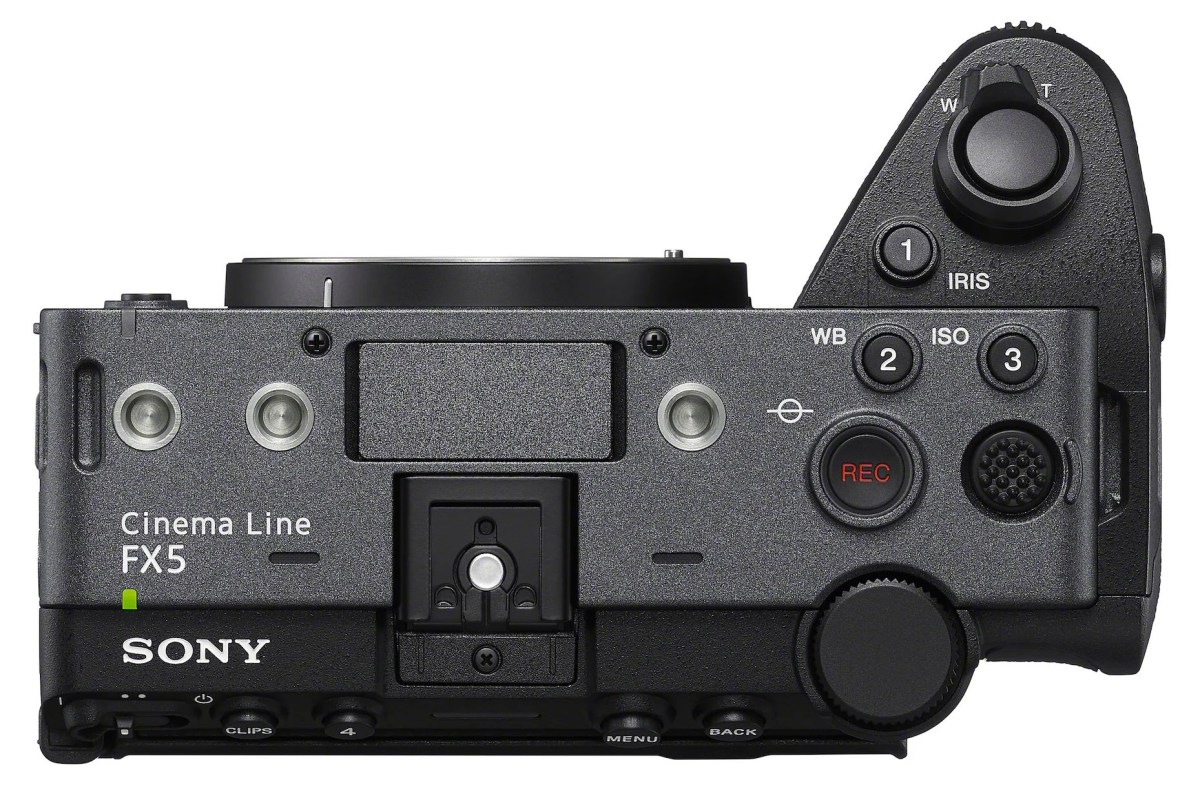
At $4,900 for the body alone (or $5,500 with the XLR-H2 handle), the FX5 occupies a "prosumer-plus" niche. It is expensive enough to deter casual hobbyists, but priced aggressively against competitors in the professional cinema space. It essentially forces other manufacturers to re-evaluate their own "mid-range" cinema offerings. We are likely to see a flurry of firmware updates and price adjustments from rivals as they attempt to compete with the sheer utility of the FX5’s internal RAW and sensor-utilization capabilities.
4. The Future of the Cinema Line
The FX5 proves that Sony is doubling down on the "compact" cinema philosophy. By prioritizing sensor real estate and internal processing over physical size, they are dictating the future of the industry: smaller, faster, and more data-rich.
Final Verdict
The Sony FX5 is a powerhouse. It is a calculated, well-engineered response to the needs of the modern cinematographer. Whether it is the inclusion of the CineAlta menu, the robust cooling system, or the sheer technical achievement of internal 16-bit 5K RAW, the FX5 stands as a testament to Sony’s dominance in the digital imaging sector. For those currently tethered to the FX3, the upgrade path is clear; for those looking to invest in a camera that can handle the next decade of production requirements, the FX5 is the new gold standard.
The camera is set to hit retail shelves in mid-August, and if the early industry reception is any indication, it is poised to become the most sought-after tool in the creator’s arsenal by the end of the year.