The Future of AI and Selling: How One Workflow Closed a $12K Deal
In the high-stakes world of digital marketing, the traditional sales pitch is undergoing a radical evolution. For decades, the standard procedure for agencies and consultants involved a "discovery call," a follow-up proposal, and an agonizing period of waiting to see if the client would bite. However, a new paradigm is emerging—one where the pitch is replaced by the product itself.
AI consultant Etan Polinger recently demonstrated a revolutionary workflow that allowed him to close a $12,000 deal before the first official meeting had even concluded. By leveraging generative AI to research, design, and prototype a client’s request in under four hours, Polinger transformed the sales dynamic from a desperate "please choose me" plea into an irresistible offer of proven value.
The Shift: From Pitching to Proving
The core philosophy behind Polinger’s approach is the elimination of "hope-based" selling. Most service providers spend their time trying to convince prospects that they are the right choice. Polinger argues that this energy is fundamentally flawed. When you arrive at a meeting with a fully functional prototype that mirrors the client’s brand identity, you are no longer selling a service; you are presenting a solution that already works.
"This is a different way of selling than most people are used to," Polinger notes. "It only works because of AI. Before these tools existed, doing this much unpaid preparation for a single prospect would have been completely unreasonable."
By automating the heavy lifting of research and development, a single person can now execute the work that once required a team of designers, researchers, and developers. The implication for the industry is clear: the advantage no longer lies with the firm that has the biggest sales deck, but with the firm that can deliver the fastest, most accurate "wow" moment.
The Anatomy of the $12K Workflow: A Chronology
Polinger’s process is highly systematic, designed to minimize friction while maximizing the impact on the prospect.
1. Defining the "One-Sentence" Outcome
The process begins the moment a lead enters the pipeline. Whether through a social media comment or a direct email, the goal is to distill the prospect’s needs into a singular, unambiguous objective. Polinger uses AI to strip away the technical jargon and focus on the business outcome. By feeding a transcript or message into a Large Language Model (LLM) with a prompt like, "What do they want? Answer in one sentence that anyone can understand," he ensures that he is solving the business problem, not just the technical one.
2. The Three-Tiered Research Pass
Once the goal is identified, Polinger initiates a deep-dive research phase. He splits this into three distinct categories to ensure the AI model maintains deep focus:

- The Prospect: Using transcripts from podcasts, YouTube interviews, and public social media posts, Polinger maps out the prospect’s communication style, specific pain points, and current stances.
- The Company: He analyzes the business model and strategic goals. For larger companies, this involves scraping public documentation and press releases. For smaller, less-documented businesses, he relies on available digital breadcrumbs.
- The Market: By analyzing job postings and competitor activity, he identifies what the company is trying to achieve strategically. This research acts as a safety net; if the prospect decides they don’t want a custom build, Polinger is already equipped to pivot to an out-of-the-box solution, ensuring the deal remains viable regardless of the direction the client chooses.
3. Automated Brand Synthesis
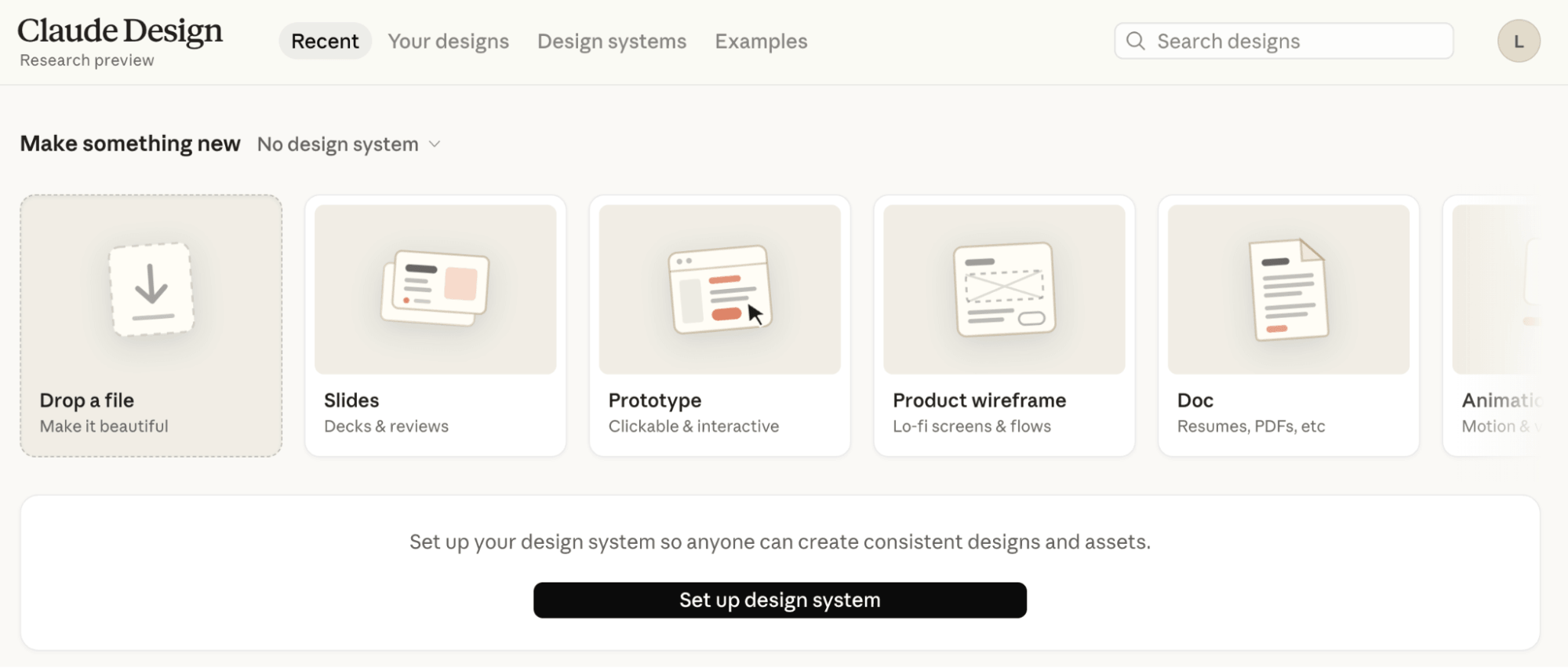
With the research complete, the next hurdle is design. Polinger is not a professional designer, yet he consistently produces high-fidelity assets. He uses browser extensions like WhatFont and ColorZilla to extract the brand identity of the prospect’s existing website. These elements—hex codes, font styles, and logo assets—are fed into an AI design system (such as Claude Design). The result is a comprehensive style guide that functions as a blueprint for all future assets.
4. The "Vibe Coding" Phase
The final step is the creation of the prototype. Using tools like Claude Code or Replit, Polinger instructs the AI to build a functional widget or interface using the newly established brand parameters. This is referred to as "vibe coding"—a process where the human directs the AI toward a functional outcome using natural language, effectively bypassing the need for traditional manual coding.
Supporting Data: Why This Changes the Game
The efficacy of this workflow is grounded in the psychological shift it creates during the initial meeting. When Polinger presents the prototype, the power dynamic in the room undergoes a complete inversion.
In the case of his $12,000 deal, the prospect—who initially reached out with a simple request for a widget—moved from being a skeptical evaluator to a concerned buyer. By the end of the meeting, the client was no longer asking, "Why should I hire you?" but rather, "Do you even have the bandwidth to take us on?"

This "scarcity mindset" is the ultimate goal of the workflow. When the prospect realizes the service provider has already done the work, the perception of risk associated with the purchase drops to near zero.
Implications for the Future of Sales
The implications of this methodology extend far beyond digital marketing. As AI tools become more sophisticated, the barrier to entry for high-value consulting will drop significantly.
The Death of the Generic Pitch
The traditional "deck-heavy" pitch is becoming obsolete. Clients are increasingly wary of vendors who promise results based on case studies from other companies. When a vendor shows up with a prototype tailored specifically to the prospect’s current website and brand, the pitch becomes a demonstration of competence.
The Need for "AI-Fluent" Professionals
For agencies and freelancers, this represents both an opportunity and a threat. Those who fail to integrate AI into their sales cycle will likely find themselves losing business to those who can provide instant, tangible value. The skill set of the modern salesperson is shifting from "persuasion" to "architecting solutions."
Quality over Quantity
One of the most significant takeaways from Polinger’s experience is the ability to be selective. When your close rate increases through high-quality preparation, you are no longer forced to accept every client that comes your way. You can focus on the projects that are the best fit for your business, ultimately leading to higher margins and better client outcomes.
Official Guidance and Best Practices
For those looking to replicate this workflow, experts suggest a few critical best practices:
- Don’t Over-engineer: The AI doesn’t need to be perfect; it needs to be "good enough" to demonstrate potential. Focus on the outcome, not the lines of code.
- Use Portable Workflows: Ensure your AI-generated assets are modular. If a client rejects the custom approach, having a backup plan (like a ready-to-deploy SaaS integration) ensures you don’t walk away empty-handed.
- Leverage Existing Content: Always prioritize the prospect’s own voice. Using their words—found in podcasts or transcripts—in your proposal deck makes the document feel bespoke rather than generated.
Conclusion
The future of sales is not found in more aggressive outreach or better networking; it is found in the ability to bridge the gap between "inquiry" and "value" in the shortest time possible. By using AI to do the heavy lifting of research and prototyping, consultants like Etan Polinger are not just closing deals—they are redefining the expectations of their clients.
As the digital landscape continues to evolve, the businesses that thrive will be those that stop pitching and start building, using the immense capabilities of modern AI to turn every first meeting into a finished product.